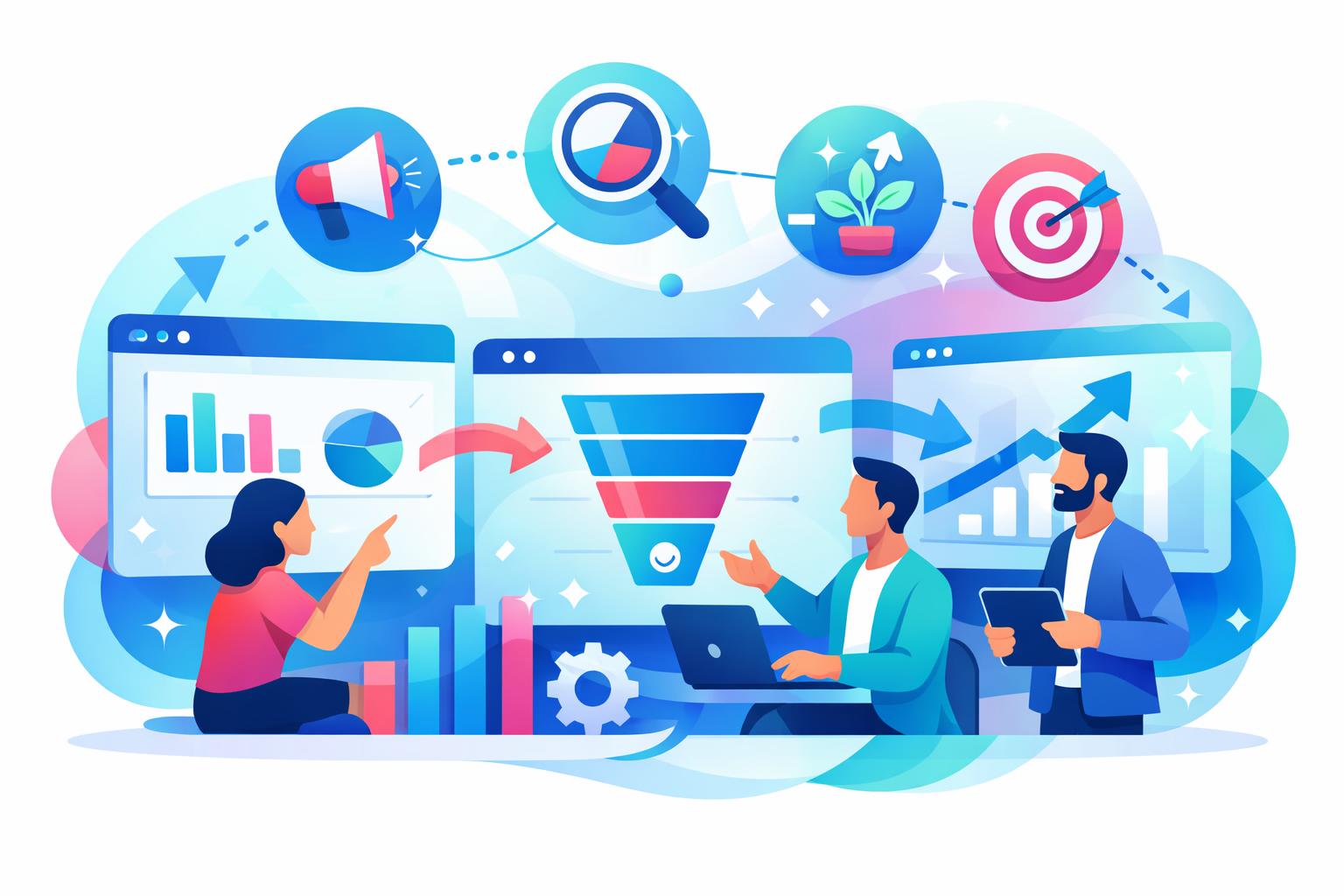
In B2B SaaS marketing, few terms are as misunderstood as demand generation. Many teams confuse it with lead generation, yet they serve very different purposes. If your goal is building a predictable pipeline, improving conversion quality, and freeing your sales team from chasing disinterested leads, understanding demand generation is crucial. This post breaks down what demand generation really means, how it differs from lead generation, and how tools like MainFoundry streamline campaign management, analytics, and conversion tracking to help SaaS teams scale growth efficiently.
Understanding Demand Generation in B2B SaaS
At its core, demand generation is a long-term strategy designed to create awareness and interest before prospects are ready to buy. In the world of SaaS, most decision-makers spend time researching and comparing solutions long before they engage with sales. Demand generation serves as a bridge—educating, informing, and nurturing buyers so they enter the funnel with stronger intent and clearer understanding.
Unlike short-term campaigns focused on immediate conversions, effective demand generation blends awareness, education, and trust across all stages of the buyer journey. It’s about balancing demand creation—where you introduce new problems and solutions—with demand capture—where you engage high-intent buyers when timing aligns. This dual approach allows SaaS companies to avoid erratic spikes from one-off campaigns and instead maintain a consistent pipeline of qualified opportunities.
“Demand generation isn’t about collecting as many leads as possible—it’s about nurturing awareness and trust until the right buyers are ready to act.”
To achieve this, sales and marketing teams must align their data and visibility to understand how engagement evolves over time. Platforms such as MainFoundry make this possible by unifying marketing analytics, attribution, and CRM visibility. When interactions, campaigns, and conversions exist in a single ecosystem, teams can see which efforts truly drive demand instead of relying on disconnected metrics.
Building an Effective Demand Generation Strategy
Lead generation often dominates B2B SaaS thinking, but it only captures a small slice of the total market—those already actively seeking a solution. Demand generation takes a more holistic path, prioritizing early education, consistent engagement, and cross-channel nurturing. Instead of measuring success by form fills or MQLs, demand gen programs gauge how awareness efforts impact downstream outcomes like opportunities, product trial activations, and revenue.
To execute successfully, SaaS marketers rely on a connected mix of channels that work in harmony rather than isolation. Content programs and SEO build early trust; paid campaigns reinforce visibility; and targeted email sequences adapt over time as intent grows. Events, webinars, and product-led experiences such as free trials deepen engagement, encouraging prospects to self-educate before reaching sales. The key is not individual tactics but the ability to track and optimize how they contribute to revenue.
Without reliable conversion tracking and campaign visibility, teams risk optimizing only for clicks or impressions. When tools like MainFoundry connect campaign data, website analytics, and CRM activity under one roof, attribution becomes clear. This allows marketers to identify exactly which engagements, messages, or channels are responsible for generating demand, not just low-quality leads.
Pro Tip: Focus on connecting awareness metrics with sales performance data. This ensures your marketing impact is evaluated through revenue contribution, not vanity KPIs.
Key Takeaways
- Demand generation is a full-funnel strategy that builds long-term interest before prospects are ready to buy.
- Lead generation thrives when supported by early-stage education and awareness efforts.
- Consistent campaign measurement and conversion tracking are essential for aligning marketing with revenue impact.
- Unifying CRM and marketing analytics with tools like MainFoundry helps teams see the full picture across the buyer journey.
Related Reading
Check out How CRM Integration Powers SaaS Marketing Analytics for more insights on connecting marketing and revenue data.