Author: Jørgen Wibe

  • Enhance Sales Clarity with Visual Pipeline CRM

    Enhance Sales Clarity with Visual Pipeline CRM

    Every sales leader has faced the chaos of juggling spreadsheets, emails, and disconnected CRMs. Without a central view, deals slip through the cracks, and forecasting becomes guesswork. That’s where visual pipeline management reshapes the game. By turning complex sales data into a clear, interactive view of every opportunity, teams gain instant clarity on what’s moving, what’s stalled, and what needs attention next. In this post, you’ll discover how visual pipeline tools help streamline deal tracking, enhance accuracy, and boost overall team performance—all while integrating automation and analytics for smarter decision-making.

    Why Visual Pipeline Tools Transform Deal Tracking

    Traditional sales pipelines were once static documents—often outdated minutes after they were created. Modern visual pipeline tools changed that by transforming static data into dynamic, tangible progress. Each deal becomes a card that moves through stages like “Qualified,” “Proposal Sent,” or “Closed,” allowing teams to see progress at a glance. This visual clarity keeps everyone aligned and eliminates the guesswork from deal management.

    Unlike list-based systems, a kanban-style sales pipeline makes activity visible in real time. Managers instantly know which deals are thriving and which are stuck. For example, a cluttered “Proposal” stage may indicate pricing challenges or delayed client responses, while a thin “Negotiation” column signals a follow-up issue. This clarity turns pipeline reviews into targeted strategy sessions rather than tedious data hunts.

    “When data becomes visible and interactive, sales teams stop reacting to numbers and start shaping outcomes.”

    Combined with integrated analytics—like the marketing attribution and performance dashboards offered by MainFoundry—teams can connect visual deal flow with velocity, conversion, and forecasting insights. The result? Teams no longer react to end-of-quarter surprises—they predict outcomes confidently and adjust strategies in real time.

    From Data Overload to Strategic Visibility

    Beyond visualization, the true strength of modern pipelines lies in contextual intelligence. The best tools don’t just show where a deal sits—they reveal what’s actually happening inside it. By automatically logging calls, emails, and meetings, modern CRMs ensure your pipeline mirrors actual customer interactions instead of manual updates. That means sales leaders always see an accurate, real-time representation of deal health.

    For instance, MainFoundry’s CRM integrates with your email and calendar, automatically syncing tasks and communications to the right opportunity. This creates an immediate overview of engagement timelines—allowing managers to spot stalled conversations early and address the root causes before deals are lost. It’s precision selling powered by clean, connected data.

    Furthermore, when CRMs connect with broader data streams—such as finance and subscription tracking—the sales perspective expands to include recurring revenue metrics like MRR and ARR. This integration transforms your pipeline into a live indicator of both immediate and long-term business performance, linking operational execution directly to strategy.

    Pro Tip: Integrate your CRM with analytics and billing tools to maintain one unified source of truth across marketing, finance, and sales operations.

    How Visual Pipelines Boost Sales Team Performance

    The most immediate benefit of a visual pipeline is focus. When every deal is visible, salespeople naturally prioritize the most promising opportunities. This transparency promotes accountability and collaboration—each person knows where to step in and how their actions influence the broader revenue picture.

    Powered by automation and intelligence, tools like MainFoundry’s AI Assistant highlight at-risk opportunities, suggest next steps, and detect deal bottlenecks before they escalate. Instead of sifting through endless data, your team receives timely insights that accelerate response time and improve conversion rates.

    Teams using visual pipeline management report faster sales cycles and clearer forecasting accuracy.

    By assigning probabilities and values to each deal stage, managers can derive data-driven revenue projections and resource plans. This structured visibility supports more precise forecasting and smarter strategic decisions—such as investing in new channels or reinforcing key stages of the pipeline. When paired with integrated workspaces like MainFoundry, every department—sales, marketing, and finance—operates in full alignment around consistent, real-time data.

    Key Takeaways

    • Visibility drives performance: Visual pipelines reveal deal health instantly, helping teams act with focus and clarity.
    • Automation keeps data clean: Integrated systems log activities in real time, ensuring your pipeline always reflects reality.
    • Analytics enhance forecasting: Data-driven insights turn projections into predictable performance outcomes.
    • Integration fosters alignment: A unified platform connecting CRM, marketing, and finance ensures teams operate from one shared truth.
    • MainFoundry simplifies everything: With drag-and-drop boards, AI insights, and cross-functional dashboards, it delivers end-to-end visibility and control.

    Related Reading

    Explore how MainFoundry’s unified business platform helps visualize, automate, and accelerate your entire sales process from prospect to payment.

  • Contact Management Best Practices for Stronger Business Relationships

    Contact Management Best Practices for Stronger Business Relationships

    Strong business relationships begin with smart organization. Effective contact management goes far beyond storing phone numbers—it’s about building a system that drives collaboration, simplifies communication, and nurtures lasting trust. In this article, we’ll explore essential contact management best practices that help you centralize data, standardize processes, and safeguard critical information. You’ll also see how platforms like MainFoundry’s CRM can automate your workflows so every customer interaction counts.

    Centralize and Standardize Contact Data for Consistency

    Many teams face the challenge of scattered contact details—living across emails, spreadsheets, or messaging threads. By centralizing everything in one CRM platform, your team gains a single source of truth accessible across departments. With a comprehensive view of every client interaction, you reduce duplication, avoid miscommunication, and streamline your operational flow from lead acquisition to long-term engagement.

    For example, MainFoundry’s CRM simplifies this by using domain-based company enrichment and two-way Outlook sync. Emails, meeting notes, and events automatically populate in a timeline so that every shared record remains accurate and complete. No more guessing who last spoke to a client or what topics came up in the last call.

    Maintaining data consistency is equally essential. Establish formatting conventions for names, phone numbers, and industry categories. Using dropdown fields, validation rules, and templates can prevent errors and build scalable clarity. In MainFoundry, customizable fields make this process quick and consistent for leads, partners, or clients alike.

    Pro Tip: Schedule quarterly reviews to merge duplicates, verify contact accuracy, and archive inactive records. The aim isn’t perfection—it’s reliability that powers daily decisions.

    Segment, Automate, and Secure Contacts for Real Engagement

    Personalized communication turns good outreach into strong relationships. Through strategic contact segmentation, you can tailor messages for specific audiences—new leads, active customers, or dormant accounts—ensuring relevance and better response rates. For instance, onboarding flow emails should differ in tone and timing from re‑activation campaigns to reflect where each contact is in their journey.

    Automation then scales this personalization. Intelligent tools like MainFoundry’s AI Assistant create follow-up reminders, send scheduled messages, or launch workflows based on specific triggers. You can automatically nudge inactive customers, track renewal dates, and even schedule personalized check-ins—helping teams build deeper, consistent relationships effortlessly.

    “Each automated touchpoint creates continuity—showing customers that you value them beyond transactions.”

    Security remains the cornerstone of successful contact management. Implement role-based access controls, regular audits, and secure cloud backups to protect valuable contact data. With MainFoundry’s security protocols, only authorized users can view or edit sensitive information—maintaining compliance and trust without sacrificing efficiency. Teams also benefit from the Activity Timeline feature, which unifies every call, email, and meeting in one transparent record.

    Key Takeaways

    • Centralize contacts in one CRM to improve collaboration and visibility.
    • Enforce consistent data formats and clean records regularly.
    • Segment audiences to tailor messaging that truly resonates.
    • Automate workflows for timely follow-ups and efficiency.
    • Protect all data with secure user permissions and encrypted storage.

    Adopting these practices transforms contact management into a growth driver rather than an administrative task. By leveraging unified platforms like MainFoundry, businesses can align their CRM, marketing, and finance operations into one cohesive ecosystem that strengthens every customer relationship. Ready to take action? Connect with our team and start building a smarter system that puts relationships first.

  • Automatiseret abonnementsfakturering der styrker din økonomi

    Automatiseret abonnementsfakturering der styrker din økonomi

    Abonnementsfakturering har ændret sig markant i takt med digitaliseringen. Det, der tidligere krævede manuelle opgaver og adskillige Excel-ark, kan nu automatiseres fuldstændigt. For virksomheder med tilbagevendende betalinger er spørgsmålet derfor ikke længere, om man skal automatisere, men hvordan man gør det bedst. Denne artikel hjælper dig med at forstå, hvordan automatisk abonnementsfakturering fungerer, hvilke fordele den giver, og hvilke funktioner du bør kigge efter, når du vælger den rigtige løsning til din virksomhed.

    Hvad indebærer automatiseret abonnementsfakturering?

    Når din abonnementsforretning vokser, bliver manuel fakturering hurtigt uoverskuelig. Automatiseret abonnementsfakturering løser netop dette ved at håndtere hele livscyklussen – fra oprettelse til fornyelse, ændringer og betaling. Et moderne system genererer fakturaer automatisk, sender dem til kunden og registrerer betalinger månedligt, årligt eller efter behov.

    For eksempel kan systemet tilpasse faktureringscyklussen pr. kunde, så nogle faktureres den første i måneden, mens andre fornyer på deres købsdato. Samtidig understøttes flere betalingsformer såsom kreditkort, SEPA direkte debit og PayPal, og der foretages automatisk genopkrævning ved udløb. Det betyder, at du kan koble økonomistyring og betalingsflow sammen, uden manuelt arbejde.

    Integrationer til ERP- og CRM-systemer er afgørende. Ved at forbinde faktureringssystemet med dit kundesystem opnår du fuldt overblik over indtægter og kunderelationer. Med en platform som MainFoundry kan du samle økonomiopgaver, fakturering og kundedata i ét CRM, hvor hver faktura spores i realtid.

    “Automatiseret abonnementsfakturering forvandler fakturering fra gentagne opgaver til et systemstyret flow, der øger stabiliteten i din indtjening.”

    Fordele ved automatiseret abonnementsfakturering

    At implementere et automatisk system handler ikke kun om bekvemmelighed – det har en målbar effekt på driftseffektivitet, kontantflow og kundetilfredshed. Ved at minimere manuelle opgaver reduceres risikoen for fejlfakturering eller forsinkede betalinger, og økonomiteamet kan fokusere på strategiske analyser frem for rutinearbejde.

    Desuden forbedres kontantflow, da betalinger registreres og håndteres rettidigt. Systemet kan automatisk sende påmindelser ved forsinkede betalinger og sikre, at udeståender håndteres hurtigt. Hos virksomheder med tilbagevendende betalinger skaber dette en mere forudsigelig og stabil indtægtskilde.

    Automatiseret fakturering kan reducere administrative timer med op til 70% og samtidig øge betalingernes rettidighed.

    Et andet centralt aspekt er gennemsigtighed. Dashboards viser nøgletal som Monthly Recurring Revenue (MRR), churn og kundeværdi i realtid. I MainFoundrys økonomimodul kan du følge MRR og ARR uden manuelle beregninger – og samtidig få adgang til fuld fakturahistorik, rabatter og momsberegninger.

    Vigtige funktioner at overveje

    • Automatisk opkrævning og betalingshåndtering på faste intervaller med støtte for flere valutaer og skatteregler.
    • Opgraderings- og annulleringslogik, der automatisk justerer kommende fakturaer.
    • Kundeportal, hvor kunder kan se fakturaer eller ændre betalingsoplysninger.
    • Integrationer til ERP og CRM for at samle kundedata og økonomi ét sted.
    • Rapportering i realtid, så du kan følge MRR og churn uden manuelle filer.

    Pro Tip: Vælg et system, der synkroniserer fakturering og CRM i realtid – det sikrer både datasammenhæng og hurtig indsigt i kunders betalingsstatus.

    Konklusion og vigtigste takeaways

    Effektive abonnementsforretninger kører i dag på data i stedet for manuelle processer. Automatiseret abonnementsfakturering reducerer fejl, forbedrer kontantflow og giver fuld transparens på tværs af økonomi og kundedata. Når fakturering kobles direkte sammen med rapportering og CRM som i MainFoundry, bliver fakturering en vækstmotor snarere end en administrativ byrde. Start med at kortlægge din nuværende proces og vurder, hvilke trin der kan automatiseres – du vil hurtigt opdage forskellen i både effektivitet og kundetilfredshed.

    Related Reading

    Læs også om MainFoundrys side om abonnements- og faktureringsstyring for at se, hvordan du kan optimere dine økonomiprocesser yderligere.

  • Smarter Marketing Analytics Dashboards for Growth

    Smarter Marketing Analytics Dashboards for Growth

    In the fast-paced world of digital marketing, making sense of scattered performance data is often the difference between wasted spend and scalable growth. That’s where marketing analytics dashboards step in. By unifying campaign, CRM, and financial insights, they transform how teams interpret performance—bringing clarity, visibility, and data-backed intelligence to every decision. This post explores how these dashboards elevate decision-making, the metrics that matter most, and how MainFoundry’s marketing analytics suite delivers powerful, actionable analytics to drive measurable growth.

    Smarter Decision-Making with Integrated Marketing Analytics Dashboards

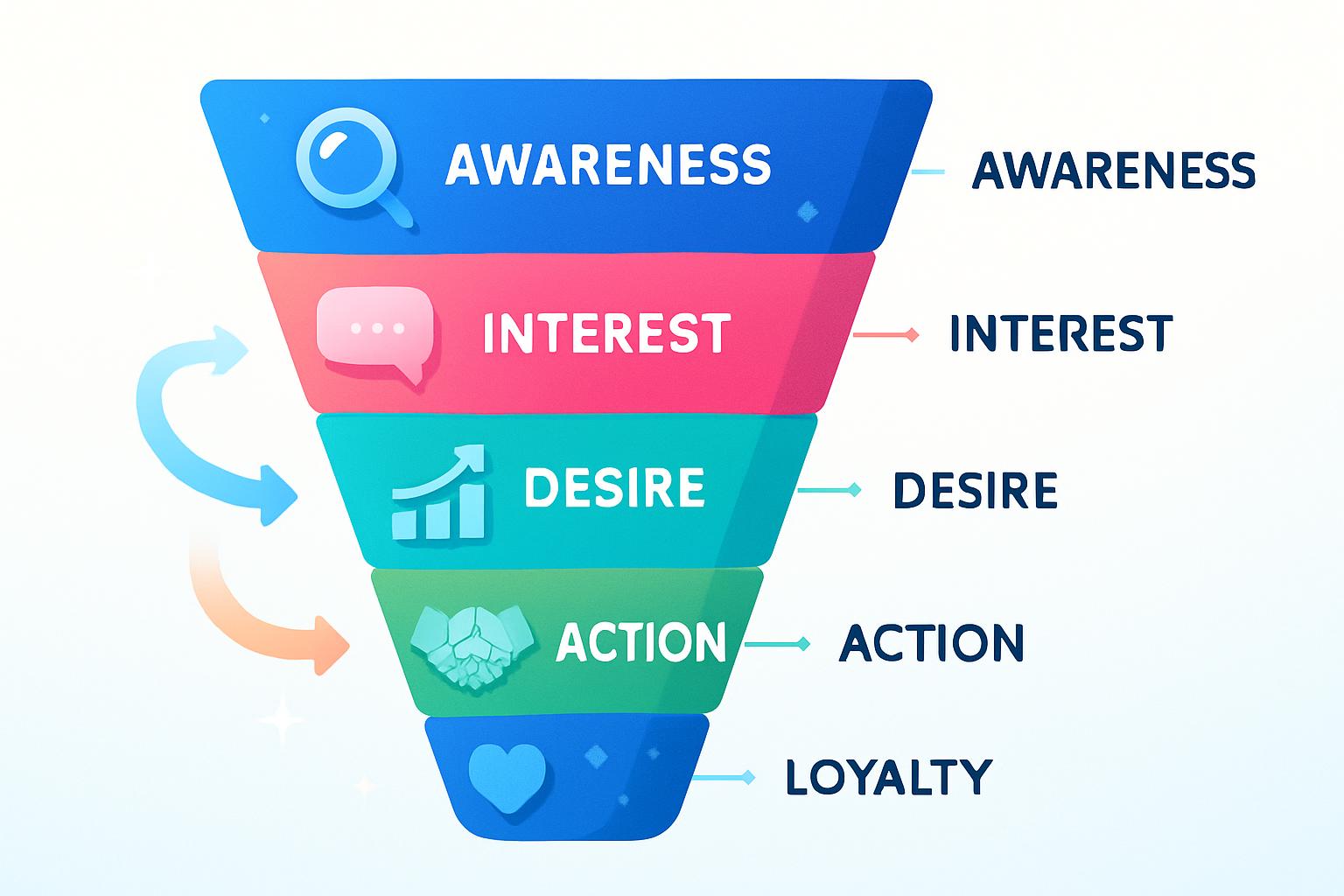
    At their core, marketing analytics dashboards act as your organization’s visual control centers. They aggregate data from platforms such as Google Ads, Meta, and CRM systems, enabling every team member to interpret marketing performance without the friction of manual reporting. This consolidated environment replaces spreadsheets with real-time insights, allowing you to see how awareness, consideration, and conversion metrics link together to form a true customer journey narrative.

    Businesses that implement dashboards correctly experience transparency, efficiency, and reporting confidence. Teams view live campaign pacing, optimize ad spend mid-flight, and align executives around a single, accurate source of truth. Moreover, integrated analytics solutions such as financial management tools allow ROI tracking from spend to revenue, giving marketing leaders a holistic understanding of performance across every customer and channel.

    “The best marketing decisions happen when creative teams and finance leaders work from the same set of numbers—current, validated, and instantly accessible.”

    Transforming Metrics into actionable insights

    An effective marketing dashboard isn’t about packing in as many numbers as possible—it’s about generating clarity and actionability. Start by defining your goals. Are you aiming to improve ROAS, reduce CAC, or increase retention? Then, map your metrics directly to those objectives while avoiding vanity indicators. For awareness, evaluate reach and share of voice; for consideration, track CTR and engagement rates; for conversion, measure CPA and profitability over time.

    Consistency matters as much as data itself. Without a shared definition for metrics like “click-through rate,” cross-channel comparisons lose value. Ensuring unified data taxonomy helps your email, ad, and web reports speak the same analytical language. Visual clarity is also essential—charts, heat maps, and funnel views reveal trends that raw data cannot. Tools such as MainFoundry’s marketing analytics dashboards make this seamless by drawing live campaign and CRM data into one coherent story of performance.

    To avoid overload, cap each dashboard view to five to seven metrics. For instance, an eCommerce business may focus on impressions, CTR, and ROAS by platform, while B2B teams emphasize MQLs, SQLs, and pipeline conversion. By connecting marketing and CRM metrics through MainFoundry’s CRM workspace, these organizations empower streamlined collaboration between marketing, sales, and revenue operations.

    Pro Tip: Keep your dashboards dynamic—schedule periodic reviews to ensure your KPIs align with shifting business priorities and campaign objectives.

    Key Takeaways for Smarter Growth

    • Define clear business objectives before choosing metrics to avoid data clutter.
    • Prioritize actionable insights over vanity metrics for real optimization.
    • Unify marketing, CRM, and financial data for true ROI understanding.
    • Maintain streamlined dashboards—simplicity drives better comprehension.
    • Revisit and refresh analytics regularly; insights lose value when static.

    If you’re ready to unify marketing performance in one powerful place, explore how MainFoundry integrates analytics, CRM, billing, and workspaces into a single hub. Discover how connected dashboards can simplify decisions and accelerate outcomes through MainFoundry’s marketing analytics and attribution platform or schedule your personalized walkthrough at mainfoundry.com/contact.

  • CRM Software Best Practices for Growing Businesses

    CRM Software Best Practices for Growing Businesses

    Selecting the right CRM software is one of the most impactful technology decisions a growing business can make. A CRM system goes far beyond simple contact management—it connects sales, marketing, and customer service into one unified ecosystem. When chosen wisely, it helps teams automate tasks, strengthen relationships, and gain clear visibility into every stage of the customer journey. This guide shows you how to choose the best CRM for your business by defining clear goals, evaluating must-have features, comparing solutions, and planning a smooth implementation.

    Defining Goals Before Choosing CRM Software

    Before comparing platforms, focus on identifying what you truly need your CRM to accomplish. Every organization has different priorities—some seek to improve sales efficiency while others want better visibility into marketing or service workflows. Engage the teams that will use the system daily so that the platform ultimately solves real pain points instead of adding complexity.

    Evaluate your current setup in detail. Are missed follow-ups common, or is data scattered across tools? Document these inefficiencies to ensure the new CRM provides tangible improvements. For a small business, affordability and scalability matter most, while larger organizations need advanced analytics and seamless integrations with existing systems. Modern CRMs such as MainFoundry’s unified CRM and marketing platform offer tailored workflows by industry and company size, helping organizations align the system naturally with the way they operate.

    “By defining goals first, businesses avoid costly mismatches and ensure their CRM truly drives efficiency and collaboration.”

    Evaluating CRM Features and Scalability

    A high-performing CRM does much more than store contact details—it enhances productivity and customer experiences. Look for functionality that supports how your team works daily, including automation for repetitive tasks and intelligent analytics that identify trends faster than manual reviews. Choosing the right features ensures your CRM becomes an asset instead of just another tool.

    • Unified contact management with complete activity histories
    • Workflow automation to replace repetitive manual tasks
    • Reporting dashboards with real-time revenue tracking
    • Flexible integrations with email, calendars, and marketing tools
    • AI-driven insights that surface opportunities early
    • Secure infrastructure suited to your data privacy needs

    Platforms like MainFoundry’s CRM extend these capabilities with optional modules such as finance management and marketing analytics. This unified approach enables teams to track every conversion from campaign launch to invoice completion. When comparing platforms, evaluate scalability and deployment flexibility—cloud solutions often deliver faster setups and expansion potential.

    Pro Tip: Choose a CRM that scales effortlessly as your team and data grow, ensuring today’s solution doesn’t restrict tomorrow’s ambitions.

    From Shortlist to Implementation Success

    After identifying essential features, narrow your CRM choice to a shortlist of three to five vendors. Assess usability, pricing, and support—an intuitive platform can dramatically improve adoption rates. Conduct demos or free trials to see how the interface fits your team’s daily workflows. Without hands-on testing, even feature-rich CRMs can fail to deliver real value.

    Strong onboarding and migration support matter. Vendors that offer guided setup and training often shorten the time from purchase to productivity. Tools such as MainFoundry’s AI Assistant provide interactive setup walkthroughs that help teams learn by doing. Implementation should start with clear objectives, accurate data migration, and workflow customization that mirrors real processes.

    Continuous improvement is equally essential. Track where automation boosts efficiency or analytics uncover new insights. Because unified platforms connect CRM data with areas like project tracking or billing automation, they enable sustained optimization and alignment across departments. Learn more about MainFoundry’s security features to understand how data integrity supports long-term success.

    Key Takeaways

    • Define specific business goals and user needs before exploring CRM options.
    • Evaluate critical features like automation, integrations, analytics, and security.
    • Test usability through demos and dedicate time for proper onboarding.
    • Ensure scalability so the CRM adapts as your operations expand.
    • Choose vendors with strong support and robust implementation resources.

    Related Reading

    Explore how MainFoundry’s intelligent platform helps businesses unify sales, marketing, and finance operations in one streamlined environment.

  • AI-analyse der gør data til strategi

    AI-analyse der gør data til strategi

    Virksomheder drukner i data – men mangler ofte evnen til at omsætte det til håndgribelige resultater. Her bliver AI-analyse afgørende. Ved at kombinere kunstig intelligens med moderne dataanalyse kan organisationer ikke blot automatisere rapportering, men også forudse trends og handle hurtigere. I dette indlæg dykker vi ned i, hvordan AI-analyse hjælper virksomheder med at gå fra komplekse datasæt til handlingsrettet strategi, hvordan platforme som MainFoundry udnytter potentialet, og hvordan fremtidens beslutningstagning bliver mere intelligent, præcis og agil.

    AI-analyse: Fra data til handling

    Virksomheder genererer dagligt enorme mængder data via salgsplatforme, marketingkampagner, økonomiske systemer og kundeservicekanaler. Udfordringen handler sjældent om at have for lidt data, men om at kunne udtrække meningsfulde indsigter hurtigt nok til at påvirke beslutninger. AI-analyse gør netop dette muligt ved at automatisere komplekse processer, opdage mønstre og omsætte dem til realtidsindsigter, der giver forspring.

    I stedet for blot at generere rapporter, transformerer AI-analyse ustrukturerede data til strategiske fordele. Maskinlæring bruges til at overvåge performance og reagere proaktivt på ændringer. Resultatet er øjeblikkelige, visuelle dashboards, som afslører vækstmuligheder. Platforme som MainFoundry integrerer allerede AI-drevne indsigter direkte i CRM- og marketingmoduler, så salgs- og marketingteams kan handle på live-data uden at skifte system.

    “AI-analyse handler ikke kun om datafortolkning – det handler om at skabe handlingsrettet intelligens, der kan omsættes direkte til resultater.”

    Ved at automatisere opgaver som KPI-overvågning og finansiel modellering kan AI reducere arbejdstid fra uger til timer. Organisationer får dermed et objektivt beslutningsgrundlag og mindsker risikoen for menneskelig bias. Marketing analytics og attribueringsmodeller kan desuden sammenkobles med AI for at identificere, hvilke kampagner der rent faktisk skaber værdi.

    I økonomistyring kan AI-algoritmer forudsige udgifter, justere investeringer og foreslå optimeringer i realtid. MainFoundrys økonomifunktioner binder AI direkte sammen med cashflow-analyse, så teams kan reagere på afvigelser, før de bliver kritiske.

    Fremtidens beslutningstagning med AI og BI

    Når AI kombineres med Business Intelligence (BI), opstår en ny form for strategisk kontrol, hvor BI organiserer data, mens AI fortolker dem og foreslår handlinger. Denne kombination gør organisationer mere responsive og reducerer reaktiv beslutningstagning. Onboarding af nye medarbejdere bliver samtidig lettere, da systemet selv forklarer tendenser og historik i data.

    Fremadrettet vil AI være centralt for virksomheders performance management. IoT-integrerede prognoser, automatiseret datasikkerhed og blockchain-validering vil betyde, at virksomheder kan stole fuldt ud på deres modeller. Hos MainFoundry realiseres disse trends via intelligente workspaces, hvor teams samarbejder i realtid og handler på de samme AI-genererede indsigter.

    AI-analyse forventes at være fuldt integreret i BI-systemer på tværs af brancher inden 2026.

    Virksomheder som Energent og NORRIQ har allerede vist, at AI kan tredoble udbyttet i analyseafdelinger. Energent anvender algoritmer, der automatisk konverterer rådata til dashboards, mens NORRIQ kobler AI med klassisk BI for at give realtidsvisualisering på tværs af systemer. Det samme potentiale bliver udnyttet gennem MainFoundrys AI Assistent, hvor brugere kan stille spørgsmål som “Vis mig omsætningsudviklingen for SaaS-kunder de sidste to kvartaler” og få svar i både tal og grafer.

    Key Takeaways

    • AI-analyse forvandler data til handlingsrettet viden og reducerer manuel rapportering.
    • Sammenkoblingen af AI og BI giver hurtigere, mere præcise beslutninger.
    • Platforme som MainFoundry muliggør realtidsindsigter direkte i CRM, marketing og økonomi.
    • AI bliver en central drivkraft i digital transformation frem mod 2026.

    Related Reading

    Læs også om AI i marketinganalyse for at opdage, hvordan maskinlæring løfter kunderejsen og øger ROI.

  • AI Workflow Automation for Smarter Business Operations

    AI Workflow Automation for Smarter Business Operations

    Artificial intelligence has evolved from being a supportive tool into a central force driving how modern businesses operate. As companies face increasing complexity and data-driven demands, AI workflow automation emerges as a transformative solution that merges intelligence, adaptability, and speed into daily operations. This article explores how AI workflows redefine business automation, why they matter across departments, and how platforms like MainFoundry enable teams to unify systems, decisions, and automation logic for smarter, more efficient collaboration.

    How AI Workflows Automate Complex Business Processes

    At the heart of AI workflow automation lies a shift from rigid, rule-based operations to intelligent decision-making systems. Traditional workflows depend on predefined logic, while AI-powered processes learn from historical patterns, predict likely outcomes, and adjust in real time. This capability means that repetitive yet critical decisions—such as approving transactions or processing support tickets—become faster and smarter over time.

    Machine learning models refine themselves continuously as they encounter more data, allowing workflows to evolve with business needs. For example, an AI system that approves thousands of invoices can instantly flag anomalies based on learned behavior. Similarly, natural language processing (NLP) enables systems to interpret written or spoken language, categorize emails, and generate responses automatically, saving significant manual effort.

    These intelligent agents can integrate with existing business process management (BPM) or robotic process automation (RPA) systems, forming an adaptive network where AI handles the complex computation and employees focus on strategy. This blended autonomy results not just in faster operations but in genuinely smarter, data-informed execution across departments.

    “AI workflows don’t just automate tasks—they evolve with every decision, making business operations self-improving and insight-driven.”

    One platform leading this evolution is MainFoundry’s AI Platform. Its AI Assistant streamlines reporting, automates task recommendations based on workspace context, and retrieves real-time insights from CRM or marketing data sources. When paired with custom workspaces, teams can create tailored automation flows that manage attachments, track updates, and even generate financial documents — all in one environment.

    Where AI Workflow Automation Delivers the Biggest Impact

    AI-driven automation is proving transformative across core business functions. In finance, workflows automatically categorize expenses, process invoices, and detect fraudulent patterns in real time—tasks that previously required extensive manual verification. In IT and operations, predictive algorithms monitor performance anomalies and even trigger responses before issues escalate, minimizing downtime and cost.

    Supply chains are also benefiting from predictive modeling. By correlating demand trends with external variables such as weather or logistics data, AI anticipates reordering needs and optimizes resource allocation. Customer support operations leverage NLP workflows to route requests, summarize interactions, and schedule timely follow-ups — ensuring customers receive consistent, personalized experiences at scale.

    The real power of AI workflows lies in their dynamic adaptability. Instead of applying static rules, systems learn from organizational data to scale intelligently with changing workloads and business priorities. This means your operations stay synchronized with actual conditions, improving decision-making speed and accuracy.

    AI workflows help businesses reduce manual process time by up to 40% while unlocking new levels of precision and scalability.

    Through cohesive CRM integration, MainFoundry enables AI workflows that unify customer, financial, and marketing data. This integration allows AI agents to detect signs like declining engagement, trigger nurturing campaigns, and automatically assign tasks to sales teams—all creating a connected feedback loop that drives strategic continuity.

    Key Takeaways

    Embracing AI workflows is no longer optional—it’s a strategic necessity for companies aiming to stay agile, intelligent, and competitive. When integrated thoughtfully, automation becomes a force multiplier that enhances human decision-making rather than replacing it. As AI continues to evolve, the potential for streamlined collaboration and smart adaptability will only grow.

    • AI workflow automation learns from data to make proactive decisions, not just follow scripts.
    • It increases efficiency by automating routine tasks and empowering teams to focus on strategy.
    • Continuous learning enables scalable and adaptive processes that evolve with business needs.
    • Platforms like MainFoundry unify AI capabilities across finance, CRM, and marketing for cohesive results.

    Ready to move from fixed automation to adaptive, intelligent workflows? Visit MainFoundry or connect with the team here to start designing your first intelligent workflow system.

  • Guide til AI i dansk erhvervsliv

    Guide til AI i dansk erhvervsliv

    Kunstig intelligens (AI) har på få år bevæget sig fra teoretiske diskussioner til konkrete forretningsfordele for danske virksomheder. I dag bruger 28% af danske organisationer AI – næsten dobbelt så mange som det europæiske gennemsnit – og investeringerne forventes at stige markant i 2025. Denne guide gennemgår, hvordan du som virksomhedsejer kan implementere AI effektivt og ansvarligt, hvilke lovgivningsmæssige krav der gælder, og hvordan fremtidens strategi bliver afgørende for konkurrenceevnen.

    Hvordan danske virksomheder implementerer kunstig intelligens

    Danmark er blandt de førende europæiske lande, når det gælder implementering af AI-løsninger. I 2023 anvendte blot 15% af virksomhederne kunstig intelligens, men tallet steg til 28% i 2024 – og blandt store organisationer med over 250 ansatte er anvendelsen nu over 50%. Den hurtige vækst skyldes, at AI-løsninger giver dokumenterede resultater: højere effektivitet, hurtigere beslutninger og bedre udnyttelse af data.

    Den mest udbredte implementeringsmetode starter med pilotprojekter, der afprøver teknologien i lille skala, før den udrulles bredt. Dansk Standard har udviklet en femtrinsmodel, hvor man kortlægger behov, definerer mål og bygger kompetencer på tværs af afdelinger. Digitaliseringsstyrelsen anbefaler desuden klare interne retningslinjer, så alle medarbejdere forstår, hvordan AI skal anvendes og dokumenteres.

    “De mest succesfulde AI-implementeringer kombinerer teknologi, menneskelig indsigt og klare processer – ikke bare softwareinstallation.”

    Virksomheder, der lykkes bedst, prioriterer datakvalitet, kontinuerlig kompetenceudvikling og samarbejde med eksperter inden for teknologi og jura. Platforme som MainFoundry giver mulighed for at integrere AI direkte i CRM-, marketing- og økonomimoduler, så data kan analyseres samlet og beslutninger træffes hurtigere.

    AI bruges allerede til kundeservice, finans, marketing og produktion. Virksomheder med AI-chatbots har op til 50% lavere driftsomkostninger, mens automatiseret fakturahåndtering kan frigøre 70% af den manuelle tid. I marketing anvendes maskinlæring til kampagneanalyse og churn prediction, som optimerer kundeloyalitet og ROI via AI-drevet marketing analytics.

    Ansvarlig brug, lovgivning og fremtidsperspektiver

    Selv om Danmark har et stærkt udgangspunkt, følger der et stort ansvar med udbredelsen af kunstig intelligens. Den kommende EU AI Act kræver dokumentation for anvendelsen af AI, gennemsigtighed i beslutningsgrundlag og risikovurdering for systemer, der påvirker mennesker direkte. Danmark har allerede tilpasset lovgivningen med en national standard, der gør compliance til en integreret del af implementeringsprocessen.

    Manglende datakvalitet, uklare kontrakter og hurtige implementeringer uden governance er blandt de største risici. Derfor anbefales det, at virksomheder udvikler tydelige politikker for databehandling, etik og gennemsigtighed. Moderne forretningsplatforme som MainFoundry Security tilbyder GDPR-kompatible rammer, hvor AI-løsninger implementeres sikkert og under fuld kontrol.

    EU sigter mod, at 75% af virksomheder med over 10 ansatte anvender AI, cloud eller dataanalyse inden 2030.

    Initiativer som regeringens *Gefion*-program giver adgang til avanceret computerkraft, særligt til grønne og kvanteteknologiske projekter. Sammenlagt betyder det, at AI snart bliver lige så grundlæggende for erhvervslivet som e-mail og CRM er i dag. Fremtiden tilhører de virksomheder, der formår at balancere innovation med ansvarlighed.

    Centrale pointer og næste skridt

    • Start småt med veldefinerede pilotprojekter og skalér gradvist efter datagrundlag.
    • Sammenkobl teknologi, kultur og kompetencer for at skabe reelle resultater.
    • Formaliser retningslinjer for etik, datasikkerhed og ansvarlig brug af AI.
    • Integrér AI i platforme som MainFoundry for at samle analyse, økonomi og automatisering i ét miljø.
    • Brug compliance som konkurrencefordel – ansvarlighed bliver virksomhedens nye styrkeposition.

    Relateret læsning

    Læs mere om den AI-drevne forretningsplatform på mainfoundry.com og få indsigt i, hvordan danske virksomheder accelererer digital innovation med ansvarlig AI.

  • How Conversational AI Enhances Customer Engagement

    How Conversational AI Enhances Customer Engagement

    Customer expectations are higher than ever. People now expect instant responses, consistent brand tone, and personalized service in every interaction. Enter conversational AI—a breakthrough in customer communication that replicates natural, human-like dialogue at scale. This post explores how AI-powered conversations are transforming customer experiences, driving satisfaction, and helping businesses deliver seamless, intelligent engagement across every channel. You’ll discover how platforms like MainFoundry’s AI Assistant make this future accessible for every team.

    How Conversational AI Transforms Customer Experience

    At its foundation, conversational AI blends natural language processing with contextual data to create meaning from every interaction. It doesn’t just match keywords—it interprets intent, emotion, and sentiment. When connected with your CRM system, it can understand a customer’s previous purchases, preferences, and support history, responding in a way that feels personal rather than automated.

    Unlike traditional chatbots that follow static scripts, advanced AI models adjust tone and phrasing dynamically. For example, if a repeat customer typically interacts through social media, the AI maintains that same brand voice across channels—chat, SMS, or email. This consistency ensures a unified experience no matter how someone reaches out. By merging this conversational layer with marketing analytics, businesses can deliver timely promotions and product suggestions automatically, all without an agent’s intervention.

    MainFoundry’s AI Assistant extends these capabilities by pulling insights from CRM, marketing, and finance systems. When customers inquire about subscription renewals or invoices, the AI sources live data and responds instantly. If escalation is needed, it transfers the full conversation context to a human agent—no lost details, no repeated questions, just a seamless handoff.

    “Conversational AI bridges the gap between automation and authentic engagement, enabling real-time, human-like service at infinite scale.”

    The measurable outcomes are hard to ignore. Businesses deploying this technology report reduced resolution times, fewer abandoned chats, and stronger satisfaction scores. These numbers highlight a simple truth: when customers are understood instantly, they stay engaged longer and trust grows organically.

    Implementing AI Conversations That Actually Work

    Successful AI-powered conversations come down to intelligent integration. It’s not about adding a chat widget—it’s about connecting communication layers across CRM, billing, and marketing systems so that every message benefits from shared insight. A unified platform like MainFoundry streamlines this process, allowing AI to learn continuously from each interaction while providing agents with full visibility into customer history.

    Context matters. When the system detects frustration, it triggers proactive support escalation. When it identifies a scheduling request, it can access availability directly within custom workspaces. This seamless orchestration frees human representatives from routine updates, allowing them to focus on strategy, retention, and relationship-building.

    Pro Tip: Build context-aware interactions by linking your AI tools to existing data systems. True intelligence emerges not from clever replies but from meaningful knowledge integration.

    Additionally, multilingual capabilities extend support worldwide. Whether the conversation happens over chat, phone, or email, complete communication timelines stay synchronized. That continuity ensures each new conversation begins informed, not from scratch. The result is elevated consistency that keeps customer experience aligned with brand promise at every touchpoint.

    Forward-looking brands are also turning conversational AI into a proactive engagement tool. For example, AI can remind customers of renewals, interpret browsing data to suggest upgrades, or send personalized offers derived from financial insights. These capabilities transform support centers into relationship engines—where anticipation replaces reaction, and engagement leads directly to growth.

    Key Takeaways

    • Conversational AI enables always-on, human-like engagement that scales globally.
    • Integrations with CRM, finance, and marketing systems provide personalized accuracy and context.
    • Automation reduces repetitive workloads, empowering teams to focus on value-driven interactions.
    • Continuous learning loops refine responses, optimize data use, and strengthen retention.
    • Solutions like MainFoundry’s AI platform make advanced conversational intelligence accessible for any organization.

    Related Reading

    Check out How MainFoundry’s AI Assistant Powers Intelligent Workflows for more insights on integrating AI in customer operations.

    Ready to see AI in action? Visit MainFoundry or reach out through mainfoundry.com/contact to explore how conversational AI can elevate your customer experience strategy.

  • AI rapportering giver hurtigere forretningsindsigt

    AI rapportering giver hurtigere forretningsindsigt

    I takt med at datamængder og beslutningshastighed eksploderer, bliver AI‑rapportering et centralt værktøj for moderne virksomheder, der ønsker mere præcise og proaktive indsigter. Ved at automatisere dataindsamling og analyse hjælper kunstig intelligens med at erstatte manuelle processer og levere klare konklusioner i realtid. Denne artikel udforsker, hvordan AI‑rapportering fungerer, de fordele den skaber, og hvordan du praktisk kan implementere den i din organisation for at træffe hurtigere og mere datadrevne beslutninger.

    Hvordan AI skaber indsigt gennem automatiseret rapportering

    Kernen i AI‑rapportering ligger i dens evne til at indsamle, analysere og præsentere data kontinuerligt uden behov for manuelt input. Moderne systemer kan kobles direkte til CRM’er, marketingværktøjer og økonomisystemer, hvilket giver rapporter, der altid bygger på de nyeste tal. I stedet for månedlige statusopdateringer får ledere nu realtids‑dashboards, der afslører ændringer i pipeline, budget eller projektfremdrift med det samme.

    Et centralt element er prediktiv analyse, hvor AI anvender historiske data til at forudsige fremtidige tendenser. For eksempel kan den vise, hvordan salget forventes at udvikle sig næste kvartal, eller om specifikke projekter er i risiko for at overskride deadlines. Dermed går rapportering fra at være bagudskuende til at støtte fremadrettede beslutninger, som styrker handlekraften på tværs af organisationen.

    Derudover spiller naturlig sprog­generering (NLG) en stigende rolle. I stedet for tørre grafer leverer AI‑systemer forklarende tekst, der gør komplekse data forståelige for alle i virksomheden. Rapporterne viser ikke kun resultaterne, men også, hvorfor de opstår. Dette fremmer en mere datadreven dialog mellem afdelinger – selv for dem uden teknisk baggrund.

    “AI‑rapportering gør det muligt at reagere på ændringer i forretningen, før de bliver kritiske – og at omsætte data til beslutninger i realtid.”

    På platforme som MainFoundry understøttes denne proces ved, at AI analyserer CRM‑ og marketingdata i baggrunden. Det resulterer i handlingsorienterede rapporter, hvor datapunkter fra økonomi, marketing og salg samles i ét visuelt miljø – uden at brugeren behøver generere rapporter manuelt.

    Fra data til handling: Praktiske anvendelser af AI‑rapportering

    AI‑rapportering kan fuldautomatisere hele rapporteringsprocessen – fra indsamling og analyse til opsummering og distribution. Et stort potentiale ligger i personaliserede rapporter, hvor AI lærer, hvilke data der er mest relevante for den enkelte bruger. En salgschef får automatisk pipeline‑analyser, mens marketingdirektøren modtager løbende overblik over kampagne‑ROI, alt sammen uden manuel anmodning.

    Et konkret eksempel er automatiseret klientrapportering, hvor AI samler data fra projektstyrings‑ og økonomisystemer for at generere statusrapporter til kunder. Systemet formaterer tekst og grafer professionelt og udsender dem automatisk som e‑mail eller PDF, hvilket frigør tid og sikrer konsistens. Denne tilgang reducerer både fejl og administrative byrder.

    Et voksende område er bæredygtigheds‑ og ESG‑rapportering, hvor generativ AI sammenstiller data om miljøpåvirkning, energiforbrug og sociale faktorer. Dermed kan virksomheder dokumentere fremgang og leve op til stigende rapporteringskrav. Med interaktive dashboards bliver det desuden muligt at stille spørgsmål i naturligt sprog og få øjeblikkelige, datadrevne svar fra AI‑systemet.

    Pro Tip: Med MainFoundrys AI Assistent kan du spørge: “Vis mig omsætningsvækst de sidste tre måneder sammenlignet med marketingudgifter,” og få både visuel graf og tekstforklaring genereret automatisk.

    I praksis betyder det en transformation fra statiske Excel‑ark til levende datamodeller, hvor AI kontinuerligt opdaterer og kommenterer udviklingen. Resultatet er en ny form for interaktiv rapportering, der ikke bare informerer, men direkte driver handling og strategiske beslutninger.

    De vigtigste fordele og næste skridt

    • Betydelig tidsbesparelse ved automatisering af dataindsamling og rapportering
    • Højere præcision gennem reduktion af menneskelige fejl og konsistent databehandling
    • Proaktiv beslutningstagning baseret på realtids‑ og forudsigende data
    • Mere nuancerede indsigter via mønstergenkendelse og fremtidig performanceanalyse
    • Større transparens i kommunikationen med både interne og eksterne interessenter

    Udviklingen inden for sprogbehandling og datavisualisering vil fortsætte med at gøre rapporter mere flydende og interaktive. Fremtidens integration med VR og AR kan endda gøre det muligt at “gå rundt” i virksomhedens performance‑data og opleve information på helt nye måder. For organisationer, der ønsker at samle al rapportering ét sted, kan en platform med integreret AI, som MainFoundry, være et effektivt udgangspunkt for mere intelligente beslutninger.

    Related Reading

    Læs mere i AI Data Integration: Fra fragmenterede systemer til samlet beslutningsgrundlag for dybere forståelse af, hvordan integreret AI‑analyse kan forstærke din rapportering.