Category: Features

  • Build a Scalable Startup Tech Stack with Smart Tools

    Build a Scalable Startup Tech Stack with Smart Tools

    Launching a startup today requires far more than a great idea—it demands a well-structured, scalable system. The right startup tools help turn entrepreneurial energy into measurable growth by streamlining collaboration, automation, and data management. This guide explores the core categories of essential startup software, from CRM and project management to financial tracking and AI-driven workflows. You’ll also learn why adopting unified platforms like MainFoundry can both scale your tech stack and preserve focus as you grow.

    Essential Startup Tools That Power Growth

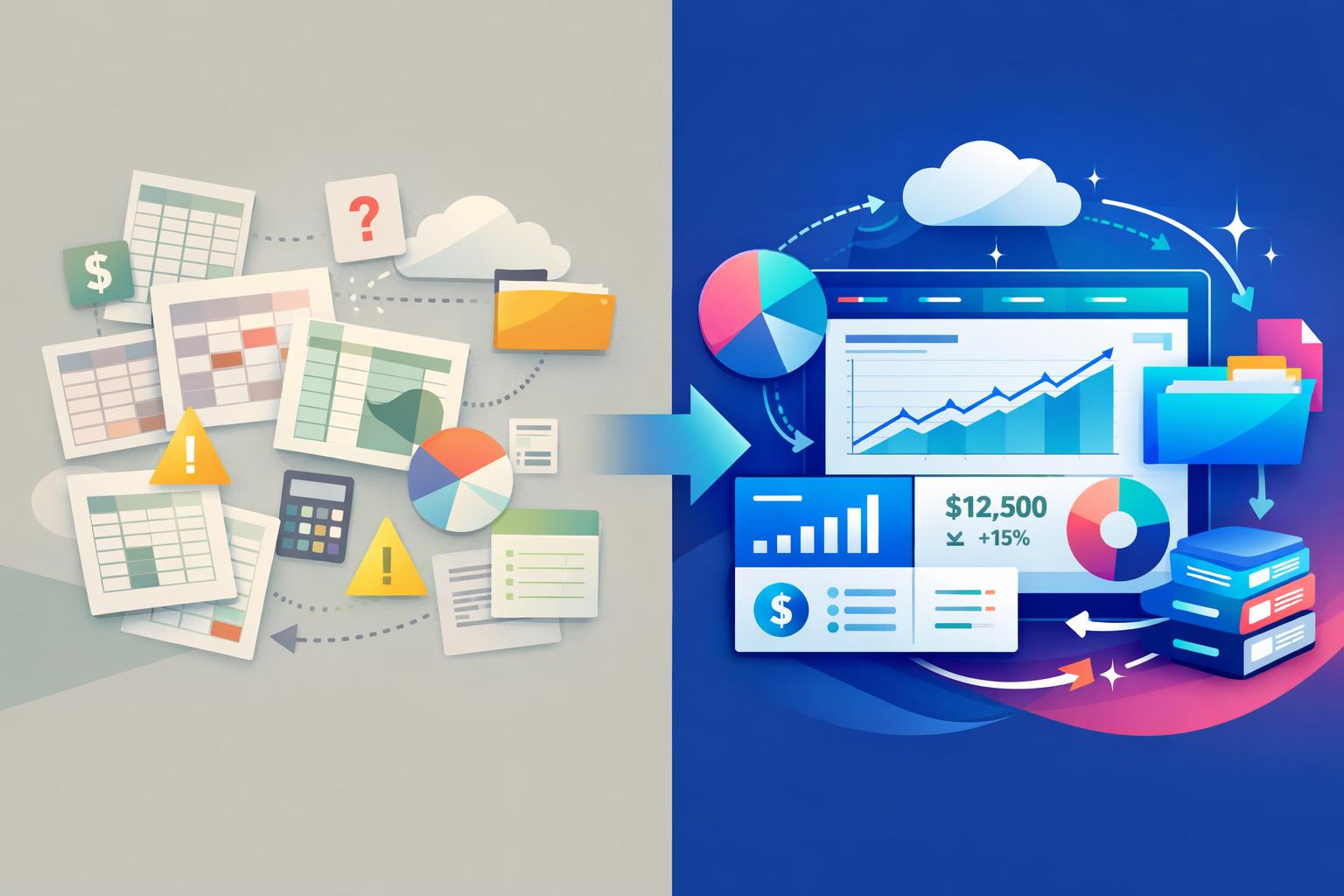
    Modern startups thrive on adaptability and efficiency. Choosing software that accelerates collaboration, boosts productivity, and manages core operations can mean the difference between smooth growth and costly setbacks. Project management tools such as Trello, Asana, or ClickUp help teams stay aligned by organizing workflows and tracking progress visually. However, as complexity increases, relying on separate systems can fragment data.

    Platforms like MainFoundry’s Workspaces resolve this by integrating task boards, real-time chat, and CRM data in one unified environment. Communication tools including Slack or Microsoft Teams have become staples for remote collaboration, though they can scatter crucial data across channels. By using systems with embedded CRM features such as MainFoundry’s CRM module, your conversations, deals, and customer profiles remain connected and contextual.

    “Too many tools create friction. Unified systems replace fragmentation with flow.”

    Automation saves precious time in the early stages. No-code platforms like Activepieces or Zapier allow startups to link apps and trigger tasks, but advanced solutions embed automation directly. MainFoundry’s AI Platform unifies process automation—linking lead capture, reporting, and internal updates through workflow intelligence without the need for multiple subscriptions.

    For customer growth, CRM systems serve as the backbone of every startup’s relationship strategy. While popular options like HubSpot and Zoho CRM handle early-stage prospect tracking, integrated CRMs unlock a 360° view of each contact by connecting notes, emails, and documents automatically. On the financial front, tools such as QuickBooks or Zoho Books handle accounting but may require migration as needs expand. Solutions like MainFoundry Billing consolidate invoicing, MRR visibility, and tax automation within the same dashboard.

    Marketing and design tools like Canva or Mailchimp help young teams project professionalism, though siloed campaigns obscure ROI tracking. By contrast, MainFoundry’s Marketing suite integrates attribution analysis directly with CRM data, showing exactly which channels influence conversions. Complementing this, AI tools—from ChatGPT to Grammarly—streamline communication and planning, while MainFoundry’s AI Assistant brings this intelligence directly into the operating workflow for real-time insights.

    How to Build and Combine Your Startup Stack Wisely

    Not every startup needs every trending tool. What matters is alignment with your current stage and future scalability. Mapping out workflows before subscribing to new services prevents redundancy and helps identify opportunities for automation. Beginning with free tiers in tools like Trello, Slack, or HubSpot CRM lets you experiment before committing long-term.

    Equally critical is ensuring integrations work flawlessly. Solutions that share data through APIs or natively keep your metrics connected. Avoiding tool sprawl minimizes maintenance headaches, while centralizing your stack using platforms like MainFoundry reduces operational silos by merging CRM, marketing analytics, finance, and workspaces into one cohesive system.

    • Map your key business processes before selecting tools.
    • Start with free versions to validate fit and efficiency.
    • Prioritize integrations to keep all data unified.
    • Avoid tool overload; align usage with strategic goals.
    • Centralize your operations to simplify reporting and visibility.

    When each component of your stack communicates seamlessly, your startup gains full operational visibility—from campaign ROI in marketing analytics to attached invoices in your CRM dashboard. This unity doesn’t just simplify data access; it accelerates decision-making and strengthens investor confidence.

    Pro Tip: Prioritize visibility over volume—fewer integrated tools often outperform a wide, disconnected tech stack.

    Key Takeaways

    The foundation of a strong startup lies not only in innovation but in orchestration. Selecting scalable software early prevents future friction, while minimizing tool sprawl ensures stability as you expand. Embracing automation and AI enhances efficiency across sales, marketing, and operations. Above all, unifying CRM, finance, and customer insight within one ecosystem creates transparency vital for growth and investor readiness.

    • Adopt scalable, integrated tools that grow with your team.
    • Reduce platform fragmentation to gain time and clarity.
    • Leverage automation and AI for early efficiency gains.
    • Centralize reporting for unified financial and marketing visibility.

    Related Reading

    Explore how to optimize team collaboration in MainFoundry Workspaces for seamless project management and communication.

    Strong startups don’t just adopt technology—they orchestrate it strategically. See how MainFoundry can help you unify your operations, simplify scaling, and build a truly connected business foundation.

  • Virksomhedsautomatisering skaber fremtidens danske virksomheder

    Virksomhedsautomatisering skaber fremtidens danske virksomheder

    I takt med at danske virksomheder bliver mere digitalt modne, er virksomhedsautomatisering ikke længere et futuristisk ideal—det er en strategisk nødvendighed. Denne udvikling ændrer fundamentalt den måde, organisationer arbejder på ved at forbinde processer, afdelinger og data i én intelligent strøm. I denne artikel får du overblik over, hvordan automatisering, drevet af AI og integrerede platforme, skaber mere effektive danske virksomheder, og hvorfor løsninger som MainFoundry spiller en central rolle i transformationen.

    Fra enkeltstående processer til sammenhængende automatisering

    Traditionelt har automatisering betydet udskiftning af manuelle rutiner med software. I dag betyder det sammenkobling af hele forretningssystemer, så data flyder frit mellem økonomi, HR og kundeservice. Platforme som SAP Business Technology Platform anvender både RPA og generativ AI til at drive end-to-end automation, hvilket resulterer i markant kortere procestider og færre fejl i både industri og offentlig sektor.

    På samme måde repræsenterer Jitterbit Harmony en low-code/no-code tilgang, hvor integration mellem systemer som CRM, ERP og marketing kan etableres på uger i stedet for måneder. Denne fleksibilitet gør det muligt for mellemstore virksomheder at tilpasse automatisering til egne behov uden tung udvikling—et vigtigt skridt mod hurtigere innovation.

    “Automatisering udvikler sig fra et IT-projekt til en ledelsesstrategi, hvor værdi skabes gennem knivskarp procesintegration.”

    I Danmark tager platforme som MainFoundry denne tanke videre ved at samle CRM, marketing og økonomistyring i én samlet forretningsplatform. Her fungerer AI Assistenten som en aktiv del af driften—fra automatisk rapportering og Call Intelligence til proaktive forslag baseret på kundedata. Det gør automatisering til en integreret del af hverdagen i danske virksomheder, ikke blot et IT-værktøj.

    De kommende år markerer en ny fase for dansk automatisering. Konferencer som Fælles Automatiseringskonference 2026 og AUTOMATIK-messen sætter fokus på praktiske anvendelser af robotteknologi og AI. Her er det ikke teknologien i sig selv, men værdien i reelle forretningsmål, der står i centrum—fra effektivitet i industrien til automatiseret dokumenthåndtering i den offentlige sektor.

    Microsoft AI Tour i København bliver temaet ansvarlig automatisering koblet til bæredygtighed og ESG-mål. Platforme som MainFoundry og Jitterbit Harmony demonstrerer, hvordan automatisering kan dokumentere processer, sikre compliance og skabe sporbarhed i beslutninger.

    Automatisering bevæger sig fra procesoptimering til helhedsorienteret transformation.

    Når AI-modeller kobles direkte til virksomhedsdata, åbnes nye muligheder for realtidsbeslutninger. MainFoundrys brugerdefinerede workspaces er et tydeligt eksempel på denne udvikling: de samler projektstyring, kundedata og økonomiske resultater i én synlig struktur, så automatisering både sparer tid og forstærker videnbaserede beslutninger.

    Næste skridt for danske virksomheder

    Frem mod 2026 bliver evnen til at implementere en sammenhængende automationsstrategi afgørende for konkurrenceevnen. Mange virksomheder kæmper med fragmenterede systemer og datasiloer — men vejen frem er klar.

    • Tænk proces før teknologi: Kortlæg arbejdsgange og identificér, hvor automatisering skaber forretningsværdi.
    • Byg på data: Integrér CRM, finans og marketing i én platform for maksimal effekt.
    • Indfør AI gradvist: Begynd med assistenter og rapportværktøjer, før komplekse agenter implementeres.
    • Investér i kompetencer: Uddan medarbejdere i både teknologi og procesdesign.
    • Mål reel værdi: Fokuser på tid, kvalitet og kundetilfredshed som indikatorer for succes.

    De virksomheder, der allerede nu prioriterer automation og AI-integration, får et klart forspring i den digitale konkurrence. Det gælder især dem, der vælger helhedsplatforme som MainFoundry, hvor automatisering indgår naturligt i alle processer fra første dag.

    Related Reading

    Læs også hvordan AI-integration kan revolutionere danske workflows for flere indsigter i fremtidens automatisering.

  • Business Automation Driving Efficiency and Growth

    Business Automation Driving Efficiency and Growth

    Business automation is becoming the foundation for how modern companies operate efficiently at scale. By integrating technology to handle repetitive tasks and connect isolated systems, organizations can grow faster while enabling human talent to focus on creative and strategic work. This post explores how automation enhances efficiency, scalability, and accuracy—and how platforms like MainFoundry simplify this transformation through unified operations, AI-powered workflows, and intelligent process integration.

    How Business Automation Improves Efficiency and Accuracy

    At its core, business automation replaces manual, repetitive tasks with intelligent systems that perform actions automatically using rules, schedules, or data triggers. Examples include report generation, lead scoring, and invoice management—all essential processes that reduce costs and minimize human error. These smart workflows make operations faster and more reliable across departments.

    Efficiency gains are transformative. Automated workflows can handle thousands of transactions or customer records in seconds, helping teams manage more volume without expanding headcount. For instance, finance leaders using MainFoundry’s billing and subscription management tools automate invoicing, renewals, and recurring revenue tracking—keeping operations smooth and precise.

    “Automation removes the drag of routine work while amplifying human potential for creativity and strategic decision-making.”

    Accuracy is equally important. Rule-based workflows execute with consistent precision, preventing data-entry and billing mistakes that harm profitability. By maintaining uniform processes, especially in compliance or finance, automation builds reliability and trust. Companies replace error-prone spreadsheets with stable, intelligent systems that keep data consistent and audits effortless.

    Scaling Growth Through Smarter Business Automation

    Scalability is a persistent challenge for growing organizations. When systems rely on manual input, they often break as demand doubles. Automation eliminates these bottlenecks by connecting your reporting, marketing, customer management, and billing layers, allowing growth without proportional cost increases. This creates flexibility to expand sustainably while keeping operations lean.

    Automation also enhances the customer experience. Automated interactions—from chatbots to predictive marketing—provide fast, consistent engagement. Using intelligent marketing analytics and attribution, MainFoundry empowers teams to measure ROI and adapt campaigns in real time. This agility ensures marketing remains relevant as trends evolve.

    Internally, automation reallocates resources for higher-value work. Employees focus on strategy and innovation rather than administration. MainFoundry’s custom workspaces organize projects through collaborative boards, ensuring real-time visibility across teams and making workflows smarter and more transparent.

    Another powerful benefit is better compliance management. Automated record-keeping simplifies audits and keeps regulated processes accurate and up to date. The result is reduced risk and higher data integrity. With features like MainFoundry’s AI Assistant summarizing meetings and drafting invoices, automation becomes a proactive tool for insight-driven, scalable growth.

    Automation decouples business growth from resource constraints—building efficiency, accuracy, and scale into every process.

    Key Takeaways

    • Efficiency: Automation frees teams from routine tasks so they can focus on strategy and innovation.
    • Accuracy: Consistent, rule-based workflows reduce errors and compliance risks.
    • Scalability: Intelligent systems enable growth without exponential cost increase.
    • Customer Experience: Automated personalization improves engagement and satisfaction.
    • Data Intelligence: Real-time analytics provide actionable insights for smarter decisions.

    Related Reading

    Discover more about unified automation in MainFoundry’s integrated platform and explore how AI-driven workflows can transform your business operations.

  • How Integrated Systems Drive Digital Transformation

    How Integrated Systems Drive Digital Transformation

    Digital transformation isn’t simply a buzzword—it’s the fundamental rethinking of how organizations operate and create value. Beyond upgrading tools, companies are building integrated software ecosystems that connect every function, from CRM to finance. This shift represents a move toward adaptive, automated, and intelligence-driven systems that empower smarter decisions and faster growth. In this post, you’ll discover how integrated platforms like MainFoundry are redefining modern business through data unification, automation, and continuous innovation.

    Why Digital Transformation Needs Integrated Systems

    Modern businesses thrive on agility—and true agility comes from integration. Disconnected systems slow down operations and hinder decision-making. By linking data across departments, such as connecting CRM insights from MainFoundry CRM with financial analytics from MainFoundry Billing, companies develop a unified operational view that accelerates performance and improves collaboration.

    When teams work inside the same environment, cultural transformation follows—communication improves, accountability increases, and innovation becomes routine. Cloud-native integration ensures scalability and security, allowing enterprises to evolve without technological friction. AI also plays a growing role in this ecosystem. MainFoundry’s AI Platform demonstrates this by embedding intelligence directly into CRM analytics, automating reporting, and providing instant insights for better decisions.

    “Integration is the backbone of modern transformation—it connects intelligence across every layer of business.”

    Furthermore, hyper-automation amplifies integration by linking automated workflows across entire journeys—from lead capture to billing and post-sale support. The payoff? Reduced costs, improved compliance, and faster delivery times.

    How Businesses Are Modernizing Operations with Integration

    Transformation today favors flexibility. Companies are shifting from rigid, monolithic systems to modular architectures powered by APIs and microservices. This composable design enables seamless connectivity between applications, faster upgrades, and lower maintenance costs. Platforms like MainFoundry exemplify this by offering custom workspaces where teams design their own tables, kanban boards, and workflows—all tied directly into CRM and financial data.

    In practice, automation and AI combine to drive efficiency. A marketing team might use the AI Assistant in MainFoundry to auto-generate campaign reports, while sales monitors real-time performance metrics in the same workspace. Finance departments can instantly track revenue retention and subscription renewals through linked billing dashboards, replacing manual spreadsheets with intelligent data harmony.

    Pro Tip: Adopt modular integration across departments—start by connecting core systems like CRM and billing before expanding automation to marketing and analytics.

    Across industries—from retail forecasting to IoT-powered manufacturing—integrated ecosystems are transforming operations. By connecting systems and insights, businesses achieve unified visibility, smarter automation, and measurable improvement in speed and profitability.

    Key Takeaways

    • Integration is essential for true digital transformation, enabling systems and data to work seamlessly across the enterprise.
    • AI and automation enhance productivity when embedded directly into connected platforms like MainFoundry.
    • Composable, modular architectures allow businesses to evolve continuously—increasing agility and lowering operational risk.
    • Success isn’t about using more tools; it’s about how well those tools integrate to drive outcomes.
    • Explore how MainFoundry’s integrated ecosystem can help modernize your operations at mainfoundry.com/contact.

    Related Reading

    Explore deeper insights on transforming workflows with automation in Top Hyper-Automation Trends Reshaping Business.

  • Effektiv salgsstrategi der driver vækst

    Effektiv salgsstrategi der driver vækst

    En stærk salgsstrategi er drivkraften bag enhver vækstorienteret virksomhed og sætter retningen for, hvordan salgs- og marketingindsatser arbejder sammen mod forudsigelige resultater. I takt med at markedet ændrer sig, kræver effektiv salgsudvikling en tilgang, der bygger på data frem for intuition. Denne artikel giver dig indblik i, hvordan du udvikler en moderne, datadrevet salgsstrategi — fra analyse af fundamentet, over implementering og skalering, til løbende optimering ved hjælp af teknologi og AI. Du får konkrete eksempler på, hvordan platforme som MainFoundry kan hjælpe med at gøre strategien operativ og målebar.

    Sådan Skaber Du Fundamentet for en Effektiv Salgsstrategi

    En vellykket strategisk salgsudvikling starter med indsigt – ikke mål. Det betyder, at du skal basere din tilgang på valide data, som afslører kundeadfærd, interne ressourcer og markedets bevægelser. Med et solidt datagrundlag kan du definere klare KPI’er såsom konverteringsrater, pipeline-flow og forecasting-præcision. Digitale værktøjer som MainFoundry CRM giver realtidsindsigt i kundeprofiler og pipeline-status, så beslutninger træffes på fakta og ikke på antagelser.

    Et datadrevet fundament sikrer også, at processer kan optimeres. Kortlæg hele salgsflowet fra leadgenerering til lukning, og identificér flaskehalse, der bremser fremdriften. Ofte viser analysen, at automatisering af opfølgninger og tydelig rollefordeling kan øge tempoet markant. Ved at integrere automatisk opgavestyring og pipeline-dashboards kan salgsledere bevare overblikket uden at drukne i manuelle processer.

    Differentiering er afgørende for, at strategien får gennemslagskraft. Definér hvilken unik værdi din virksomhed tilbyder – både i produkt og kundesamarbejde. Dette kræver træning, kommunikationsdisciplin og en skarp formidling, så hver kunderejse afspejler virksomhedens DNA.

    “En salgsstrategi, der bygger på data og konsistente processer, gør organisationen i stand til at handle hurtigere og mere præcist.”

    Fra Strategi til Handling: Implementering og Skalering

    Når fundamentet er etableret, handler næste trin om implementering. En effektiv salgsstrategi skal omsættes til daglige processer med klare målepunkter, evaluering og kontinuerlig opdatering. Start med struktureret pipeline-management: Opdel salgsprocessen i tydelige stadier med klare kriterier for progression. Dette skaber transparens og forenkler koordinering mellem ledelse og sælgere. Platforme som MainFoundry CRM gør det muligt at samle kontaktdata, møder og e-mails i ét dashboard, så du altid har 360° overblik over relationer og opfølgninger.

    Dernæst bør du skabe et fælles referencepunkt i form af en salgs-playbook. Den definerer tone, opfølgning og kanalvalg på tværs af organisationen. En sådan manual fremmer både konsistens og intern læring, så nye medarbejdere hurtigt kan arbejde i samme retning. Ved at integrere performance-måling og dataindsamling som faste rutiner kan strategien løbende fornyes i takt med markedsændringer.

    For skalérbarhed er det essentielt at inddrage AI-baseret analyse. Ved hjælp af MainFoundrys AI Assistent kan du hurtigt afdække tendenser i salgsdata, forstå ændringer i konverteringsrater og identificere nye vækstmuligheder. Den datadrevne tilgang skaber et lærende system, der konstant forbedrer præcision og effektivitet.

    Pro Tip: En salgsstrategi bør være dynamisk — justér den regelmæssigt baseret på data, feedback og markedstrends for at sikre vedvarende vækst.

    Vigtige Takeaways og Næste Skridt

    At udvikle en effektiv salgsstrategi kræver en balanceret kombination af data, procesdisciplin og menneskelig indsigt. Det er ikke en opgave, der afsluttes – men en kontinuerlig forbedringsrejse. Følgende punkter opsummerer de vigtigste principper for en strategi, der skalerer med organisationens vækst:

    • Byg strategien på valide data frem for antagelser.
    • Skab tydelige pipeline-stadier og fuld synlighed for salgsorganisationen.
    • Differentier jer gennem klart definerede kundeværdier og et skarpt budskab.
    • Udnyt teknologi og AI til løbende optimering og automatisering.
    • Sikr, at strategien kan skaleres i takt med virksomhedens vækst.

    Virksomheder, der implementerer en datadrevet og digitalt understøttet salgsstrategi, opnår typisk både højere effektivitet og mere stabile resultater. Hvis du vil bygge et salgsøkosystem, hvor CRM, marketing og økonomi samles i én platform, så er MainFoundry et oplagt udgangspunkt for din vækstrejse.

    Related Reading

    Læs også om, hvordan MainFoundry Workspaces kan optimere samarbejdet på tværs af salg og marketing.

  • Effektiv salgsstrategi der driver vækst

    Effektiv salgsstrategi der driver vækst

    At skabe en effektiv salgsstrategi handler om mere end blot at øge salget – det handler om at forstå dine kunder, anvende data intelligent og bygge en organisation, der kan vokse systematisk. I denne artikel får du indsigt i, hvordan du kan udvikle en bæredygtig salgsstrategi, der skaber vækst gennem klare processer, datadrevne beslutninger og tværgående samarbejde mellem salg, marketing og økonomi. Vi ser på, hvordan fundamentet bygges op, hvordan eksekveringen skaleres, og hvilke principper der sikrer varig vækst.

    Fundamentet for en succesfuld salgsstrategi

    En stærk strategi starter med, at du forstår, hvem du sælger til, og hvilket problem du løser. En grundig målgruppeanalyse, en klar værdiproposition og en bevidst konkurrentvurdering er afgørende. Uden denne viden bliver taktikker tilfældige handlinger uden retning eller effekt.

    Når du afdækker kundernes adfærd, udfordringer og beslutningsmønstre, får du indsigt i, hvorfor de vælger dig eller dine konkurrenter. Denne indsigt danner grundlaget for prissætning, budskaber og salgsmetoder. Her kan platforme som MainFoundrys CRM-system spille en central rolle ved at samle kundeprofiler og skabe relationer baseret på faktiske data.

    Prisstrategien er et andet vigtigt element. Den skal afspejle både markedsposition og kundens betalingsvillighed. For lav pris underminerer opfattet værdi, mens for høj pris kan hæmme væksten. Løbende test og dataanalyse er nøglen til at finde det rette balancepunkt mellem værdi og volumen.

    “En gennemtænkt salgsstrategi forbinder marked, mennesker og systemer og fungerer som virksomhedens kompas mod vækst.”

    Fra plan til eksekvering – sådan implementeres en skalérbar salgsstrategi

    Når strategiens fundament er lagt, handler det om at eksekvere gennem gentagelige, målbare og forbedringsparate processer. Effektiv implementering kræver, at du omsætter indsigt til praksis med klare mål og tydelig rollefordeling i teamet.

    Start med at definere udgangspunktet, sæt SMART-mål og optimer salgsprocessen, så leads, pipeline og opfølgning kører sømløst. Automatisering gennem AI og CRM-værktøjer reducerer manuel indsats og skaber en mere præcis pipeline. Platforme som MainFoundrys marketing analytics gør ROI-måling enkel ved at vise hvilke kanaler og kampagner, der reelt driver vækst.

    Derudover bør du koble salgsindsatsen direkte til indtjening og churn-data via økonomimodulet. Denne sammenhæng gør det muligt at justere strategien baseret på faktiske resultater frem for antagelser. Virksomheder, der anvender dashboards til daglig beslutningsstøtte, får hurtigere feedback og stærkere beslutninger.

    Pro Tip: Brug AI-baseret analyse med MainFoundrys AI Assistent til at identificere mønstre og reagere proaktivt på ændringer i efterspørgslen.

    Nøglerne til varig vækst

    • Kend dine kunder dybt og tilpas strategien løbende til deres behov og adfærd.
    • Tænk databaseret og brug systemer, der omsætter information til konkrete handlinger.
    • Sørg for, at salg og marketing arbejder mod fælles mål og KPI’er er synlige og handlingsorienterede.
    • Skab kontinuitet gennem træning, læring og regelmæssig evaluering af resultater.

    Når din salgsstrategi bliver datadrevet, menneskecentreret og kontinuerligt opdateret, får du ikke bare flere salg — du skaber et robust system, hvor væksten bliver forudsigelig og holdbar. Udforsk hvordan MainFoundry.com kan understøtte din strategi med integreret CRM, marketing og AI.

  • Building a Scalable Sales Strategy for Growth

    Building a Scalable Sales Strategy for Growth

    A strong sales strategy is more than just a plan to close deals—it’s the engine that delivers consistent revenue growth. Whether you’re building momentum as a startup or expanding into new markets as an established enterprise, your approach to sales determines how well you can scale. This guide explores how to create a structured, data-driven framework for growth, integrating analytics, automation, and team collaboration. You’ll learn how tools like MainFoundry can unify your CRM, marketing, and AI capabilities to drive measurable results.

    Building an Effective Sales Strategy for Growth

    Every successful sales strategy begins with clarity on objectives, audiences, and methods. Define precise KPIs such as conversion rates or average deal size to track progress and make scaling easier. At this stage, your CRM platform becomes central. With unified tools like MainFoundry’s CRM, teams can visualize the entire customer journey—from initial contact through repeat purchase—within one seamless application.

    To grow strategically, deepen your market and audience understanding. Analyze performance data regularly to discover patterns among high-value clients and identify emerging opportunities. Leveraging insights from MainFoundry’s marketing analytics, you can pinpoint which acquisition channels deliver the most profitable returns and optimize outreach accordingly.

    Next, define your ideal customer profiles (ICPs) based on demographic data, buying triggers, and pain points. With clear profiles guiding your target segmentation, sales reps can concentrate efforts on prospects with high conversion potential. Align messaging, outreach, and pricing with these insights to maximize efficiency and relevance.

    Finally, ensure your sales pipeline is optimized for speed and visibility. Implement lead scoring, task automation, and predictive forecasting to focus on high-value opportunities. Using integrated platforms like MainFoundry’s AI Platform, teams can automate repetitive tasks and use intelligent suggestions to make smarter decisions faster.

    Pro Tip: Empower your sales team with automated insights and shared workspaces to keep collaboration tight and momentum strong. Platforms such as MainFoundry Workspaces help sales, marketing, and finance stay aligned effortlessly.

    Proven Growth Tactics That Drive Sales Performance

    Once the foundation is established, your growth strategy should expand using four proven paths: deepening existing relationships, exploring new markets, developing products, and diversifying offerings. Each tactic benefits from data-driven decision-making and adaptability to shifting customer needs.

    • Market Penetration: Strengthen current customer relationships through loyalty programs, upselling, or referral incentives that expand lifetime value.
    • Market Expansion: Use predictive analytics to identify new segments similar to your top clients and tailor outreach to regional or industry-specific needs.
    • Product Development: Create complementary solutions that answer adjacent pain points based on CRM data and customer feedback.
    • Diversification: Explore new product lines for untapped markets, testing with data-backed pilots before full-scale rollout.

    Support these tactics with multi-channel selling and personalized engagement. Successful teams refine outreach based on measurable insights—marketing dashboards, call reports, and financial analytics provide the feedback loops to improve performance. Tools like MainFoundry’s billing tools reveal the financial impact of campaigns on recurring revenue and acquisition costs, helping ensure growth remains profitable.

    “Strong sales performance emerges where data and technology converge, turning insights into predictable growth.”

    Through unified systems like MainFoundry’s secure infrastructure, every customer touchpoint—emails, calls, and invoices—syncs automatically. AI-assistance streamlines reporting and follow-ups, replacing fragmented workflows with a fully integrated process that scales effortlessly.

    Key Takeaways

    • Structure your sales goals with measurable KPIs and align them with overall business objectives.
    • Leverage customer insights for better targeting and more relevant messaging.
    • Integrate CRM, automation, and analytics within a single system for efficiency and scale.
    • Use AI for forecasting, smart automation, and personalized outreach to accelerate growth.
    • Connect departments seamlessly with unified workspaces and shared data access.

    Related Reading

    Explore how MainFoundry’s unified business platform helps teams automate workflows and accelerate growth. To learn more or to connect directly with an expert, visit our contact page.

  • Smarter Ways to Measure Marketing ROI

    Smarter Ways to Measure Marketing ROI

    Every growth-focused marketing team faces the same challenge—proving that their spending truly delivers measurable returns. Understanding marketing ROI is about more than just calculating numbers; it’s about discovering what truly drives sustainable business performance. In this post, we’ll break down how to measure ROI accurately, identify which marketing channels deliver real value, and explore how unified analytics platforms like MainFoundry’s marketing attribution suite can help teams improve outcomes without adding complexity.

    Measuring Marketing ROI: What Matters Most

    At its simplest, marketing ROI shows how much revenue your campaigns generate compared to their cost. The formula—(Sales Growth – Marketing Cost) / Marketing Cost × 100—expresses ROI as a clear percentage return. For example, investing $1,000 and earning $5,000 in new revenue equals a 400% ROI. Yet, the accuracy of this calculation depends entirely on reliable, complete data.

    Accurate ROI measurement begins with identifying the funnel metrics that tie directly to business outcomes. These include top-of-funnel lead generation, mid-funnel conversion efficiency, and bottom-funnel metrics like customer acquisition cost (CAC) and lifetime value (LTV). When these metrics are tracked inside a unified system such as MainFoundry’s CRM and marketing analytics platform, ROI becomes not just a reporting metric but an actionable decision-making tool.

    “ROI isn’t just about tracking performance—it’s about revealing the story behind your growth data.”

    ROI varies by marketing channel. Paid media can be quantified with metrics like return on ad spend (ROAS) or cost per acquisition (CPA). Organic marketing, on the other hand, often requires measuring value over a longer timeframe to capture cumulative results from content and SEO. Tracking leads generated from blog posts or webinars through MainFoundry’s marketing events dashboard lets marketers assign accurate attribution and determine which efforts generate the highest returns.

    Improving Marketing ROI With Better Data

    Measuring ROI is only the first step; improving it requires using data-driven insights to optimize your strategy. High ROI doesn’t necessarily mean high profit—it means consistent, efficient growth at a lower cost per acquisition. The key is strengthening data integration so decisions rest on a unified view of performance across campaigns, channels, and revenue sources.

    When marketing data lives across multiple systems, teams lose time reconciling reports and aligning numbers. Platforms like MainFoundry overcome this by consolidating campaign data, CRM interactions, and financial results in one dashboard. With full data visibility, marketers can trace each dollar of spend back to actual conversions and revenue.

    • Track marketing spend across ads, events, and content in real time
    • Connect conversions directly to their source campaigns
    • Identify inefficiencies with accurate, centralized reporting

    A unified data model also enables advanced approaches like incrementality testing and marketing-mix modeling, which help teams pinpoint cause-and-effect relationships between spend and results. These forward-looking methods shift ROI analysis from retrospective measurement to strategic forecasting.

    Pro Tip: Integrate your ROI metrics with billing and subscription data through MainFoundry’s finance and billing module to measure profitability, not just marketing performance.

    With this transparency, marketing transitions from a cost center to a growth driver. By continuously linking financial outcomes to campaign actions, every marketing dollar becomes measurable, repeatable, and optimizable at scale.

    Key Takeaways

    Marketing ROI is much more than a metric—it’s a strategic framework for smarter decisions. Teams that align accurate measurement with operational efficiency tend to grow faster and optimize better. Keep these key lessons in mind as you refine your approach:

    • Set clear objectives and apply consistent ROI formulas
    • Measure funnel metrics across every stage—from leads to LTV
    • Analyze each channel individually to reveal performance gaps
    • Centralize data and reporting for accuracy and efficiency
    • Leverage automation to continuously improve ROI over time

    Ready to put these insights into practice? Start building a reliable ROI model today with MainFoundry’s unified marketing analytics, or connect with the team at mainfoundry.com/contact to discover how smarter measurement drives lasting growth.

  • Proven Strategies to Improve Marketing ROI

    Proven Strategies to Improve Marketing ROI

    Every marketing professional wants proof that campaigns truly drive growth. Measuring marketing ROI—return on investment—answers that question by showing whether your marketing spend generates tangible revenue. Yet accurate measurement demands more than a simple formula; it requires understanding how specific campaigns shape sales performance, customer behavior, and long-term value. This guide explores how to calculate marketing ROI effectively, strategies to improve it, and how unified analytics platforms like MainFoundry can help your team make data-driven decisions that maximize returns.

    How to Measure Marketing ROI Accurately

    At its core, the ROI formula—(Sales Growth – Marketing Cost) / Marketing Cost × 100—looks straightforward. However, isolating the real impact of marketing means adjusting for organic growth. For instance, if a brand normally sees 5% annual growth but a campaign lifts that to 15% with a $10,000 marketing spend, the true ROI is calculated from the 10% incremental gain. Accuracy depends on clean, consolidated data and consistent attribution across sources.

    Account for every stage of the funnel, from impressions and click-throughs to customer acquisitions and long-term value. Strong ROI analysis includes metrics such as cost per lead (CPL), cost per acquisition (CPA), customer acquisition cost (CAC), and return on ad spend (ROAS). Beyond immediate results, tracking customer lifetime value (CLV) helps determine ongoing profitability from each campaign.

    Centralized data is key to eliminating inconsistencies that distort calculations. Platforms like MainFoundry’s CRM and integrated dashboards synchronize marketing, sales, and revenue reporting. That alignment prevents duplications in tracking and ensures you’re assessing both lead quality and final revenue outcomes in one view.

    “The foundation of trustworthy ROI measurement is unified data that ties marketing spend directly to measurable growth.”

    Strategies to Improve Marketing ROI Over Time

    Calculating ROI tells you what has worked so far—improving it means experimenting, refining, and adapting continuously. Start by centralizing your data environment to reduce reporting errors. When ad metrics, CRM systems, and billing records connect seamlessly through unified workspaces like MainFoundry Workspaces, each dollar you spend can be traced from lead generation to conversion.

    Experimentation is critical. Through A/B testing, you can identify which creative assets, calls to action, or audience segments deliver actual revenue lifts. Structured tests reveal incremental performance—the portion of results that wouldn’t have occurred without the campaign—helping marketers prove causality rather than correlation.

    Focus on long-term value by comparing CLV to CAC ratios to confirm acquisition efforts yield sustainable profit margins. Tools such as marketing attribution analytics track repeat purchases and renewals, ensuring campaigns contribute to durable customer relationships.

    To stay ahead of trends, predictive insights matter. AI-powered analytics can forecast future performance across channels, identifying where efficiency drops and where slight budget shifts could boost acquisition rates. With these insights, marketing leaders can anticipate changes rather than react to them.

    Pro Tip: Combine experimentation with predictive AI tools for a dynamic ROI model that adapts with market performance rather than static calculations.

    Key Takeaways

    • Always adjust ROI calculations for organic growth to reveal the true marketing effect.
    • Include funnel metrics like CPL, CPA, CAC, CLV, and ROAS for multidimensional insight.
    • Centralize data to enhance accuracy and prevent fragmented analysis with integrated platforms such as MainFoundry.
    • Use A/B testing and incrementality analysis to pinpoint what drives measurable results.
    • Balance short-term revenue with long-term customer value for sustainable ROI growth.

    Related Reading

    Discover how integrated analytics enhance campaign reporting in MainFoundry’s CRM insights and learn more about optimizing marketing performance.

  • CRM strategier der styrker kundefastholdelse

    CRM strategier der styrker kundefastholdelse

    I takt med stigende konkurrence og skiftende kundepræferencer er kundefastholdelse blevet en af de mest afgørende faktorer for stabil vækst. Denne artikel dykker ned i, hvordan du kan styrke kundeloyalitet og reducere churn ved at kombinere data, personlig kontakt og værditilbud. Du får indsigt i, hvordan moderne platforme som MainFoundry kan understøtte CRM og marketing automation for at skabe et mere målrettet og relationelt kundearbejde.

    Fra produktkøb til partnerskab: værdiskabelse som fastholdelsesstrategi

    Nøglen til at fastholde kunder ligger i evnen til at skabe og kommunikere værdi. Virksomheder, der differentierer sig med et klart værditilbud, opnår typisk lavere churn og højere gentagne køb. Det handler ikke kun om produktkvalitet, men om at levere oplevelser, der matcher kundernes reelle behov.

    Et stærkt element i denne proces er brandrelation og historiefortælling. Når dine kunder genkender sig selv i din virksomheds fortælling, bliver relationen mere robust. Ved at kombinere innovation og responsivitet over for feedback flyttes relationen gradvist fra en transaktion til et tillidsbaseret partnerskab.

    “Virksomheder, der behandler kundedata som relationel indsigt – ikke bare statistik – opbygger langvarig loyalitet.”

    Med MainFoundrys CRM-funktioner bliver det muligt at se hele kontaktrejsen på tværs af e-mail, opkald og møder. Dette skaber en 360° forståelse af kundens adfærd, så man kan reagere proaktivt, når mønstre indikerer risiko for churn. Automatiserede opfølgningsopgaver og segmentering baseret på adfærd hjælper teams med at prioritere de mest værdifulde relationer.

    Personlig og proaktiv service er afgørende for fastholdelse. Når omnichannel support samler e-mail, telefon og chat, skabes en oplevelse af nærvær. Her kan MainFoundrys AI Assistent levere kontekstbaserede forslag, der hjælper medarbejdere med at tage næste skridt i dialogen – hurtigt og effektivt.

    Datadrevet loyalitet og intelligent feedback

    Når kundedata bruges strategisk, bliver fastholdelse en disciplin baseret på indsigt – ikke reaktioner. Ved at koble CRM- og marketingdata kan virksomheder identificere inaktive kunder, måle tilfredshed og udvikle mere relevante beskeder. En personlig marketingstrategi, der justeres efter historik og præferencer, kan markant øge loyaliteten.

    • Loyalitetsprogrammer kan belønne gentagne køb med point, medlemsniveauer eller eksklusive fordele, hvilket giver både incitament og dataindsigt.
    • Henvisningsprogrammer med automatiseret CRM-triggering belønner eksisterende kunder for nye tilmeldinger og understøtter datadrevet ROI-analyse.
    • Proaktiv feedback giver kunderne en stemme og skaber en oplevelse af at blive hørt, hvilket styrker forholdet og optimerer produktet løbende.

    MainFoundrys marketing analytics og attribution integrerer direkte med CRM’et, så data om loyalitet, kampagner og churn visualiseres ét sted. Det skaber et fælles beslutningsgrundlag mellem salg og marketing og fjerner siloer, der før kan have hæmmet forståelsen af kunderejsen.

    Automatiseret analyse af engagement kan forudsige churn – og udløse personlige outreach-opgaver, før kunderne forsvinder.

    Centrale indsigter og næste skridt

    • Kundefastholdelse starter med tillid og værdi. Differentiering og autentisk kommunikation er den første barriere mod churn.
    • Personalisér strategisk. Brug CRM-data til indsigt og forudsigelse – ikke blot til kampagneeksplosioner.
    • Feedback skaber relationer. Aktiv lytning og respons forvandler tilfredshed til loyalitet.
    • Beløn loyalitet med mening. Fordele, medlemsniveauer og eksklusive indsigter fastholder langt mere effektivt end rabatter.
    • Automatisér med omtanke. AI og automation skal understøtte menneskelig kontakt – ikke erstatte den.

    Når CRM, marketing automation og feedback integreres, opstår en datadrevet, relationel tilgang til kundepleje, der skaber vedvarende tilfredshed og vækst. MainFoundry forener disse komponenter i én platform – så du kan reducere churn, styrke loyalitet og skabe solide, langsigtede kunderelationer.

    Related Reading

    Læs også Hvordan marketing automation løfter CRM-performance for yderligere indsigt i datadrevet kundehåndtering.