Blog

  • Why Every CRM Needs a Unified Activity Timeline

    Why Every CRM Needs a Unified Activity Timeline

    Every strong customer relationship depends on one thing—context. When your team can instantly view a customer’s full history, every decision becomes smarter and every interaction feels more personal. This post explores how a unified customer activity timeline reshapes CRM performance, turning scattered data into actionable insight. You’ll learn what a timeline is, why it drives stronger collaboration, and how modern tools like MainFoundry’s CRM make it the foundation of connected customer engagement.

    How a Unified Activity Timeline Elevates CRM Collaboration

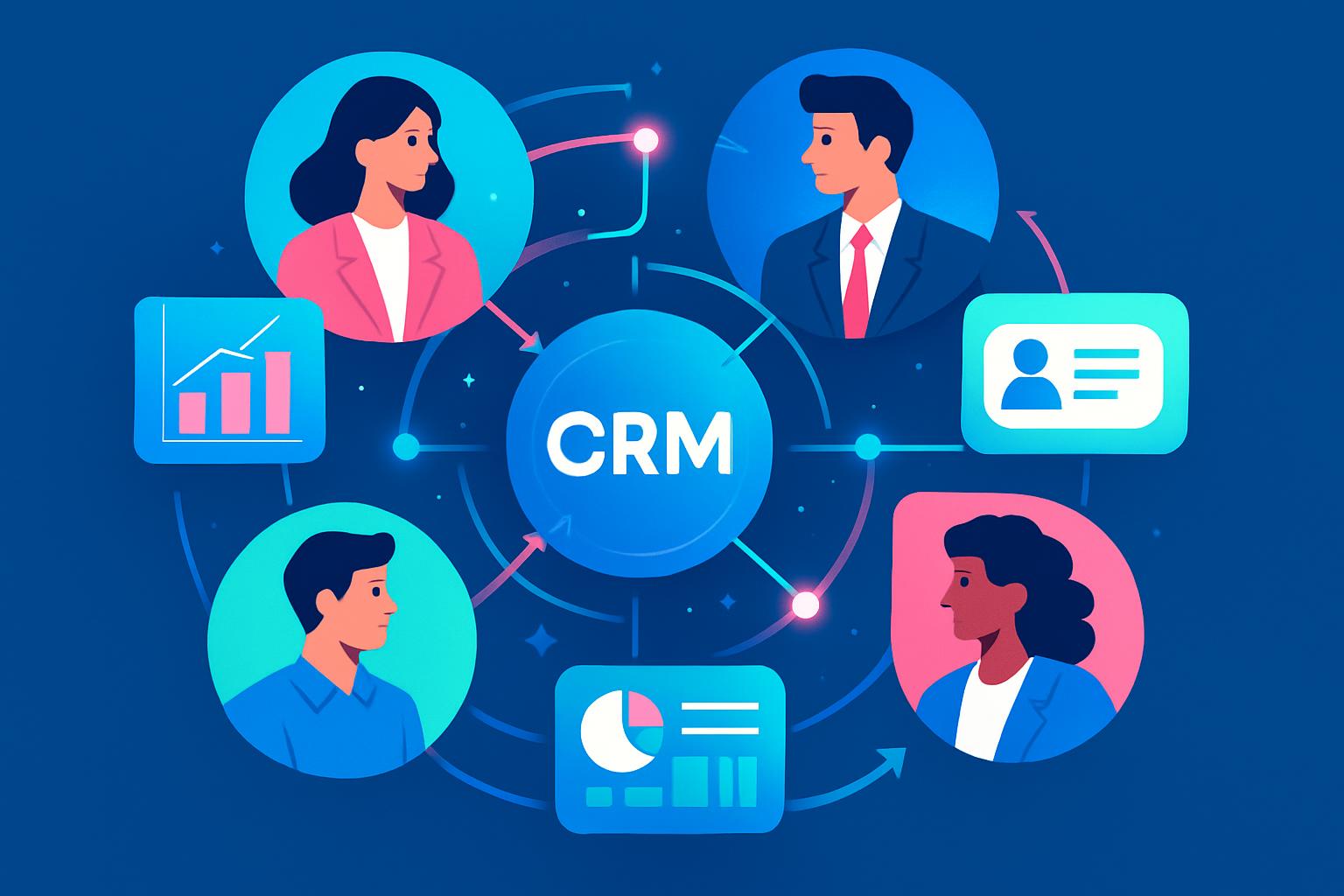
    A customer activity timeline is far more than a history log—it’s a complete narrative of every interaction across your business. Emails, meetings, deals, campaigns, website visits, and support tickets all appear in a single chronological view, forming a living record that delivers context at every touchpoint. This visibility prevents silos and empowers departments to collaborate seamlessly.

    Sales teams can see how marketing nurtured prospects before the first demo. Service representatives can understand purchase history before handling an issue. Finance teams gain awareness of renewals and contract activity. By linking all departments through one unified timeline, leaders elevate not only productivity but the customer experience as a whole.

    With MainFoundry’s Activity Timeline, every email, call, and meeting is automatically attached to the correct contact or company record. Paired with AI-powered insights, your CRM doesn’t just track activity—it interprets it, helping teams identify emerging trends and spot churn risks before they escalate.

    “Unified timelines don’t just store interactions—they create the shared understanding that powers truly customer‑centric organizations.”

    Turning Data Overload into Actionable Insight

    Most teams already have customer data—the challenge is making sense of it. A well‑structured timeline organizes scattered details into a clear, chronological view. This makes it easy to identify meaningful patterns, such as declining engagement or spikes in campaign activity. Filters and search features help teams zero in on priority accounts and opportunities requiring attention.

    Consider an account manager preparing for a meeting. With the timeline open, they instantly see that the client attended last week’s webinar, responded to a follow-up email, and had a support case closed the day before. This kind of context transforms routine touchpoints into personalized experiences built on knowledge and trust.

    Tools such as MainFoundry’s unified workspace integrate CRM, marketing, and analytics so timelines update automatically across campaigns and meetings. Through AI summarization, long activity threads condense into digestible briefs—perfect for reviewing before calls or measuring engagement outcomes.

    Pro Tip: Use your timeline filters to focus on new opportunities and top‑value customers each week. It keeps outreach targeted and ensures your team remains proactive instead of reactive.

    Businesses using unified timelines report up to 40% faster response times and stronger inter‑departmental collaboration.

    From Visibility to Value

    Visibility is only half the story—the real transformation comes when teams use timeline insights to guide their actions. By adopting the timeline as a shared workspace, conversations become more genuine and outcomes more predictable. It gives decision‑makers a full picture at a glance and helps frontline teams engage with confidence.

    When connected to automation and analytics, this visibility unlocks hidden trends. You can re‑engage inactive customers, recognize high‑potential leads, or replicate sales journeys that deliver the best results. Using MainFoundry’s marketing analytics, teams can correlate timeline events directly with revenue performance and campaign outcomes—tracing both what happened and why it worked.

    If your CRM forces you to jump between tabs to understand a customer’s journey, it’s time for a change. Explore how MainFoundry’s all‑in‑one business platform merges CRM, analytics, finance, and collaboration to turn every timeline into a complete business story.

    Key Takeaways

    • A unified activity timeline connects every interaction—emails, meetings, and support—into one clear customer view.
    • Shared visibility enhances collaboration among sales, service, and marketing teams.
    • AI‑powered summaries transform raw data into clear insights for quicker decisions.
    • Integrated platforms like MainFoundry’s CRM bring activity tracking together with analytics and finance for holistic business visibility.
    • Unified timelines form the backbone of modern, customer‑centric growth strategies.

    Related Reading

    Explore how Unified Customer Interaction Timeline: Why Every CRM Needs One builds on this concept for long‑term customer success.
  • CRM best practices for stærkere kunderelationer

    CRM best practices for stærkere kunderelationer

    Evnen til at forstå og fastholde kunder er blevet en væsentlig konkurrencefordel for moderne virksomheder. Med **kundestyring (CRM)** får du et komplet overblik over kundeinteraktioner, relationer og adfærd, så du kan skabe målrettede oplevelser fra første kontakt til tilbagevendende køb. I denne guide ser vi nærmere på, hvordan fuld kundestyring − drevet af data, automatisering og AI − styrker relationer, effektiviserer samarbeidet og bygger loyalitet i hele kunderejsen.

    Hvorfor Komplet Kundestyring Er Nøglen til Stærkere Relationer

    Kundestyring kombinerer strategi og teknologi for at skabe et fuldt billede af hver kunde. Et moderne **CRM-system** giver et 360° overblik over interaktioner, købshistorik og kommunikation, hvilket gør det muligt at reagere proaktivt på kundebehov og levere skræddersyede oplevelser. Når alle data – fra e-mails til mødenoter – ligger centralt, arbejder salgs-, marketing- og supportteams med det samme opdaterede vidensgrundlag.

    Hos MainFoundry viser **aktivitetstidslinjen** dette i praksis – hver kundes historik sammensættes i én kronologisk oversigt, så teams hurtigt kan forstå konteksten bag kontakten. Denne integrerede tilgang eliminerer fragmenterede oplysninger og skaber et grundlag for mere personlige, konsekvente relationer.

    Desuden giver kundestyring værdifulde indsigter til at skabe virksomhedsrelateret vækst. Ved at analysere kunde- og salgsdata kan ledelsen identificere mønstre, optimere strategier og se, hvor relationer styrkes. Med AI-drevne platforme som MainFoundrys AI-platform bliver det muligt at opsummere samtaler, forudsige salgsresultater og spotte trends automatisk − indsigter der ellers ville forblive skjult i databasen.

    “Et sammenhængende CRM-system gør det muligt at forstå både kundens behov og virksomhedens potentiale – på ét og samme sted.”

    Fra Data til Handling: Sådan Forvandler CRM Kundedata til Resultater

    Et CRM-system fungerer som virksomhedens nervecenter, der forbinder alle kontaktoplysninger, e-mails, møder og opgaver. Når kundedata samles ét sted, bliver det langt nemmere at omsætte indsigt til konkret handling. Det betyder hurtigere kommunikation, effektiv drift og mere datadrevne beslutninger på tværs af afdelinger.

    • Personlig og effektiv kommunikation, da tidligere interaktioner er let tilgængelige.
    • Strømlinet drift gennem automatiserede opfølgningsopgaver og segmentering.
    • Datadrevne beslutninger, der styrker marketing og produktudvikling.
    • Forbedret samarbejde med fælles adgang til kundedata.

    Når kundestyring kombineres med marketing analytics fra en samlet platform som MainFoundry, bliver det muligt at forbinde kunderejsen med kampagneperformance og omsætte relationer til målbare resultater. AI kan endda identificere mulige kundefrafald, foreslå opfølgningsaktiviteter og automatisere rapportering baseret på realtidsdata.

    Pro Tip: Brug CRM-data aktivt til at se, hvilke kunder der er mest engagerede, og skræddersy personlige kampagner med højere konvertering.

    Key Takeaways

    • Kundestyring skaber et samlet billede af kundens rejse og styrker relationer.
    • Et intelligent CRM-system samler kommunikation, adfærd og historik på tværs af touchpoints.
    • AI og automatisering forvandler data til salgsprognoser, indsigt og handling.
    • Platforme som MainFoundry forbinder CRM, marketing og økonomi i ét workspace.
    • Besøg mainfoundry.com for at opleve, hvordan komplet kundestyring kan transformere dine kundeinteraktioner.

    Related Reading

    Læs mere om, hvordan automatisering og AI styrker kundeoplevelsen i MainFoundrys AI-platform.

  • Real-Time Collaboration That Keeps Teams Aligned

    Real-Time Collaboration That Keeps Teams Aligned

    Working across time zones used to demand endless back-and-forth messages and long waits for updates. Now, real-time collaboration technology allows you and your team to build, edit, and decide together—no matter where you are. This article explores how distributed teams can stay aligned through live editing, version control, and integrated platforms such as MainFoundry Workspaces. You’ll discover the principles, tools, and workflows that keep teams connected, productive, and fully in sync—whether they’re spread across cities or continents.

    Why Real-Time Collaboration Matters for Distributed Teams

    Distance often creates disconnect. For distributed teams, it’s not just physical space but delayed visibility that leads to misalignment. Without access to instantaneous updates or shared visibility, minor missteps—like version conflicts or waiting for approvals—can turn into lost productivity. Real-time collaboration closes these communication gaps through instant syncing, continuous version control, and feedback that happens as you work.

    Modern tools such as Google Workspace, Microsoft 365, and Figma introduced the concept of co-editing—allowing multiple users to modify the same content simultaneously. This eliminated the old handoff process and replaced it with a living workspace where every idea is visible in real time. MainFoundry builds on this idea by placing these collaborative advantages inside unified business operations. Within its custom workspaces, teams can update project pipelines, marketing dashboards, or financial forecasts simultaneously, while real-time notifications alert every stakeholder to changes as they happen.

    “Teams thrive when visibility replaces delay and every update appears instantly across the workspace.”

    The most successful collaboration environments give everyone the same clarity. You can edit shared files, mention teammates directly, and generate automated summaries that make meetings more efficient. Through tight integration with MainFoundry’s CRM and Finance modules, key data flows automatically—linking people, tasks, and figures inside a single workspace. The result is seamless alignment and a stronger sense of momentum across distributed teams.

    Building Better Collaboration Environments

    For real-time systems to truly succeed, they must adapt to multiple work styles. Product teams, marketers, and finance managers all need cross-functional visibility but with different workflows. Flexible platforms allow each department to review, track, and share progress efficiently without jumping between apps. MainFoundry exemplifies this by integrating real-time updates into a unified communication hub where conversations, files, and reports coexist.

    In many organizations, discussions live in chat tools while work happens elsewhere. This fragmentation leads to lost context and misaligned next steps. A unified system directly links your CRM notes, meeting transcripts, and shared documents into one environment—ensuring the thread of collaboration never breaks. MainFoundry’s AI Assistant enhances this by automatically summarizing meetings, highlighting decisions, and eliminating duplicate entries so teams can focus on outcomes rather than coordination.

    Pro Tip: Choose collaboration tools that maintain both real-time responsiveness and asynchronous balance. Together, they promote faster decisions without overwhelming meeting schedules.

    Context retention also makes a difference. Rather than losing insight once a call ends, platforms like MainFoundry preserve your activity history by connecting records and references across linked databases. Every change is tracked—what was done, by whom, and why—creating a rich, transparent timeline that fuels better decisions. Additionally, asynchronous features like AI summaries, time zone–aware alerts, and personalized reminders sustain collaboration when teams aren’t online at the same time.

    Key Takeaways

    • Real-time collaboration aligns distributed teams and reduces the need for constant meetings.
    • Essential elements include live editing, unified communication, and transparent version tracking.
    • Combining synchronous and asynchronous tools prevents burnout while sustaining productivity.
    • Platforms like MainFoundry unify CRM, finance, and collaborative workspaces into one system of record.
    • The future of teamwork will be integrated, AI-assisted, and context-aware—empowering teams to move faster anywhere.

    Ready to bring your distributed teams together in a single dynamic workspace? Discover how MainFoundry connects CRM, marketing, and finance tools in real time—helping you work smarter across every collaboration moment.

    Related Reading

    Explore our guide on how MainFoundry Workspaces streamline cross-department collaboration to continue improving team efficiency.

  • Boost Efficiency with Centralized Document Management

    Boost Efficiency with Centralized Document Management

    Managing documents scattered across emails, cloud storage, and local drives can slow even the most organized teams. A centralized document management system eliminates this frustration by keeping every file in one secure, connected location. More importantly, it links each document to the contacts and companies that matter, empowering teams to work faster, collaborate seamlessly, and maintain compliance with less effort. In this post, you’ll learn how centralized storage linked to CRM data transforms productivity, strengthens security, and drives measurable business impact.

    Smarter Collaboration Through Centralized Document Management

    At its core, centralizing storage removes the problem of scattered files. When documents live in one organized hub, users access everything from any device—without chasing attachments or digging through folders. This shared structure enhances collaboration, allowing distributed teams to view or edit documents in real time. Linking files directly to clients and companies multiplies this value, providing contextual visibility for every interaction.

    Imagine opening a customer record and seeing all related contracts, invoices, and proposals instantly, instead of searching manually. Platforms like MainFoundry’s CRM and custom workspaces embed this approach within their workflows, combining storage with intelligent linkages that turn ordinary files into actionable assets. Advanced features such as metadata tagging, indexing, and OCR-powered search make locating content fast and intuitive—even within scanned documents or PDFs.

    “Linking each document to contacts and companies turns routine storage into relationship intelligence—where context drives every decision.”

    MainFoundry extends this advantage with automated document generation inside its CRM platform. Intelligent templates pull client data from questionnaires and pre-approved clauses, producing contracts in minutes instead of hours. This combination of context and automation delivers speed, accuracy, and brand consistency—critical for businesses scaling operations or managing compliance rigorously.

    Security, Compliance, and Seamless Integration

    Centralization does not mean vulnerability. Modern systems implement role-based access control so teams only view documents relevant to their permissions. That means sensitive contracts remain visible to account managers while hidden from other departments. Encryption, two-factor authentication, and detailed audit trails ensure confidentiality and accountability—essential for industries like finance, healthcare, and data services.

    MainFoundry’s security and compliance framework ensures every document interaction—from creation to approval—is encrypted and logged under GDPR and SOC-level standards. This transparency builds trust internally and externally, giving clients confidence their information is handled responsibly.

    Integration ties these capabilities together. When connected with CRM, finance, and marketing modules, documents move seamlessly across workflows. A proposal finalized in CRM can automatically trigger billing record creation or update an account profile. Version control and check-in/check-out tools prevent overwrites and keep revisions organized, enabling teams to collaborate securely and efficiently. MainFoundry’s finance management module further extends these links, automatically connecting signed agreements to both customer and billing records—eliminating redundant uploads and manual data entry.

    Efficiency, Compliance, and Real Business Impact

    Centralized document management drives measurable gains across departments. Teams save hours each week previously lost to locating or recreating files, while automated workflows accelerate approvals and eliminate printing delays. E-signatures enable instant closures, cutting costs and speeding up deals. The shift to digital processes also reduces paper waste and storage overhead—making operations more sustainable and efficient simultaneously.

    Beyond speed and savings, having all documents tied to the right company or contact elevates professionalism and builds trust. When a client requests a file, responding immediately from one secure system demonstrates reliability and transparency. Every interaction builds traceable history, simplifying audits and improving compliance.

    Organizations leveraging centralized document management report faster workflows, greater customer satisfaction, and stronger compliance alignment—all from a single integrated platform.

    Key Takeaways

    • Linking documents to contacts and companies establishes immediate context that accelerates workflows and decisions.
    • Modern tools like OCR and indexing make content retrieval rapid and precise, improving daily operations.
    • Security layers—including permissions, encryption, and audit trails—protect sensitive information and promote compliance.
    • Integration across CRM and finance systems eliminates duplicates and manual uploads, keeping workflows streamlined.
    • Digital workflows with e-signatures and version control save time, reduce costs, and deliver environmental benefits.

    With MainFoundry’s integrated platform, centralized document management connects CRM, marketing analytics, finance, and custom workspaces under one secure umbrella. Ready to transform how your organization handles documents and client interactions? Contact MainFoundry to explore how centralized storage can make your workflows faster, safer, and more connected.

  • CRM Calendar Sync for Smarter Scheduling

    CRM Calendar Sync for Smarter Scheduling

    When your workday fills up with meetings, calls, and project deliverables, keeping everything on schedule can quickly become chaotic. That’s where seamless calendar sync comes in—automatically connecting your calendars across platforms like Outlook, Google Calendar, and Apple Calendar to keep everyone aligned in real time. This article explores how calendar synchronization works, why it matters for hybrid teams, and how platforms like MainFoundry integrate these systems to eliminate double-bookings and streamline collaborative workflows.

    Why Calendar Integration Matters for Teams

    In today’s hybrid workplaces, coordination is everything. Teams often juggle tasks across multiple tools—meetings in one app, project deadlines in another—resulting in fragmented visibility. A synchronized calendar bridges this gap by delivering real-time updates across all systems, ensuring everyone sees the same schedule no matter where they work. This alignment reduces scheduling conflicts and creates organizational transparency.

    When a team member updates or reschedules a meeting, those changes automatically reflect across all connected platforms. That means no duplicate efforts, fewer missed appointments, and faster responses to client interactions. Companies implementing robust calendar integrations often report measurable gains in operational efficiency and reduced communication friction across departments.

    “A synchronized calendar is not just a scheduling tool—it’s the connective tissue that aligns your entire organization.”

    The real value of integration lies in visibility. For instance, when your CRM displays upcoming client calls alongside project timelines, your entire team operates from the same shared context. MainFoundry CRM goes further by automatically linking each event—whether a demo or client call—to the relevant contact or opportunity. This automation eliminates manual data entry and ensures departments like sales, marketing, and finance reference the same timeline.

    How Seamless Calendar Sync Works

    Behind the scenes, calendar synchronization relies on standardized formats and secure APIs, not magic. Most systems use either one-way synchronization—which shares calendar data for visibility—or two-way synchronization, allowing edits to update everywhere simultaneously. For modern teams managing dynamic schedules, two-way sync ensures that no update is missed and that data consistency remains intact across all connected platforms.

    Calendar sync typically leverages open standards such as iCalendar and CalDAV. These protocols allow different calendar systems to communicate effortlessly, while real-time webhooks deliver instant updates without requiring users to refresh manually. Large organizations, handling hundreds of events daily, benefit immensely from such automation—ensuring that every meeting update, cancellation, or reschedule is propagated instantly.

    Interface design also matters. Smart features like multiple calendar views, color-coded events, and conflict detection highlight scheduling overlaps before they cause issues. MainFoundry Workspaces integrates these functions into a unified dashboard where project timelines, meetings, and tasks coexist. Meanwhile, its AI Assistant proactively identifies postponed events and suggests new action items—empowering users to make timely adjustments with minimal oversight.

    Pro Tip: Configure calendar sync selectively. By syncing only the most relevant events, tags, or calendars, teams maintain clarity while avoiding unnecessary clutter in personal schedules.

    Turning Sync Into Strategy

    While synchronization may appear technical, its strategic implications are massive. A unified timeline connecting CRM records, campaign launches, and billing milestones accelerates collaboration and insight-driven decisions. For example, overlapping marketing events and product releases become visible instantly, preventing resource strain and scheduling conflicts before they undermine productivity.

    MainFoundry embodies this principle by linking every action—whether a client meeting, invoice alert, or analytics review—into one coherent workflow. Within its unified environment, teams transition seamlessly between scheduling, monitoring, and adjusting without switching tools. This integration ensures consistent visibility across various tools, from marketing analytics to billing management.

    • Prioritize two-way synchronization for reliable, up-to-date scheduling across all systems.
    • Adopt standardized protocols like iCalendar for maximum compatibility.
    • Integrate your calendar with CRM tools for automatic context around client meetings.
    • Leverage AI-driven suggestions to act on schedule changes quickly.
    • Regularly audit your setup to refine permissions and maintain an efficient flow of information.

    Key Takeaways

    A well-executed calendar synchronization strategy transforms how businesses operate—turning reactive scheduling into proactive coordination. Beyond improved punctuality, it fosters collaboration, contextual alignment, and predictable workflow management. Teams that embrace synchronization report smoother cross-department collaboration and clearer visibility into organizational priorities.

    When every event syncs seamlessly, your schedule becomes more than a list—it becomes your strategic map for success.

    For growing teams ready to unify their calendars, communications, and workflows in one secure ecosystem, MainFoundry provides a connected platform that makes every meeting, milestone, and follow-up effortless from start to finish.

  • Automatiseret udgiftsstyring giver smartere økonomi

    Automatiseret udgiftsstyring giver smartere økonomi

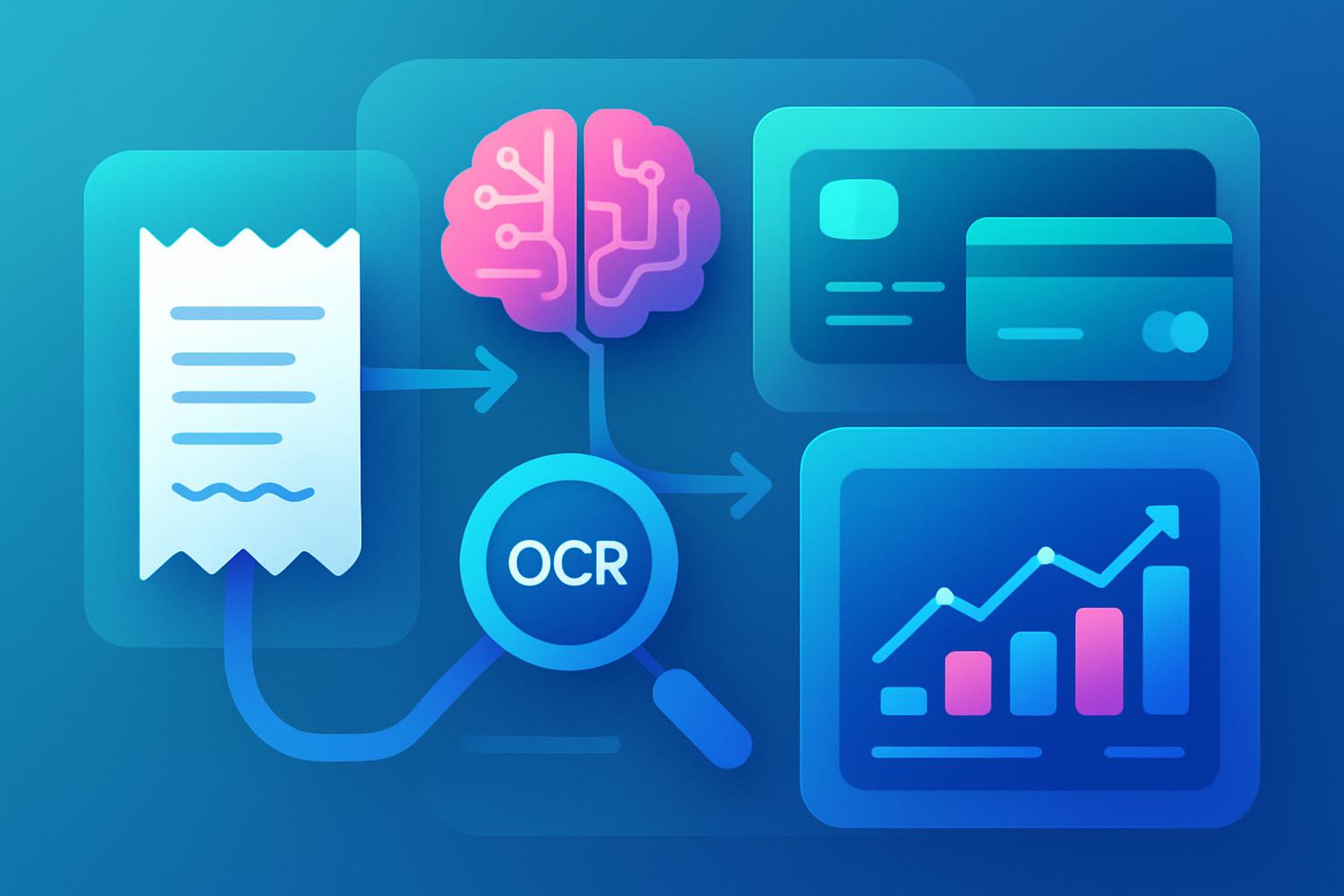
    At håndtere virksomhedens udgifter manuelt kan være både tidskrævende og risikabelt. Hver glemte kvittering eller forkert postering skaber forsinkelser og fejl i regnskabet – men det behøver ikke være sådan. Med automatiseret udgiftsstyring bliver kvitteringer omdannet til indsigt på få sekunder gennem intelligent teknologi som OCR, AI og bankintegrationer. I denne artikel ser vi på, hvordan automatisering ændrer udgiftsstyringen i praksis, hvilke løsninger der leder udviklingen, og hvordan du kan bruge data til at styre økonomien smartere og mere effektivt.

    Automatiseret udgiftsstyring: Fra kvitteringer til indsigt

    Et moderne udgiftssystem kan i dag automatisk registrere og kategorisere forretningsudgifter ved at analysere billeder af kvitteringer, udtrække data og matche dem med banktransaktioner. Denne proces eliminerer behovet for manuel indtastning og sikrer et langt mere nøjagtigt økonomisk overblik. Platforme med indbygget intelligent kvitteringsscanning genkender leverandør, dato, beløb og moms på få sekunder – hvilket reducerer risikoen for fejl og frigør tid til vigtigere opgaver.

    Flere danske systemer anvender AI til at genkende gentagne leverandører og foreslå korrekte konti såsom “kontorartikler” eller “transport”. Denne automatisering sørger for, at data flyder direkte mellem bank og regnskab uden manuelle forsinkelser. Løsninger som Debitoor og SumUp er eksempler på platforme, der har gjort denne proces enkel og effektiv. MainFoundry går et skridt videre ved at integrere kvitteringshåndtering direkte med fakturering og abonnementsstyring.

    “Når udgiftsdata flyder frit mellem bank og regnskab, opnår virksomheder et hidtil uset økonomisk overblik – i realtid.”

    Større systemer som Acubiz og Compello tilbyder avanceret fakturaskanning og automatiserede bogføringsregler, der lærer af tidligere mønstre. Det betyder, at kontoplaner holdes konsistente, og regnskabet opdateres uden behov for løbende kontrol. Samtidig kan AI-algoritmer forudsige fremtidige udgifter baseret på historiske data – værdifuldt for økonomiteams, der ønsker at arbejde mere strategisk med budgettering og kontrol.

    Fra håndtering til indsigt: De forretningsmæssige fordele

    Når udgiftsstyring bliver automatiseret, mærkes gevinsterne på tværs af hele organisationen. OCR og AI eliminerer manuelt arbejde, mens realtidsindsigt giver ledere mulighed for at reagere på afvigelser med det samme. Derudover sikrer den digitale dokumentation, at enhver kvittering er sporbar og klar til revision, hvilket styrker compliance og gennemsigtighed. Virksomheder oplever dermed både bedre overblik og en markant reduktion af fejl i regnskabet.

    • Tidsbesparelse og præcision – automatiseret datafangst reducerer manuelle opgaver.
    • Bedre økonomisk overblik – udgifter vises i realtid på tværs af systemer og afdelinger.
    • Datadrevet beslutningstagning – indsigt i mønstre og forbrug gør det muligt at optimere fremtidige budgetter.
    • Forenklet integration – løsninger som MainFoundry kobler udgiftsstyring direkte til fakturering og CRM-data.

    Pro Tip: Jo tættere dine økonomisystemer er integreret, jo mere pålidelige bliver dine data. Automatisering giver ikke kun hastighed – det skaber sammenhæng og præcision i hele økonomiflowet.

    Vigtige pointer og næste skridt

    Automatiseret udgiftsstyring repræsenterer et vigtigt skridt mod en mere effektiv og transparent økonomiafdeling. Virksomheder, der tager teknologien til sig, oplever både tidsbesparelse, højere datanøjagtighed og et forbedret beslutningsgrundlag. Ved at integrere udgiftshåndteringen med platforme som MainFoundry, kan du samle udgifter, fakturering og abonnementsstyring i ét centralt system – og dermed skabe et komplet og datadrevet økonomisk økosystem.

    Related Reading

    Læs mere om MainFoundrys økonomifunktioner og oplev, hvordan automatisering kan transformere din økonomistyring.

  • Real-Time Dashboard Analytics for Faster Business Decisions

    Real-Time Dashboard Analytics for Faster Business Decisions

    In a world where business moves at the speed of data, **real-time dashboard analytics** are transforming how companies make decisions. Instead of waiting for static reports, leaders can act instantly on live numbers—from sales performance to financial health. This article explores how real-time dashboards enable faster, smarter decision-making, how they integrate across departments, and how platforms like MainFoundry’s marketing analytics and attribution tools unify business data into one seamless view.

    Real-Time Dashboards: The Engine of Faster Business Decisions

    Real-time dashboards function like a live command center, constantly pulling data from CRM systems, marketing software, finance platforms, and operational tools. The result is immediate visibility into what’s happening across the business. This real-time perspective lets teams act on opportunities or challenges as they arise—correcting underperforming campaigns, addressing process bottlenecks, or improving response times before issues escalate.

    Companies leveraging dashboard analytics report decision-making speeds improving by nearly 50%. That’s because live feedback loops replace static workflows: a marketing manager can reallocate ad spend mid-campaign, while a CFO can review overdue invoices in the same moment they’re logged. In contrast to static dashboards or spreadsheets, **real-time analytics** turn reactive planning into proactive strategy.

    A dynamic dashboard creates a single source of truth across departments. Integrating your CRM ensures revenue and retention data align perfectly with financial reports. For instance, MainFoundry’s CRM module structures contact and company data specifically for live reporting, allowing updates to cascade across sales pipelines, campaigns, and invoicing automatically.

    “Real-time dashboards bridge the data-to-action gap, enabling organizations to move from awareness to decision in seconds.”

    Well-designed dashboards also allow flexible customization through filters, color-coded alerts, and interactive visualizations. Role-based views keep each team focused on what matters most—sales teams follow deal velocity while executives visualize top-line revenue. And because alerts trigger automatically when metrics move outside expectations, teams can respond faster, increasing efficiency and transparency across the organization.

    How to Make Real-Time Dashboard Analytics Work for Your Business

    To maximize real-time dashboards, focus on integration and clarity rather than sheer complexity. Many organizations fall into the trap of measuring everything, but the most effective dashboards track only metrics tied to business outcomes. Start by defining which measures are decision-critical—such as revenue per customer, conversion rates, or operation efficiency—and connect each data source so the dashboard updates automatically.

    Platforms like MainFoundry’s AI-powered workspace builder amplify this process by automating dashboard setup and intelligent data integration. The built-in AI Assistant interprets CRM and campaign data, generates reports through natural queries, and tailors insights by department—helping teams act on the most relevant metrics for their goals.

    • Sales and Revenue: Track open deals, won opportunities, and recurring income to validate cash flow stability in real time.
    • Marketing: Analyze live campaign results and conversions to adjust strategy mid-stream.
    • Finance: Monitor renewals, expenses, and invoices continuously without waiting for monthly closure.
    • Operations: Detect utilization inefficiencies and workflow delays as they occur, enabling immediate correction.

    Continuous updates eliminate the need for manual reporting, allowing more time for innovation. Over time, quarterly dashboard reviews help refine the tracked metrics, thresholds, and alerts to better reflect shifting business priorities. By consolidating CRM, marketing, and finance data in shared custom workspaces, companies remove data silos and empower teams to make instant, confident decisions.

    Pro Tip: Keep dashboards action-oriented by setting alert thresholds that trigger reviews only when key KPIs deviate significantly—this ensures focus stays on meaningful change, not noise.

    Key Takeaways

    Real-time dashboard analytics have redefined what it means to be data-driven. By integrating live data streams from marketing, finance, and operations, leaders gain complete transparency into performance. They not only inform decisions—they accelerate them, empowering teams to act the moment numbers shift.

    • Enable instant visibility into live business performance.
    • Replace manual, static reporting with automated, dynamic insights.
    • Integrate CRM, marketing, and finance data for full context and consistency.
    • Empower all departments through role-based, live dashboards.
    • Continuously refine metrics to stay aligned with evolving objectives.

    Explore Next

    Discover how MainFoundry unifies analytics across your enterprise—building integrated, AI-powered dashboards that keep teams informed and ahead.

  • Workflow Automation Strategies for Better Business Efficiency

    Workflow Automation Strategies for Better Business Efficiency

    If your team spends too much time on repetitive tasks, workflow automation can be the solution that transforms efficiency. It’s not simply about technology—it’s about freeing people to focus on ideas and impact rather than manual processes. In this post, we’ll explore how automation simplifies operations, strengthens accuracy, and scales teams intelligently. You’ll discover practical examples, strategic steps, and how tools like MainFoundry’s AI-powered workflow tools make automation accessible for teams of any size.

    Why Workflow Automation Matters for Modern Teams

    The power of automation lies in turning repeatable processes into dependable systems. When approvals, reminders, and reports are triggered automatically, your team reduces errors and eliminates wasted time. Many businesses find that automation cuts routine workloads nearly in half, while maintaining ongoing operational continuity. Instead of reacting to tasks, teams can concentrate on forward-thinking work like strategy or innovation.

    Automated workflows follow clearly defined rules. For example, data entry and invoice generation that run on structured logic lead to far fewer mistakes compared to manual processes. In industries where precision drives performance—such as finance or compliance tracking—the difference is huge. Platforms like MainFoundry’s Custom Workspaces tie together CRM, marketing, and billing so one action in one system can cascade multiple steps automatically.

    “Automation isn’t just faster—it creates clarity, offering real-time visibility that empowers smarter decision-making across departments.”

    Teams using workflow automation often recover several hours per week that can be redirected toward growth-focused initiatives.

    How to Build Human-Centered Automated Systems

    The best automation doesn’t replace people—it amplifies their performance. When implemented properly, it enhances collaboration, scalability, and accountability in every department. Automated notifications and shared dashboards reduce communication clutter and keep teams aligned, while digital audit trails ensure transparency. As your business grows, workflows seamlessly handle increased volume without manual intervention or risk of delay.

    Modern platforms go even further by integrating artificial intelligence. For example, MainFoundry’s AI Assistant doesn’t just execute tasks—it interprets real-time data and suggests optimization strategies across your CRM or workspace. That means your system not only runs efficiently, it evolves intelligently.

    Pro Tip: Begin small—automate one simple approval chain or recurring report first, refine it, and then expand. Gradually scaling automation helps teams adopt systems naturally.

    As your organization evolves, automation makes adapting to new demands faster and smoother. There’s no need for massive retraining or system rebuilds—workflows can be adjusted instantly. This flexibility often becomes a significant competitive advantage, especially for startups or scaling enterprises aiming to stay responsive in dynamic markets.

    Key Takeaways

    • Prioritize high-volume tasks like reporting or approvals when starting your automation journey.
    • Integrate tools seamlessly across departments to ensure CRM, marketing, and finance data stay in sync.
    • Keep people central—automation should empower teams, not replace their insight and creativity.
    • Monitor performance regularly and adapt workflows as your organization’s needs evolve.
    • Explore MainFoundry’s integrated platform to unify CRM, marketing, and finance workflows with intelligent automation.

    Related Reading

    Check out How AI Powers Smarter Workflows for more insights on optimizing automation with intelligent technology.

  • Effektiv fakturering og betalingsstyring for danske virksomheder

    Effektiv fakturering og betalingsstyring for danske virksomheder

    Fakturering er ikke blot en administrativ opgave – det er fundamentet for virksomhedens professionalisme, likviditet og økonomiske kontrol. For danske virksomheder handler korrekt fakturering om at overholde momsregler, styrke kundetillid og optimere interne processer. I denne artikel får du indsigt i, hvordan professionel fakturering, digitalisering og betalingshåndtering kan løfte din forretning og sikre en mere effektiv arbejdsgang. Du lærer også, hvorfor moderne platforme som MainFoundry kan integrere alle økonomiske processer i én platform – fra faktura til betaling.

    Professionel fakturering og korrekt fakturaopbygning

    En professionel faktura er grundlaget for et effektivt samarbejde mellem virksomhed og kunde. Den skal være præcis, fuldstændig og let at forstå, indeholde CVR-nummer, fakturanummer, kundedata samt detaljeret beskrivelse af produkter eller ydelser. En velstruktureret faktura minimerer fejl, sikrer hurtigere betalinger og reducerer risikoen for uenigheder.

    I Danmark er momsregistrering og dokumentation centrale elementer. Den gældende momssats på 25% skal fremgå tydeligt, og både udgående og indgående moms skal spores i bogføringen. Fakturaen skal derfor kunne dokumenteres hele vejen fra afsendelse til betaling – både for virksomheden og for kunden.

    Effektiv fakturering handler dog ikke kun om korrekthed, men også om automatisering. Moderne SaaS-platforme som MainFoundry tilbyder abonnements- og faktureringsstyring, hvor fakturaer genereres automatisk ud fra projekt-, kunde- eller abonnementsdata. Det reducerer manuelle fejl, frigør tid og skaber transparens, da al økonomisk aktivitet kan spores i realtid.

    “En professionel fakturaproces er ikke kun et juridisk krav – det er et signal om kvalitet, struktur og troværdighed.”

    Digitalisering og e-fakturering som standard

    E-fakturering har udviklet sig fra et offentligt krav til at være et konkurrenceparameter for danske virksomheder. Elektroniske fakturaer reducerer fejl, sparer papirarbejde og sikrer nem overholdelse af regnskabs- og momslovgivningen. Via systemer som NemHandel og PEPPOL foregår dataudveksling krypteret og sikkert – en fordel for både små og store virksomheder.

    Løsninger som e-conomic, Fikto og Remotify automatiserer e-fakturaer, rykkere og arkivering. Men den største gevinst opstår, når fakturering kombineres med betalingshåndtering og CRM-integration. MainFoundry muliggør netop denne sammenhæng, hvor fakturaer genereres automatisk ud fra abonnementsdata, moms beregnes dynamisk, og indbetalinger spores i realtid.

    Ved at digitalisere fakturaprocessen reduceres risikoen for compliance-fejl markant. Systemer som TrueCommerce og e-conomic integrerer med offentlige registre, men MainFoundrys økonomimodul giver et samlet **overblik i realtid** over fakturabeløb, forfaldsdatoer og abonnementsindtægter (MRR/ARR). Dette giver beslutningstagere hurtigere indsigt og mere præcise styringsdata.

    Pro Tip: Integrér din fakturering direkte med CRM og betalingsplatforme for fuld synlighed i kunderejsen og bedre cash flow.

    Effektiv betalingshåndtering og likviditet

    Selv den mest detaljerede faktura skaber først værdi, når betalingen modtages. Derfor er betalingsstyring en kritisk del af likviditetskontrollen. Tydelige betalingsbetingelser, faste frister og automatiske påmindelser er afgørende redskaber. Mange danske virksomheder anvender systemer med realtidsopdatering af betalingsstatus, så kunder ikke bliver overset eller rykkere sendes for sent.

    Med MainFoundrys **AI Assistent** kan virksomheder automatisere opfølgning på betalinger. Funktionen genererer rykkermails, opdaterer status og kan foreslå fleksible betalingsplaner baseret på kundehistorik. Det sparer tid, reducerer manuelle fejl og stabiliserer cash flow – især i konsulent- og abonnementsbaserede forretninger.

    Ved at samle fakturering, moms og betaling i ét system opnår virksomheder bedre compliance og overblik. Det eliminerer risikoen for dobbeltbogføring og øger dokumentationssikkerheden overfor SKAT. Integreret økonomistyring handler ikke kun om effektivitet – det er en investering i virksomhedens troværdighed og bæredygtige vækst.

    Vigtige pointer

    • Automatiseret fakturering og korrekt momsberegning minimerer fejl og sparer tid.
    • E-fakturering styrker compliance og reducerer administrative byrder.
    • Integreret betalingshåndtering giver bedre cash flow og færre rykkere.
    • Brug platforme som MainFoundry til at samle fakturering, CRM og økonomi i ét system.
    • Digitalisering skaber gennemsigtighed, kontrol og professionalisme.

    Læs mere

    Se hvordan MainFoundry kan automatisere dine fakturerings- og betalingsprocesser og hjælpe din virksomhed med smartere økonomistyring.

  • CRM Email Tracking for Smarter Sales Outreach

    CRM Email Tracking for Smarter Sales Outreach

    Timing your sales follow-up is often the difference between a missed opportunity and a closed deal. Yet, most teams still rely on guesswork when deciding when to re-engage a prospect. With the help of email tracking, you can replace that uncertainty with valuable, real-time insights. This guide explores how tracking email opens, clicks, and interactions helps refine follow-up timing, personalize outreach, and accelerate conversions—all while syncing seamlessly with your CRM for smarter, data-driven sales execution.

    Why Email Tracking Improves Sales Timing

    Modern email tracking tools provide real-time visibility into your prospects’ interest level. When a lead opens an email multiple times or clicks a link to a product page, that behavior signals genuine curiosity. Acting on these signals quickly allows your team to follow up just as interest peaks. The result is higher response rates and shorter deal cycles since your outreach arrives while the conversation is still top of mind.

    For instance, imagine sending a proposal and receiving a notification minutes later that the recipient has opened it twice and clicked on pricing details. Instead of guessing next steps, your next call can focus directly on pricing questions—meeting the buyer exactly where their attention lies. Repeated over time, this simple timing advantage compounds into greater efficiency and predictable conversions.

    “The best follow-up happens when a prospect is most engaged—that’s the window when interest turns into action.”

    Tools like MainFoundry’s CRM simplify this process by logging every tracked email automatically. Each message, click, or note contributes to an evolving activity timeline that connects conversations across meetings, calls, and documents. By consolidating engagement signals in one place, teams spend less time digging for updates and more time acting on solid insights.

    Features That Elevate Email Tracking Effectiveness

    The most powerful sales platforms combine tracking intelligence with CRM automation. They transform opens and clicks into actionable data that trigger timely sales actions. For example, real-time alerts can notify reps of prospects showing renewed activity, while automated logs ensure communication data remains accurate and accessible for reporting and collaboration.

    In the MainFoundry AI platform, for instance, intelligent suggestions guide next steps when engagement lags—drafting a reminder email, queuing a follow-up, or updating CRM tasks automatically. These AI-driven insights reduce guesswork, allowing reps to focus on meaningful, personalized outreach aligned with each prospect’s behavior.

    Pro Tip: When integrated with marketing data from MainFoundry’s analytics suite, email tracking reveals which messages or assets drive the most clicks, allowing sales teams to tailor future campaigns based on proven engagement patterns.

    Beyond individual leads, aggregated tracking data also enhances team performance analytics. By identifying which templates, links, or attachments consistently prompt action, teams can refine messaging for maximum impact. Integrated views across CRM and marketing reduce fragmented reporting and drive shared strategy grounded in the same data visualized through the finance dashboard, giving leadership clearer forecast accuracy.

    What Teams Gain From Smarter Email Tracking

    When email tracking becomes part of daily workflow, it transforms how sales teams prioritize and connect with prospects. Reps instantly recognize leads who recently engaged, use that context to craft more relevant follow-ups, and automate busywork like task creation or CRM updates. That operational clarity drives stronger relationships and consistent revenue growth.

    • Better prioritization: Focus on prospects displaying recent interest through opens or clicks.
    • Improved personalization: Tailor each follow-up using known engagement cues, enhancing authenticity.
    • Higher conversion rates: Respond faster while leads are most receptive to conversations.
    • Reduced manual effort: Automate documentation and reminders so reps spend more time selling.
    • Actionable insights: Combine tracking data and marketing analytics for stronger strategy alignment.

    Platforms like MainFoundry bring this all together—combining email tracking, CRM context, and AI-powered recommendations into one connected environment. The result is faster communication loops, better visibility, and consistent improvement across sales performance metrics.

    Key Takeaways

    Smarter follow-up timing starts with understanding when your prospects engage. Email tracking provides real-time context so you can act decisively instead of guessing. By linking this data with CRM and AI analytics, sales teams unlock a complete engagement picture that guides outreach and boosts conversion speed. To explore how integrated email tracking can elevate your team’s results, visit MainFoundry and learn how data-driven communication can transform your sales process.

    Related Reading

    Check out How Marketing Analytics Enhance Sales Outreach for more insights on optimizing your communication strategy.