Author: Jørgen Wibe

  • All‑in‑One vs Best‑of‑Breed SaaS Tools Guide

    All‑in‑One vs Best‑of‑Breed SaaS Tools Guide

    Choosing between all‑in‑one vs best‑of‑breed SaaS tools is one of the most consequential decisions small teams face. Early on, specialized tools feel efficient and flexible. But as your SaaS business grows, juggling multiple systems often creates friction, lost context, and slowed decision‑making. This guide breaks down both approaches to help you identify when it’s time to consolidate, what benefits an integrated stack brings, and how a modern platform like MainFoundry can streamline operations across sales, marketing, and finance.

    Strengths and Trade‑offs: All‑in‑One vs Best‑of‑Breed SaaS Tools

    Best‑of‑breed tools excel by focusing on one job exceptionally well. You might use a single system for CRM, another for marketing analytics, and a third for billing. This approach allows early‑stage teams to stay lean and tailor their stack as they grow. You choose exactly what fits your current needs without paying for unused capabilities.

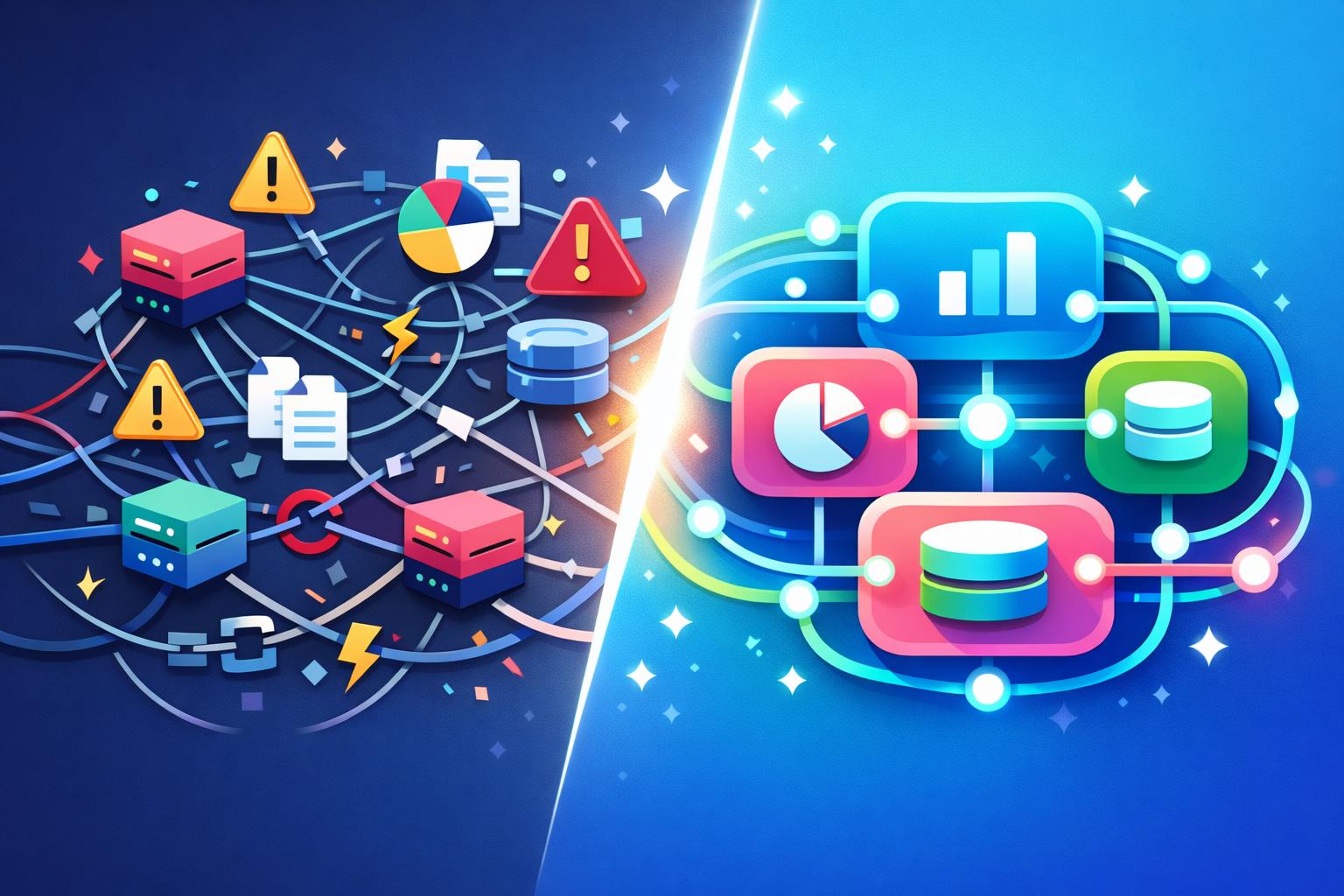
    However, the gaps between systems can quietly accumulate. As your customer base expands, data becomes scattered—marketing insights sit in one app, deal status in another, and revenue metrics somewhere else. Even with integrations, context gets lost, and simple questions like “Which campaigns drive long‑term revenue?” become spreadsheet puzzles requiring manual reconciliation.

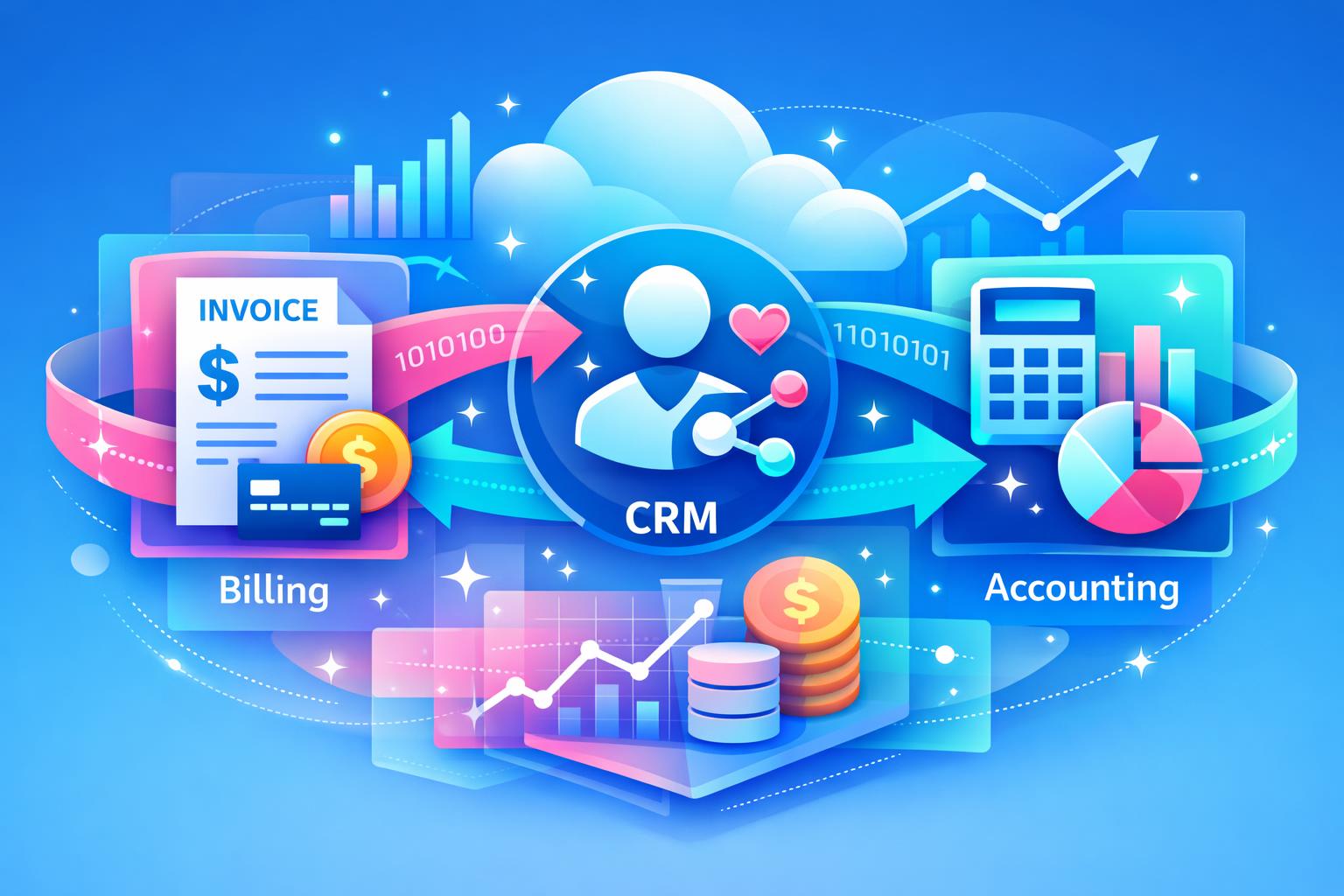
    By contrast, all‑in‑one platforms prioritize a unified data model. Everything from CRM activity and marketing engagement to billing and invoices lives in a shared environment. Platforms such as MainFoundry integrate CRM and contact management, marketing analytics and attribution, and billing operations to provide a complete customer picture in one place.

    Still, these all‑in‑one solutions can’t claim to be best at every feature. For teams with deep or complex requirements—say, highly customized marketing automation or niche compliance workflows—stand‑alone tools can remain beneficial. The key question is not which model is “better,” but which aligns with your current growth stage and operational needs.

    “The real challenge isn’t about choosing the perfect software—it’s about finding the balance between flexibility and shared context.”

    When Consolidation Becomes the Smarter Move

    The push toward consolidation rarely begins with cost reduction—it starts when coordination becomes a priority. Once multiple people manage marketing, sales, and finance, disconnected tools slow communication and obscure visibility into what drives results. Founders often find themselves reconciling conflicting reports across systems rather than steering the business forward.

    A unified platform changes that dynamic. When everyone operates from the same record, tasks become faster and more consistent. For example, within MainFoundry, you can view sales emails, recorded meetings, and invoices in one timeline. This shared visibility reduces internal back‑and‑forth while keeping customer context intact—especially powerful when combined with an AI business platform that draws insights directly from unified data.

    You’ll know it’s time to consolidate when coordination costs start outweighing the benefits of specialization. Tell‑tale signs include duplicated data entry, conflicting metrics, and reliance on manual exports to build accurate reports. If your team uses multiple systems just to understand one customer’s journey, unification can accelerate both clarity and execution.

    • You rely on three or more tools to see a customer’s full history
    • Reporting accuracy depends on manual spreadsheets or scripts
    • Onboarding new hires takes extra time due to fragmented systems

    Modern all‑in‑one solutions are no longer rigid monoliths. Features like custom workspaces in MainFoundry allow teams to model diverse processes—from partnerships to project management—without adding new systems. That adaptability removes the main objection teams once had about consolidation: loss of flexibility.

    Pro Tip: Before consolidating, map where data breaks down or context is lost. This clarity ensures you’re solving the real coordination problem—not just swapping tools.

    Key Takeaways

    The debate around all‑in‑one vs best‑of‑breed SaaS stacks isn’t a matter of right or wrong—it’s about timing. Early on, specialized systems give you control and rapid experimentation. As your company matures, shared context and cohesive reporting start to matter more than individual tool depth. Consolidation then becomes less about cutting costs and more about removing friction in everyday decisions.

    To assess your readiness, identify where duplicate data or inconsistent metrics slow your team down. If inefficiencies cluster around customer visibility and growth measurement, exploring a unified platform such as MainFoundry may represent the next strategic step. You can learn more at mainfoundry.com or start a conversation directly through mainfoundry.com/contact.

  • Hidden Costs of SaaS Tool Sprawl for Growing Teams

    Hidden Costs of SaaS Tool Sprawl for Growing Teams

    Running multiple SaaS tools can feel like progress—a sign that your team is scaling. But the reality is often more complex. The hidden cost of SaaS tool sprawl goes far beyond subscription fees, quietly undermining productivity, data accuracy, and security. This article explores how fragmented software stacks erode efficiency, why consolidation helps, and how all‑in‑one platforms like MainFoundry are helping growing teams reclaim control and scale smarter.

    How the Hidden Costs of SaaS Tool Sprawl Add Up

    At first glance, SaaS costs seem simple—just a list of monthly subscriptions. However, once you account for overlapping tools, unused licenses, and disconnected workflows, the picture changes completely. Many teams underestimate spend because they only review invoices, not the time lost maintaining or reconciling multiple systems.

    Smaller companies may operate a dozen or more tools spanning CRM, marketing, analytics, support, and finance. As organizations grow, those costs balloon into the hundreds of thousands annually—with much of that spend wasted on underused software. Meanwhile, engineering and operations teams lose hours each week maintaining brittle integrations or cleaning up data mismatches.

    “Every additional tool introduces friction—from integration overhead and duplicate data to lost productivity and mounting security risk.”

    When data lives in separate silos, reporting becomes a weekly headache. Teams manually export CRM insights, marketing results, and revenue metrics into spreadsheets just to get a unified view. This effort rarely shows up in software budgets, yet it drains resources and delays decisions. Add context switching—jumping between systems with different logins and terminology—and productivity takes another hit. Over time, employees spend more energy managing tools than delivering value to customers.

    Beyond inefficiency, sprawl also compromises security. Unapproved or “shadow IT” tools can slip into workflows without proper oversight, complicating user offboarding and data governance. Disconnected tools multiply potential entry points for vulnerabilities and compliance exposure, raising the hidden operational risk of tool sprawl.

    Why Consolidating Tools Reduces SaaS Sprawl Risk

    Consolidation isn’t just about cutting costs—it’s about eliminating the root causes of inefficiency. When teams operate within a unified system, workflows align, data stays consistent, and duplicate costs vanish. Platforms like MainFoundry bring CRM, marketing, and finance into one environment, making it easier to create full‑funnel visibility without relying on brittle integrations.

    Unified data means updates synchronize automatically, giving teams a single, reliable source of truth. New hires learn one consistent system instead of juggling several specialized apps, reducing ramp time and dependency on tribal knowledge. This consistency directly improves collaboration because every department—from marketing to finance—shares the same data context.

    Pro Tip: Evaluate your current stack by measuring not just cost per license, but the time spent maintaining integrations, cleaning data, and switching contexts. These hidden hours often double the true cost of your SaaS ecosystem.

    AI extends these consolidation benefits further. When built inside a unified platform, integrated AI can instantly surface insights, trends, and next steps without requiring data exports or manual reconciliation. That’s a major difference from layering AI across disconnected systems that can’t share context or structure.

    Additionally, fewer tools mean fewer security gaps. Centralized access controls and consistent audit trails simplify compliance, offboarding, and permissions, while freeing IT from chasing down disconnected accounts or outdated credentials. The end result is a leaner, safer, and more transparent operational ecosystem.

    Key Takeaways

    • The hidden costs of SaaS sprawl often outweigh visible subscription fees once integration, reporting, and productivity losses are factored in.
    • Disconnected systems drive data errors, context switching, and security vulnerabilities that slow growth.
    • Consolidating CRM, marketing, and finance into one platform streamlines workflows and improves scalability.
    • All‑in‑one systems like MainFoundry help teams regain visibility, efficiency, and focus while reducing security risk.

    If your stack feels heavier with each quarter, consolidation isn’t about cutting corners—it’s about creating clarity. Explore a platform that integrates CRM, analytics, and finance in one environment to simplify operations and scale without friction. Start by connecting with the MainFoundry team to see how unified workflows can transform growth.

  • SaaS Tool Stack Consolidation for Small Teams

    SaaS Tool Stack Consolidation for Small Teams

    For many small SaaS teams, growth happens fast—and often without an intentional plan for the tools supporting it. What starts as a flexible mix of apps can quickly evolve into an unwieldy stack of overlapping software, redundant features, and rising costs. This post explores why SaaS tool stack consolidation is accelerating for small teams, how disjointed systems harm productivity, and the practical steps to streamline your tools without slowing momentum.

    You’ll learn what hidden costs drive teams to consolidate, what modern integrated platforms like MainFoundry offer, and how to evaluate tools strategically to regain clarity and control of your operations.

    Why Small Teams Are Moving Toward SaaS Tool Stack Consolidation

    In companies of 2–50 people, tech stacks often grow reactively. A new tool for CRM, another for marketing automation, something else for analytics—until every workflow requires switching apps. Over time, these patchwork systems create drag. The perceived flexibility becomes complexity that slows execution and clouds operational visibility.

    Beyond visible subscription costs, the real issue lies in the hidden waste. Small teams frequently pay for licenses that go unused or duplicate features across multiple applications. Managing logins, integrations, and permission settings further consumes bandwidth that teams can’t spare. The less coordinated the stack, the higher the cognitive overhead for employees who must keep switching contexts just to get basic work done.

    “The cumulative effect of tool overload isn’t obvious until efficiency quietly erodes behind the scenes.”

    Disconnected systems also fragment data. Important questions—like which campaigns truly influence revenue or why churn spiked—become difficult to answer when information lives in silos. As data clarity fades, decision-making slows, and accountability weakens. Consolidation becomes less about simplicity and more about restoring insight, reducing friction, and maintaining security across a lean team footprint.

    How to Consolidate Tools Without Slowing the Business

    Effective consolidation starts with mapping how work really happens. Audit every app across sales, marketing, finance, and operations, noting where usage overlaps or drops off. You’ll likely discover tools that once felt essential but now sit idle or serve only partial functionality. This clarity sets the stage for informed decisions about what stays and what integrates.

    The goal isn’t to remove tools blindly—it’s to identify where a single platform can replace multiple point solutions. For instance, rather than juggling separate systems for CRM, invoicing, and analytics, many teams are turning toward unified platforms. Solutions like MainFoundry connect CRM, marketing analytics, and billing in one environment. This integrated approach creates shared data and consistent workflows, giving teams a full picture of performance without complex integrations.

    User adoption also matters. An all-in-one platform only drives results if people love using it. Small teams should emphasize ease of use, intuitive design, and collaboration-friendly workflows. AI-guided experiences—like MainFoundry’s AI platform—can reduce onboarding friction and accelerate adoption by providing contextual help as users adjust to new processes.

    Pro Tip: Prioritize platforms that connect sales, marketing, and revenue data natively—this eliminates the need for costly integrations and provides real-time visibility across the customer journey.

    • Audit and map your current software usage to identify redundancy
    • Seek integrated platforms that natively unify CRM, billing, and analytics
    • Focus on user adoption and onboarding to ensure long-term success

    Key Takeaways

    For small SaaS companies, consolidation isn’t about austerity—it’s about performance. Simplifying your stack reduces friction, improves visibility, and strengthens data integrity. By aligning critical systems under a unified platform such as MainFoundry, teams can operate with the efficiency and insight of larger organizations, without sacrificing agility.

    If your current stack feels heavier each quarter, now is the time to reevaluate. Start by identifying overlapping tools, explore integrated alternatives, and create a roadmap for a single, scalable foundation. To learn more about how unified platforms can streamline operations and empower growth, visit MainFoundry’s contact page.

    Related Reading

    Explore how to optimize SaaS productivity with minimal tools in this related guide on SaaS operations streamlining.

  • Beregn kundens livstidsværdi i SaaS uden gæt

    Beregn kundens livstidsværdi i SaaS uden gæt

    I SaaS-verdenen er kundens livstidsværdi (LTV) mere end bare et finansielt nøgletal – det er et styringsværktøj, der former alt fra marketing til produktudvikling. Når LTV beregnes korrekt, bliver det et strategisk kompas, der viser, hvilke kunder og kanaler der skaber varig værdi. Denne guide gennemgår, hvordan du i praksis beregner LTV, kobler det til CAC, og bruger tallene aktivt til at træffe bedre vækstbeslutninger. Vi tager udgangspunkt i eksempler fra SaaS og ser på, hvordan automatiseret datamåling, som i MainFoundrys finansmodul, kan gøre din virksomhed mere datadrevet.

    Hvad betyder kundens livstidsværdi – og hvorfor er den afgørende i SaaS?

    I abonnementsbaserede forretninger som SaaS viser kundens livstidsværdi, hvor meget en kunde i gennemsnit bidrager med i omsætning over hele relationen. Fordi indtægterne fordeles over tid, kan små ændringer i churn eller prisstruktur få dramatisk effekt på bundlinjen. LTV bruges derfor til at afgøre, hvor meget du kan betale for at erhverve en ny kunde, og hvilke segmenter der reelt er rentable.

    I praksis hænger LTV tæt sammen med MRR, ARR og churn-rate. Når disse tal lever i hver deres system, mister LTV værdi som beslutningsværktøj. Mange SaaS-teams vælger derfor at samle fakturering, abonnementer og churn-data ét sted i et modul som MainFoundrys finanssystem, der automatisk kobler MRR- og churn-tal og gør LTV mere handlingsorienteret.

    “LTV bliver først værdifuldt, når det bruges som dynamisk styringsværktøj på tværs af salg, marketing og produkt.”

    Praktiske metoder til at beregne LTV i SaaS

    Der findes mange måder at beregne LTV på, afhængigt af datadækning og forretningsmodel. Den mest simple tilgang multiplicerer den gennemsnitlige månedlige omsætning med kundens gennemsnitlige levetid. For eksempel giver 3.000 kr. i MRR og 18 måneders retention en LTV på 54.000 kr. Enkelt, men ofte for statisk til modne SaaS-forretninger.

    En mere præcis metode tager udgangspunkt i churn-raten og dividerer den månedlige omsætning pr. kunde med churn-procenten. Hvis churn er 4 %, estimeres kundens levetid til ca. 25 måneder. Denne tilgang tager højde for dynamiske ændringer, men kræver stabile churn-tal. Du kan øge nøjagtigheden yderligere ved at justere for bruttomarginen, så du kun regner med den indtjening, der bliver tilbage efter direkte omkostninger.

    Når LTV beregnes automatisk ud fra aktuelle churn- og MRR-data, bliver tallet et levende billede af virksomhedens reelle værdi per kunde.

    På avanceret niveau kan LTV beregnes pr. segment eller kohorte. Enterprise-kunder med lav churn og høj margin har ofte flere gange højere livstidsværdi end self-serve SMB-kunder. Her er automatiserede dashboards ideelle, da de viser, hvordan kundeværdier udvikler sig i realtid og gør det muligt at reagere hurtigt på churn-trends.

    Sådan bruger du LTV:CAC-forholdet til at styre vækst

    At kende din LTV er kun halvdelen af ligningen – den fulde indsigt får du gennem LTV:CAC-forholdet. Dette nøgletal viser, om dine kundeanskaffelsesomkostninger (CAC) er proportionale med den værdi, kunderne skaber over tid. Som rettesnor bør LTV være mindst tre gange CAC for at sikre sund vækst og tilstrækkelig margin til marketing og produktudvikling.

    Når forholdet er for lavt, tyder det på ineffektiv kundeanskaffelse eller høj churn. Et meget højt forhold kan dog også signalere, at du investerer for forsigtigt og går glip af markedsandele. Den bedste praksis er at analysere LTV:CAC pr. kanal eller segment, så du ved præcis, hvor dine investerede midler giver størst afkast.

    • Vurder om LTV:CAC er høj nok til at skalere marketingindsatsen
    • Identificer segmenter med reel rentabilitet frem for blot omsætning
    • Sæt indsats ind, hvor retention og kontraktforlængelser skaber maksimal effekt

    Pro Tip: Saml dine churn-, CAC- og MRR-data i ét system, så relationen mellem LTV og CAC kan følges i realtid – det er her du opdager skjulte vækstmuligheder.

    Vigtige takeaways og næste skridt

    For at bruge kundens livstidsværdi aktivt i din SaaS-forretning, skal du se tallet som levende og dynamisk – ikke som et fast gennemsnit i et regneark. Beregn LTV konsekvent, koble det til CAC og opdel det på relevante segmenter, så du får et datadrevet grundlag for vækst.

    • LTV skal opdateres løbende og afspejle churn, margin og opgraderingsadfærd
    • Segmentér dine kunder for at finde de mest rentable grupper
    • Brug værktøjer som MainFoundrys finansmodul til at samle data og automatisere beregninger
    • Se LTV som et kompas for bæredygtig vækst – ikke bare et præsentationstal for investorer

    Related Reading

    Læs også vores artikel om sådan optimerer du din churn-rate i SaaS for at styrke din livstidsværdi yderligere.

  • SaaS nøgletal der styrker styring af MRR og churn

    SaaS nøgletal der styrker styring af MRR og churn

    SaaS-nøgletal er selve motoren i enhver abonnementsbaseret forretning. De viser, om du bygger på solide tal eller blot på fornemmelser. I denne guide dykker vi ned i de mest centrale indikatorer for vækst og sundhed i din SaaS-forretning – nemlig MRR, ARR, churn, LTV og CAC. Du får forklaring på deres beregning, hvorfor de betyder noget, og hvordan du omsætter dem til beslutninger, der styrker din virksomheds bundlinje.

    Sådan forstår du MRR, ARR og churn i praksis

    Monthly Recurring Revenue (MRR) er dit fundament – den stabile, forudsigelige månedsomsætning fra aktive abonnementer. Hvis du har 50 kunder, der betaler 1.000 kr. om måneden, er din MRR 50.000 kr. Men de fleste SaaS-forretninger har mange nuancer som rabatter, opgraderinger og churn, hvilket gør det vigtigt at tracke ændringer: ny MRR, expansions-MRR og churned MRR.

    Annual Recurring Revenue (ARR) er ganske enkelt MRR ganget med 12. Det tal bruges især af investorer og bestyrelser, fordi det viser et mere langsigtet billede af forretningen. En MRR på 200.000 kr. svarer til en ARR på 2,4 mio. kr. – men vær opmærksom på, at et voksende ARR ikke nødvendigvis betyder sund vækst, hvis du samtidig mister mange kunder.

    Churn er den stille trussel mod alle SaaS-modeller. Det måler den procentdel af kunder eller omsætning, du mister over tid. En månedlig churn på 5 % kan virke lille, men betyder i praksis, at du skal vokse 5 % hver måned bare for at stå stille. For virksomheder med større kunder er omsætningschurn ofte mere relevant end kundechurn, da én tabt enterprise-kunde kan have enorm effekt.

    “Selv små forbedringer i churn kan have enorm effekt på din vækst, eftersom eksisterende kunder altid er billigere at beholde end nye at vinde.”

    Kobler du dine churn-data med supporthistorik og produktanvendelse, kan du proaktivt reducere churn. Mange virksomheder bruger finansielle dashboards såsom MainFoundry til at samle fakturering, abonnementer og kundedata, så churn og MRR kan følges i realtid uden manuelle regneark.

    Forstå LTV og CAC – og balancen mellem dem

    Lifetime Value (LTV) viser, hvor meget en gennemsnitlig kunde bidrager med over sin levetid. Det handler ikke kun om indtægt, men om fortjeneste. En enkel formel er at tage den gennemsnitlige månedlige omsætning pr. kunde, justere for bruttoavance og dividere med churn-raten. Hvis din gennemsnitskunde bidrager med 750 kr. pr. måned, har 85 % margin og 4 % månedlig churn, bliver LTV cirka 16.000 kr.

    Customer Acquisition Cost (CAC) måler, hvad det koster dig at få én ny kunde – inklusive salarier, marketing og salgsaktiviteter. Hvis du investerer 300.000 kr. og får 30 kunder, er CAC 10.000 kr. Det er først meningsfuldt, når du sammenligner med LTV. En sund SaaS-model har typisk LTV mindst tre gange højere end CAC.

    Derudover er payback-perioden et vigtigt mål: tiden før en kunde har genereret nok bruttoavance til at dække sin CAC. Et godt pejlemærke er under 12 måneder. Hvis det tager 24 måneder, bliver væksten kapitaltung og risikofyldt.

    Pro Tip: Track LTV og CAC i samme dashboard som MRR og churn. Det giver et samlet økonomisk billede og hurtigere beslutningsgrundlag.

    For danske SaaS-teams er Net Revenue Retention (NRR) også et godt supplement. En NRR over 100 % viser, at expansions-salg mere end opvejer churn. Det er et tegn på stærkt product–market fit og sund kobling mellem salgs- og kundesucces.

    Det vigtigste at tage med videre

    • Forstå bevægelsen bag MRR og ARR – de viser kun værdi, når du analyserer drivkræfterne.
    • Churn er en skjult faktor – små fald kan give markant stigning i LTV.
    • Sammenlign altid LTV og CAC for at sikre, at du skalerer rentabelt.
    • Automatisér din rapportering med dashboards som MainFoundry, så beslutninger bygger på opdaterede data frem for mavefornemmelser.
  • MRR Waterfall Guide to Track Subscription Growth

    MRR Waterfall Guide to Track Subscription Growth

    If you’ve ever looked at your monthly recurring revenue and wondered what’s really driving changes, the MRR waterfall is your roadmap to understanding it. Instead of seeing revenue as a single number, this report breaks down every gain and loss — new subscriptions, upgrades, downgrades, and churn — showing where growth is truly coming from. In this post, you’ll learn how an MRR waterfall works, which components reveal the most about your subscription health, and how to build one you can trust for accurate, actionable insight.

    How the MRR Waterfall Reveals Subscription Dynamics

    At its core, an MRR waterfall shows how your recurring revenue moves from one period to the next by categorizing what’s added, lost, or changed. Starting MRR plus new gains minus losses should equal the closing MRR, giving a clear view of performance drivers. This method highlights which customer actions and behaviors are fueling or slowing growth.

    The standard breakdown typically includes new MRR from new customers, expansion MRR from existing customers upgrading, contraction MRR from downgrades, and churn MRR representing full cancellations. Some businesses also track reactivation MRR to count customers who return after canceling. Together, these categories prevent false optimism by showing whether growth comes from net new revenue or masking steep losses.

    For example, strong new MRR may look good on the surface but could be offset by high churn or contraction. Expansion MRR, on the other hand, is a powerful indicator of product value since it reflects how much existing customers are willing to invest more. Tracking contraction and churn early provides time to address declining engagement before it becomes unrecoverable loss.

    “An accurate MRR waterfall transforms guesswork into clarity by showing not just that revenue changed, but why it changed.”

    When connected to systems like subscription and billing management in MainFoundry, these metrics automatically align with customer and financial data. This allows teams to see MRR changes at both the aggregate and customer levels — turning data from static reports into operational insights.

    Building an MRR Waterfall You Can Trust

    Creating a reliable waterfall starts with clean data. Begin by capturing true monthly recurring revenue snapshots at the start and end of each period. Normalize annual or prepaid contracts into monthly equivalents, and exclude one-time fees to ensure consistency. Once you have those baselines, track every customer-level change precisely by categorizing events correctly — new customer, upgrade, downgrade, or cancellation.

    After categorization, reconcile your data. If starting MRR plus gains minus losses doesn’t equal ending MRR, something is likely missing or misclassified. Common culprits include mid-cycle price adjustments or late updates to cancellations. Visualization is the final and most insightful step, typically using a waterfall chart that visually depicts how each event contributes to the net change in recurring revenue.

    Pro Tip: Tie your MRR data directly to customer accounts in your CRM to identify which accounts are expanding, contracting, or leaving. Platforms like MainFoundry CRM simplify this by linking financial and customer insights in one place.

    When done right, your MRR waterfall becomes more than a finance report — it becomes a growth management tool. Teams can focus conversations around clear levers like reducing churn, improving onboarding for new customers, or promoting expansions through better value realization. For businesses seeking sustainable growth, this level of clarity often matters more than top-line speed alone.

    Key Takeaways

    • An MRR waterfall explains not just how much revenue changed, but why it changed across subscriptions.
    • Expansion and contraction MRR often reveal deeper performance health than new revenue alone.
    • Clean definitions and consistent timing are essential to reconciling MRR accurately.
    • Connecting finance, sales, and customer data inside one system, such as MainFoundry, reduces reporting friction and improves reliability.

    By adopting this structured approach, your revenue tracking goes from reactive reporting to proactive management. Explore how MainFoundry unites subscription analytics and CRM data to make recurring revenue easier to understand and act on, or reach out directly at MainFoundry Contact for tailored guidance.

  • Investor-Ready SaaS Financials Best Practices

    Investor-Ready SaaS Financials Best Practices

    Preparing to meet investors is less about overwhelming them with numbers and more about telling a clear, consistent financial story that proves your SaaS business can scale. In this guide, you’ll learn how to prepare SaaS financials for investors—from standardizing core metrics like MRR and ARR to presenting unit economics that highlight efficiency and sustainability. We’ll also explore how finance tools like MainFoundry simplify investor reporting through centralized data management and consistent reporting.

    Standardizing Metrics for Investor Confidence

    Investor-ready financials start with trust in your definitions. Before anyone dives into your charts, they want to know that your ARR, MRR, churn, and cash figures align with standard SaaS conventions. This means ensuring that GAAP statements—like your profit and loss, balance sheet, and cash flow—are reconciled with SaaS-specific performance metrics. Consistency across reports signals discipline and reliability, two traits every investor values.

    Misaligned definitions can undermine credibility fast. If ARR in a board presentation differs from the ARR in your data room, investors notice. Platforms like MainFoundry’s subscription and billing management keep those definitions uniform by tying revenue, renewals, and upgrades to a single data source. That synchronization ensures that every report tells the same financial truth, minimizing cleanup before important conversations.

    “Consistency is credibility—standardized metrics build the foundation for all investor discussions.”

    With standardized data in place, presentation becomes your competitive edge. Investors care deeply about the story behind your numbers. They want to see where growth originates and how efficient that growth is. That’s where visuals like MRR waterfalls and cohort analyses come in. The MRR waterfall is often an investor favorite because it isolates new business, expansion, and churn with clarity. Paired with trending ARR lines or plan-versus-actual visuals, these charts make your financial story intuitive to read.

    Cohort analysis digs deeper into retention quality. By grouping customers based on start date or segment and tracking revenue over time, you demonstrate whether your retention rate strengthens as your product evolves. Investors are quick to recognize stable or expanding cohorts as signs of product-market fit. Maintaining at least two years of cohort data also accelerates due diligence during later fundraising rounds.

    Pro Tip: Automate recurring metrics like ARR or churn directly within your finance platform to eliminate discrepancies and boost investor confidence in your reporting.

    Turning SaaS Unit Economics into a Clear Narrative

    After establishing metrics, shift the focus from growth to efficiency. Every investor wants to know whether each growth dollar generates sustainable returns. That’s where unit economics—such as CAC, LTV, and payback period—come into play. These metrics reveal how effectively your business transforms capital into durable, recurring revenue. Early-stage investors prioritize the LTV-to-CAC ratio, while growth-stage backers focus on improving payback timelines and retention strength over time.

    Your investor materials should present these efficiency stories through trends and management insights, not raw data tables. For example, showing that LTV is widening while CAC remains stable builds a persuasive efficiency narrative. When supported with visuals and contextual commentary, the message resonates without overwhelming. That same consistency should be mirrored in monthly updates and board decks to create a steady investor cadence long before fundraising begins.

    • Monthly metric updates with brief commentary aligning financial and operational performance
    • Board materials that highlight trends, not just static numbers
    • Continuously updated data rooms that house financials, cohorts, and assumptions

    Platforms like MainFoundry simplify this process by connecting subscriptions, invoices, and revenue analytics in one unified system. That integration drastically reduces manual reconciliation while giving founders the clarity needed to explain what’s really driving their metrics—growing revenue, improving retention, or expanding customer lifetime value.

    Key Takeaways

    Building investor-ready SaaS financials comes down to clarity, consistency, and credibility. Standardize your metrics so every report tells the same story, use visuals like MRR waterfalls and cohort analyses to simplify your growth explanation, and ensure your unit economics highlight efficiency and sustainability. The right financial narrative isn’t about complexity—it’s about confidence. To streamline your preparation, explore how MainFoundry supports SaaS teams with unified financial reporting and data consistency. For more guidance, visit MainFoundry’s contact page or browse additional investor-readiness resources.

  • Gross Margin SaaS Benchmarks, COGS, and Valuation

    Gross Margin SaaS Benchmarks, COGS, and Valuation

    If you operate or invest in a SaaS business, understanding gross margin SaaS performance is one of the fastest ways to assess scalability and efficiency. SaaS companies can deliver software repeatedly at low incremental cost, making margins a vital reflection of sustainability. This post unpacks what gross margin really means for SaaS, how to define cost of goods sold (COGS), what typical benchmarks look like, and why small margin shifts can dramatically affect valuation and investor confidence. You’ll also discover how better expense categorization can turn gross margin into a forward-looking management tool rather than a retroactive metric.

    What Gross Margin Means for SaaS Companies

    At its core, gross margin reveals how efficiently a SaaS company delivers its product to customers. The calculation is simple—revenue minus cost of goods sold, divided by revenue—but the meaning depends entirely on what’s included in those costs. For SaaS, gross margin focuses on direct, recurring costs required to deliver the service, excluding broader operating expenses like marketing, R&D, or administrative salaries.

    This distinction helps teams see if the product itself is profitable before layering in growth investments. A healthy margin implies sufficient room to fund innovation and acquisition, while a thin margin can undermine even fast top-line growth. Consistency in how you define and track costs becomes essential to interpreting the story your data tells.

    “A strong SaaS gross margin shows the product engine is efficient and scalable long before sales or marketing investments come into play.”

    Common COGS components include hosting and infrastructure costs such as cloud compute and storage, customer support for existing users, onboarding or implementation services, and any third-party licenses directly tied to software delivery. In contrast, product development or sales-related spend should remain outside COGS to maintain clarity and accuracy. Using consistent definitions turns gross margin from a fuzzy number into a reliable management gauge. Platforms like MainFoundry make this easier by enabling precise categorization between revenue, hosting, and customer support expenses.

    Gross Margin Benchmarks and Valuation Impact

    SaaS businesses are prized for their strong margins, especially as they scale. Once the product is built, serving additional customers costs little, which is what makes the model so powerful. Industry-wide, gross margins between 70 and 85 percent are generally considered healthy, with mature or enterprise-focused companies often surpassing 80 percent. Early-stage SaaS may temporarily sit below this range as onboarding and infrastructure investments scale, but improving over time signals operational strength.

    From an investor’s perspective, gross margin drives confidence in scalability. High-margin SaaS models can self-fund growth, making them appealing during fundraising or acquisition. Conversely, low margins increase risk, implying that delivering the product consumes too much revenue. Investors must then question pricing, cost structure, or long-term profitability. Tracking margin trends monthly—or through trailing averages—helps reveal progress and risks early.

    SaaS companies with gross margins above 80% often command premium valuations because they scale faster with less incremental cost.

    Operational leaders should treat gross margin as more than a snapshot metric. When margins expand, it validates efficiency improvements such as automation or better onboarding. When they compress, it’s a sign to review pricing, vendor contracts, or support processes. Tools like MainFoundry’s connected CRM and billing environment simplify this by tying revenue, customer segments, and expense data together. That visibility helps identify which cohorts or plans drive the healthiest economics.

    Key Takeaways

    • Gross margin measures delivery efficiency by isolating revenue minus direct product costs, not overall profitability.
    • SaaS COGS should include only customer-scaling costs such as hosting, support, and onboarding—not R&D or marketing spend.
    • Healthy benchmarks range between 70% and 85%, with industry leaders often exceeding 80% as they mature.
    • Because investors tie gross margin directly to valuation, maintaining strong margins signals resilience and efficiency.
    • Unified financial and CRM platforms bring visibility, turning gross margin into a tool for proactive decision-making.

    Related Reading

    Explore SaaS Valuation Metrics: ARR, Retention, and Efficiency Ratios to learn more about how investors evaluate SaaS performance.

  • SaaS Finance Dashboard Real-Time Metrics Without Spreadsheets

    SaaS Finance Dashboard Real-Time Metrics Without Spreadsheets

    If you’re running a SaaS business, your financial data moves fast—new signups, churn, upgrades, and expenses all shift in real time. A SaaS finance dashboard helps you make sense of that constant motion without waiting for end-of-month reports or juggling untrustworthy spreadsheets. In this post, we’ll explain what a modern finance dashboard should include, why spreadsheets and basic BI tools fall short, and how integrated platforms like MainFoundry deliver live MRR, ARR, and expense insights for faster, data-driven decisions.

    What a Modern SaaS Finance Dashboard Should Show

    A finance dashboard is only as good as its data freshness. Traditional spreadsheets and static reports may look organized, but they hide timing issues and outdated inputs. A modern SaaS finance dashboard must present live, connected data flowing directly from billing, CRM, and operational sources.

    At its core, this kind of dashboard delivers instant visibility into recurring revenue. Real-time MRR and ARR calculations automatically adjust as customers upgrade, downgrade, or churn, giving leaders true cash flow clarity. When tied into customer records within a unified CRM system like MainFoundry’s unified CRM and finance platform, revenue insights stay grounded in actual customer behavior rather than abstract trends.

    Beyond simple totals, you also need clarity around *where* revenue comes from and *how* it changes over time. Segmenting results by plan, cohort, or customer type reveals growth dynamics, helping you pinpoint promising segments or emerging risks. When linked with marketing analytics and attribution, these insights turn into actionable strategies instead of just metrics.

    Equally essential is churn analysis. A live dashboard should constantly monitor retention, renewals, and churn—far before renewal periods—so teams can identify problems proactively. Linking churn data to CRM activities or onboarding histories highlights patterns early and quantifies the ARR impact before issues escalate.

    Modern dashboards also unify expense tracking and burn rate monitoring. In platforms like MainFoundry’s subscription and billing management environment, expenses, invoices, and receivables appear side by side. This single view highlights rising costs, provides real cash flow context, and ensures burn rate updates with every payment or revenue shift—yielding an accurate real-time runway assessment.

    “A real-time SaaS finance dashboard transforms finance from a reporting function into a fast-moving operational driver.”

    Why SaaS Teams Move Beyond Spreadsheets and BI Tools

    Familiar as they may be, spreadsheets create friction. They demand manual updates, carry risk from fragile formulas, and rarely sync perfectly across systems. Even the best-designed spreadsheet dashboard is outdated within hours. Similarly, standalone BI tools visualize data nicely but still depend on disconnected sources and constant upkeep.

    A truly effective SaaS finance dashboard lives within the same system that powers subscriptions, billing, and CRM. This is where MainFoundry stands out—by combining core financial and operational data into one connected platform. Data flows automatically from every billing event or invoice update, forming a single version of financial truth instead of many inconsistent reports.

    Customization also matters. Executives might focus on ARR and burn rate, while finance teams zero in on cash flow or expense patterns. With custom workspaces for finance and operations, dashboards adapt to these roles without splitting data sources or compromising accuracy.

    Automation and AI-driven finance insights now redefine how teams work with data. Instead of manually pulling or merging reports, AI systems like MainFoundry’s AI platform can surface patterns—such as growing churn or rising burn rates—before they become serious issues. These capabilities free teams to focus on strategy rather than spreadsheet maintenance.

    Pro Tip: Build dashboards inside the same tools that power your revenue and billing operations. This ensures your financial metrics always reflect reality—not last week’s exports.

    Key Takeaways

    • A modern SaaS finance dashboard delivers real-time MRR, ARR, churn, and expense tracking linked directly to operational systems.
    • Integrating finance and CRM data transforms reporting into a proactive growth tool rather than a backwards-looking summary.
    • Spreadsheets and legacy BI tools lag behind—automation and integration offer speed, trust, and precision.
    • Platforms like MainFoundry unite billing, CRM, and financial data into one real-time source of truth for faster decision-making.

    Next Steps

    If your reporting still depends on exports and manual reconciliation, it’s time for a change. Explore MainFoundry to see how connected finance, CRM, and analytics can deliver clarity without complexity.

  • SaaS Financial Reporting Mistakes That Hurt Growth

    SaaS Financial Reporting Mistakes That Hurt Growth

    Financial reporting failures in SaaS don’t happen overnight—they grow quietly in spreadsheets and inconsistent data as startups chase speed over structure. Before long, what looked “good enough” becomes a liability. This post explores why SaaS companies fail at financial reporting, highlighting the early missteps that distort performance and create turbulence during growth. You’ll learn how small accounting inconsistencies lead to big problems, and how structured systems help SaaS teams build reporting that scales with clarity and confidence.

    The hidden setup: why SaaS financial reporting goes wrong early

    In the early stages of a SaaS business, financial hygiene often takes a back seat to growth. Founders prioritize launching features and signing customers, assuming they can “clean up the books” later. But SaaS financials are unique—subscription revenue, deferred income, renewals, upgrades, and lifetime value must be tracked systematically for decisions to be sound. When these details aren’t managed consistently, founders end up steering with distorted data, and investors quickly lose confidence.

    Most financial reporting breakdowns stem from recurring mistakes: blending cash and accrual accounting, mishandling deferred revenue, and misclassifying expenses. Each alone might seem manageable, but together they create statements no one fully trusts. When deferred revenue is recognized too early, growth looks inflated and churn invisible—until sudden revenue drops expose the truth. Inconsistency between subscription data, billing tools, and financials compounds the confusion and makes audits painful.

    “SaaS reporting failures rarely come from complexity—they come from inconsistency.”

    Building structured systems that scale with your SaaS

    Preventing future reporting chaos starts with consistent accrual-based accounting. Each contract should follow the same revenue recognition logic, updating automatically as customers renew or upgrade. Deferred revenue schedules must be tied to actual service delivery—not cash in the bank. This ensures your financial statements keep their internal logic even as transaction volume grows and business models evolve.

    Equally critical is aligning operational metrics like MRR, ARR, churn, and expansion revenue with your financial system. Many SaaS teams track these metrics in isolated dashboards, disconnected from accounting data. When both metrics and financials pull from the same structured foundation, you gain a single version of truth. Platforms such as MainFoundry’s finance management tools make this integration seamless, ensuring deferred revenue and invoicing remain in sync from the start.

    A clean chart of accounts and department-level expense tracking are equally important for clarity. They make metrics like gross margin and burn rate instantly visible, not buried in manual reports. With custom workspaces and flexible data models, teams can connect financial and operational insights without rigid templates. And by linking CRM and finance data directly through MainFoundry’s unified CRM integration, you can finally connect revenue to customers, contracts, and lifecycle stages—all in one consistent system.

    Pro Tip: Invest in connected financial infrastructure early—fixing reporting when it breaks later costs exponentially more than building it right from day one.

    Key Takeaways

    • SaaS reporting issues begin early, caused by unstructured data and mixed accounting methods.
    • Deferred revenue mismanagement inflates short-term performance while hiding churn and risk.
    • Consistent accrual accounting and integrated systems create reliable, scalable financial visibility.
    • Platforms like MainFoundry align subscriptions, billing, and CRM data to maintain a single source of truth.
    • If your reports feel fragile, revisit your foundation—accuracy and consistency are the ultimate growth assets.

    Related Reading

    Discover how modern SaaS firms automate revenue recognition in MainFoundry’s billing and subscription insights.