Blog

  • Master Subscription Billing and Management

    Master Subscription Billing and Management

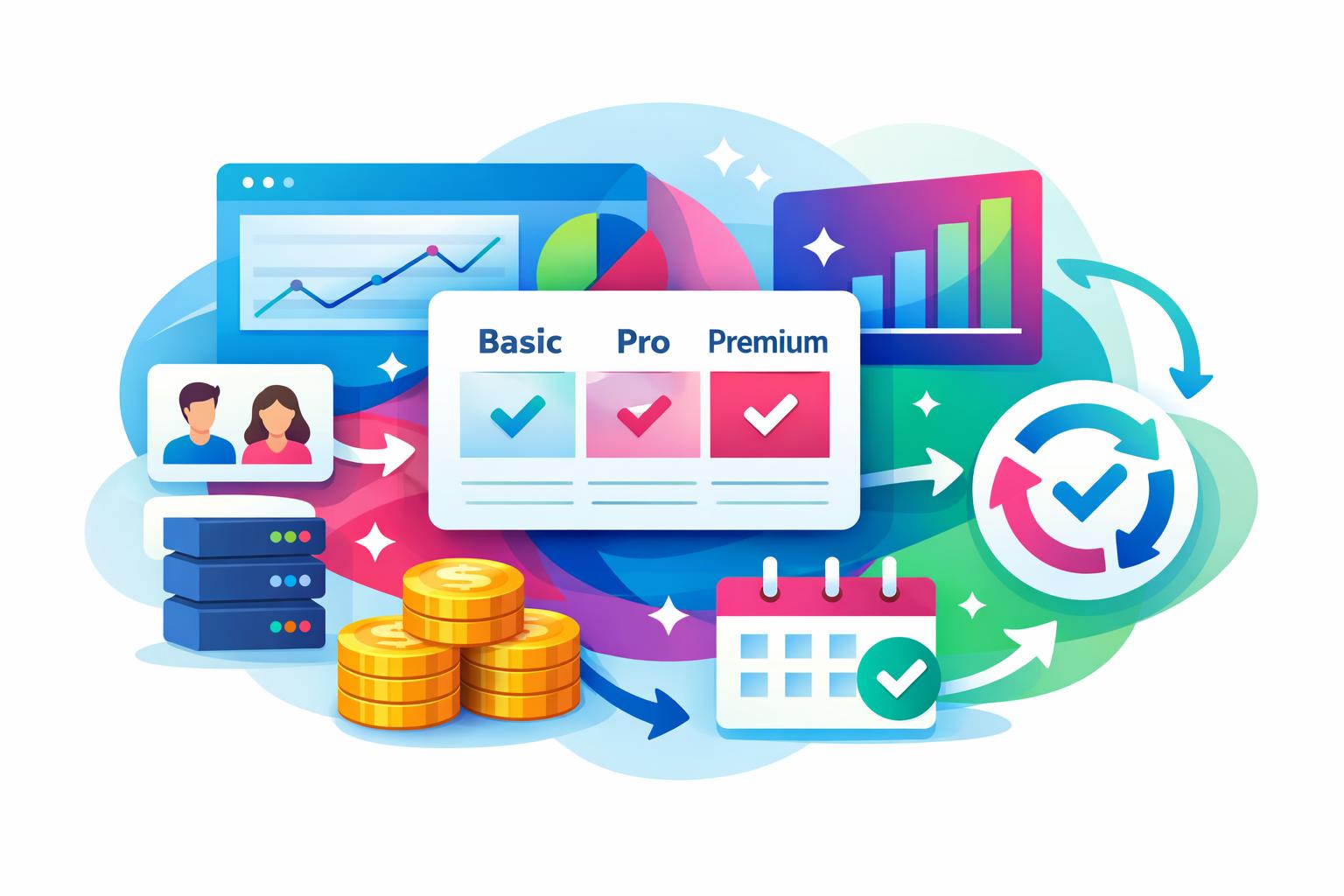
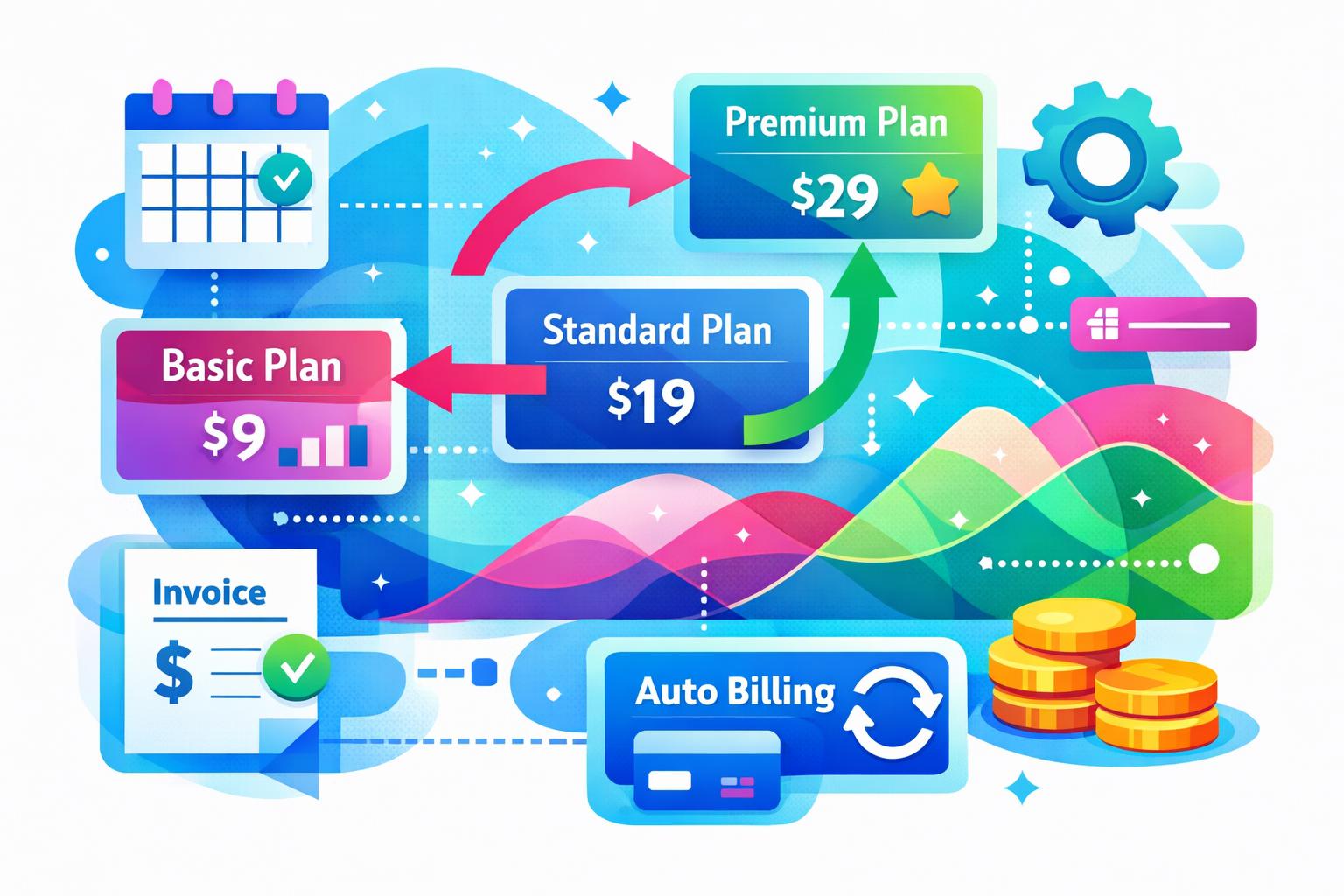
    Modern teams rely on predictable revenue and consistent experiences to scale effectively. Managing subscriptions and implementing recurring billing is at the heart of this reliability. Yet, as multiple pricing tiers, upgrades, and renewals come into play, the process quickly becomes complex. This complete guide walks you through how to design a smart recurring billing system, optimize subscription management, and leverage automation tools to make the entire customer lifecycle—from sign-up to renewal—effortless and data-driven.

    Setting Up Recurring Billing the Smart Way

    A successful recurring billing system rests on three pillars: automation, flexibility, and visibility. Automation ensures renewals happen without manual input, reducing delays and errors. Configure your billing platform to manage free-to-paid transitions, proration, and discounts seamlessly. For instance, SaaS businesses or subscription box services rely on automated invoicing to maintain consistency across diverse subscription models.

    To build flexibility, go beyond credit cards and integrate multiple payment channels—digital wallets, ACH transfers, and mobile payment options can make a big difference in accessibility. Platforms using AI-powered retry systems, like those within MainFoundry’s billing tools, maximize payment success rates while lowering involuntary churn. Empowering customers to skip, reschedule, or speed up deliveries directly from their reminders strengthens retention through added convenience.

    Visibility closes the loop by bringing subscription, billing, and customer data together. A unified dashboard—such as those available through MainFoundry’s finance management suite—lets teams monitor performance in real-time. With a single source of truth, forecasting becomes more accurate, and engagement more personalized. When teams have this full-picture context, they can better anticipate customer needs and ensure renewals happen like clockwork.

    “When automation, flexibility, and visibility work together, recurring billing becomes a strategic growth engine rather than a back-office function.”

    Managing Subscriptions for Long-Term Retention

    Once your billing system is in motion, effective subscription management becomes the foundation for long-term retention. The key is balancing customer independence with proactive data insights. Give users control to pause, upgrade, or adjust their plans through intuitive self-service portals—features easily enabled with MainFoundry’s custom workspaces. When customers can manage their accounts effortlessly, satisfaction climbs and cancellations drop.

    Equally crucial is acting on early signals of churn. Monitor engagement metrics like login frequency, usage dips, or billing downgrades to predict attrition before it happens. By integrating analytics with CRM data, you can automate responses—such as sending personalized renewal offers—to maintain customer loyalty. Tools like MainFoundry’s AI platform take this further by flagging at-risk accounts and triggering tailored outreach campaigns.

    Pro Tip: Treat every renewal as a chance to strengthen value perception—remind customers not just what they pay, but what they gain.

    Your subscription lifecycle spans multiple stages—tracking, renewing, upgrading, and even cancellation—and each stage benefits from automation designed for precision and consistency.

    • Generate accurate usage and revenue reports regularly to identify performance shifts.
    • Automate renewal reminders and incentives for continued loyalty.
    • Ensure upgrades or downgrades happen transparently—with clear cost breakdowns.
    • Connect customer data with support insights to enhance retention efforts.
    • Gather cancellation feedback to refine future offerings and improve satisfaction.

    With the right tools, retention shifts from reaction to foresight—turning potential churn events into long-term relationships.

    Key Takeaways

    Managing subscriptions effectively means striking the right balance between automation and personalization. With integrated systems, teams can reduce manual tasks, detect churn signals early, and drive predictable growth. Here are the core lessons to remember:

    • Automate billing cycles to minimize human error and maintain consistent renewals.
    • Offer flexible payment and retry options that cut involuntary churn.
    • Centralize subscription and CRM data for an integrated view of customer health.
    • Enable self-service portals that empower customers to manage subscriptions effortlessly.
    • Use analytics-driven insights to turn churn risks into opportunities for engagement.

    If your business is ready to simplify and scale subscription operations, explore how MainFoundry’s finance management tools unify billing automation, analytics, and retention support in one streamlined platform. For more details, connect with the team at mainfoundry.com/contact.

  • Trin for trin guide til professionel fakturering

    Trin for trin guide til professionel fakturering

    At udstede en faktura lyder måske simpelt, men for mange små virksomheder og selvstændige er det selve fundamentet for en sund økonomi. En korrekt og velstruktureret faktura gør ikke kun din virksomhed mere troværdig – den sikrer også, at du får betaling til tiden. I denne guide lærer du, hvordan du opretter en faktura trin for trin, hvilke oplysninger der skal med, og hvordan digitale værktøjer som MainFoundry’s økonomimodul kan optimere hele processen.

    Fra manuel til digital fakturering

    Når du starter som selvstændig, kan du sagtens lave dine fakturaer i Word eller Excel. Det giver fleksibilitet og kontrol, men kræver, at du selv håndterer fakturanumre, momsberegning og layout. Denne manuelle metode fungerer fint i begyndelsen, men kan hurtigt blive uoverskuelig, når kundebasen vokser, og flere fakturaer skal håndteres.

    Derfor vælger mange en digital løsning. Et faktureringsprogram automatiserer processen – fra oprettelse til udsendelse. Typisk foregår det ved, at du åbner modulet “Salg” eller “Fakturering”, vælger kunden, tilføjer produkterne eller ydelserne, og derefter sender fakturaen direkte via e-mail. Moderne systemer holder styr på moms, betalingsdatoer og fakturanumre, så du undgår fejl.

    “Digitale fakturasystemer eliminerer dobbeltarbejde og giver fuldt overblik over din økonomi i realtid.”

    Bruger du en løsning som MainFoundry’s økonomimodul, bliver fakturaer automatisk koblet til kunde- og abonnementsdata. Det betyder mindre administration, færre fejl og et hurtigere workflow, hvor betalingsovervågning og rapportering er integreret i samme platform.

    Hvilke oplysninger skal en professionel faktura indeholde?

    For at overholde lovkrav og fremstå professionel skal enhver faktura indeholde klare og præcise oplysninger. Det gælder uanset, om du sender fakturaen manuelt eller gennem et program. Sørg for, at både din og kundens kontaktinformation står tydeligt, sammen med fakturanummer, dato og betalingsbetingelser. Momsbeløb og totalpris skal angives korrekt, og betalingsoplysninger som bankkonto eller MobilePay skal være lette at finde.

    • Udsteders og kundens navn samt adresse
    • Fakturanummer og -dato i fortløbende rækkefølge
    • Beskrivelse af varer eller ydelser med pris, mængde og eventuelle rabatter
    • Samlet pris inklusive eventuel moms og betalingsbetingelser
    • Betalingsinformationer og CVR-nummer, hvis relevant

    Digitale værktøjer gør det nemt at sikre, at alle felter er udfyldt korrekt. Når du anvender platforme som MainFoundry, genereres fakturaer automatisk med dine kundedata, momsoplysninger og bankinformationer. Disse kan gemmes som PDF og sendes direkte – helt uden manuelt indtastningsarbejde.

    Sådan sender og opbevarer du fakturaer korrekt

    Når fakturaen er klar, skal den sendes – helst elektronisk for hurtigere behandling og færre fejl. Offentlige kunder kræver dog EAN-fakturaer i OIOUBL-format, så husk at kontrollere, at kunden er registreret i NemHandelsregistret. Gem altid dine fakturaer i mindst fem år, som loven foreskriver, enten digitalt eller fysisk.

    Pro Tip: Brug et online faktureringssystem med automatisk arkivering og revisionsspor – det giver dig sikkerhed, overblik og nem adgang til historik på tværs af år.

    Et integreret system, hvor fakturering, betalingsovervågning og rapportering er samlet, gør forskellen, når du vil have kontrol over virksomhedens økonomi. Med MainFoundrys økonomimodul kan du fx se nøgletal som MRR, NRR og churn – uden at hoppe mellem flere apps.

    Vigtige takeaways og næste skridt

    Professionel fakturering handler ikke kun om formalia – det er en afspejling af din virksomheds struktur og pålidelighed. Ved at kombinere et klart layout, korrekte oplysninger og digitale værktøjer sparer du tid og reducerer fejl. Husk at sende fakturaer elektronisk, arkivere systematisk og udnytte automatiseringens fordele for at skabe en mere effektiv og professionel økonomistyring.

    • Brug digitale faktureringssystemer for hurtigere og mere præcis håndtering
    • Sørg for, at alle lovpligtige oplysninger er med
    • Send fakturaer elektronisk og gem dem sikkert i cloud-løsninger
    • Overvej en integreret platform som MainFoundry for fuld kontrol

    Related Reading

    Læs også vores guide om hvordan du automatiserer din regnskabsføring for yderligere indsigt i digital økonomistyring.

  • Efficient Invoicing and Payment Management Tips

    Efficient Invoicing and Payment Management Tips

    A well-crafted invoice does far more than request payment—it communicates your professionalism and strengthens trust with clients. Whether you’re an independent consultant or managing a small business, understanding how to create an invoice that looks good and gets paid quickly can transform your financial workflow. This guide explores how to structure professional invoices, manage payments efficiently, and take advantage of automation tools like MainFoundry’s finance management system to streamline your billing process from start to finish.

    What Makes an Invoice Professional and Payment-Ready

    A professional invoice is both a brand statement and a legal record. It should include your business details, client information, unique invoice identifiers, and a comprehensive itemized list of services or products. Together, these components give your clients full visibility into what they’re paying for, building confidence and encouraging timely payments.

    Start with your header. Clearly present your business name, logo, contact information, and address. Including your email and phone number ensures accessibility. The next section should contain the client’s billing details for proper recordkeeping. Add the invoice number, issue date, due date, and payment terms such as “net 30 days”—these make tracking simpler and minimize confusion for both sides.

    An itemized breakdown helps clients understand charges at a glance. Use clear descriptions and accurate quantities for each line item. Include taxes, any discounts, and a transparent grand total. While professionalism is key, small touches—like your brand colors or a short note of thanks—can personalize the experience and improve client relationships.

    Many modern systems, such as MainFoundry, simplify the process by automatically generating compliant, on-brand invoices. These platforms handle tax calculations, format consistency, and even payment reminders—removing the need to juggle multiple templates or apps.

    “A clean, structured invoice isn’t just about looking professional—it’s about making payments effortless for your clients.”

    How to Create and Manage Invoices Efficiently

    While manual templates work fine for smaller operations, automation saves time and minimizes errors. Begin by selecting the right tool for your invoicing format. Spreadsheet-based solutions such as Google Sheets or Excel can handle basic layouts, while design tools like Canva or Adobe Express allow you to match your brand aesthetics without coding. For recurring invoices or multi-client setups, automation through MainFoundry’s billing platform ensures all details are stored securely and updated dynamically.

    Once your format is set, double-check that all invoice content—business info, item descriptions, tax rates, and totals—is accurate and complete. Sending invoices as PDF attachments looks polished, but using integrated online systems provides deeper insight. Within MainFoundry’s finance dashboard, for example, you can track invoice opens, set up reminders, and integrate billing data with your CRM or analytics tools.

    Pro Tip: Always verify your payment terms and accepted methods before sending invoices. This ensures clients know exactly how and when to pay.

    After invoices go out, structured payment management becomes crucial. Make sure clients see due dates clearly, and follow up politely if payments lapse. Automating reminder messages referencing outstanding balances helps maintain professionalism. MainFoundry’s AI Assistant can even generate these reminders automatically and produce monthly receivables summaries—giving you real-time visibility and freeing you from manual tracking.

    Key Takeaways

    • Include business identifiers, itemized details, totals, and terms to craft a complete and clear invoice.
    • Automated invoicing systems save time while reducing data entry errors and missed payments.
    • Regular follow-ups and clear payment options cut down on delays and build trust with clients.
    • Integration between invoicing, CRM, and financial analytics simplifies cash flow management.
    • Unified tools such as MainFoundry’s finance management system centralize billing, tracking, and payment insights.

    Understanding how to create an invoice is the foundation of a sustainable business system that encourages prompt payments and enhances client satisfaction. To unify invoices, payments, and customer records, visit MainFoundry or contact our team to discover automation tools that simplify every stage of your payment cycle.

  • Lead Tracking and CRM Workflows that Drive Sales

    Lead Tracking and CRM Workflows that Drive Sales

    Tracking leads effectively is more than just collecting contacts—it’s about understanding where prospects come from, what they need, and how they engage through the buying journey. Without a clear workflow, opportunities can easily slip away or be lost in scattered spreadsheets. This guide explains how to set up **lead tracking workflows** that actually work, leveraging segmentation, automation, and integrated tools like MainFoundry to centralize CRM, marketing analytics, and AI-driven insights—all in one streamlined platform.

    Setting Up a Lead Tracking Workflow That Actually Works

    Building an effective workflow begins with **consistent data capture**. Every time someone interacts with your business—through forms, chatbots, or sign-up pages—they should leave enough information to help identify acquisition sources and patterns. Platforms such as MainFoundry’s CRM workspace automatically enriches contact records with company and domain details, helping your team avoid manual updates and focus on meaningful interactions.

    Adding **UTM parameters** to links gives immediate clarity on where leads originated. These identifiers connect seamlessly with integrated marketing analytics dashboards, enabling accurate campaign attribution. Rather than guessing which ad produced the conversion, you’ll see how each channel contributes to new opportunities over time.

    Once leads are captured, structure becomes essential. Categorizing funnel stages—such as *new lead*, *engaged*, and *ready for demo*—creates clarity across departments. Implement **lead scoring** systems that combine behavioral signals like email clicks or webinar registrations with demographic data like industry fit. High-scoring contacts can automatically transition into Marketing Qualified Leads (MQLs), streamlining handoffs to sales and improving conversion rates.

    “When your CRM connects the dots between engagement signals and business context, lead tracking becomes proactive rather than reactive.”

    Automation is the backbone of efficient nurturing. With **automated email sequences**, timely reminders, and AI-driven prompts, you can ensure every potential customer receives personalized follow-ups. Tools like MainFoundry’s AI Assistant can adapt messages based on recent actions, such as attending a webinar or downloading content, helping teams maintain engagement at scale.

    Optimizing Tools and Strategies for Lead Tracking Success

    The goal of strong lead tracking is **visibility and consistency**. Centralizing every interaction in one system eliminates fragmented data and aligns sales and marketing priorities. On platforms like MainFoundry, shared access ensures both teams can respond faster and adjust messaging based on behavior trends.

    • Centralize lead details within one CRM for unified insight and faster collaboration.
    • Segment audiences by actions such as form submissions or event attendance to enhance targeting.
    • Monitor conversion rates in real time through dashboards that visualize funnel performance.
    • Integrate financial tracking via billing dashboards to connect marketing spend directly to revenue.
    • Use AI for predictions and task automation to ensure each follow-up happens at precisely the right time.

    Unified lead tracking turns fragmented data into actionable visibility—helping teams predict, personalize, and convert with confidence.

    Key Takeaways

    • Treat **lead tracking** as an ongoing visibility process that informs every stage of the buyer journey.
    • Combine analytics, CRM data, and automation to ensure consistent scoring and nurturing.
    • Create structured workflows with clear stages and scoring for personalized engagement.
    • Unify all data streams under one platform to minimize friction between marketing and sales teams.
    • Explore MainFoundry’s all-in-one business platform to see how connected workflows turn leads into measurable growth.

    Related Reading

    Check out how integrated marketing dashboards improve attribution for more insights on optimizing lead visibility.

  • Kom godt i gang med CRM-software

    Kom godt i gang med CRM-software

    At implementere et CRM-system kan forandre din virksomheds måde at håndtere kunder på – fra fragmenterede regneark til et samlet og datadrevet overblik. Et CRM (Customer Relationship Management) samler kundeinformation, styrker relationer og skaber et fælles grundlag for vækst. Denne guide viser dig, hvordan du vælger den rette CRM-løsning, forankrer brugen i organisationen og udnytter potentialet i moderne værktøjer som MainFoundry CRM til at integrere kunder, data og økonomi i én samlet platform.

    Hvorfor CRM er fundamentet for moderne forretningsrelationer

    Et CRM-system samler alle kundeoplysninger ét sted og giver et 360-graders overblik over kunderejsen. Det handler ikke kun om kontaktlister, men om at forstå hele relationen – fra første interaktion til langsigtet samarbejde. Ved at centralisere data fra emails, møder, kampagner og økonomi sikrer du, at beslutninger tages på baggrund af viden frem for mavefornemmelser.

    Virksomheder, der arbejder struktureret med CRM, oplever ofte øget kundetilfredshed og mere effektivt salg. Med platforme som MainFoundry kan du gå skridtet videre og samle kunde- og marketingdata med økonomifunktioner i ét værktøj, så hele kundelivscyklussen håndteres problemfrit – fra første kontakt til fakturering.

    “Et CRM bringer mennesker, processer og data sammen – og bliver hurtigt virksomhedens nervecenter for kundeoplevelse og vækst.”

    Sådan kommer du i gang med CRM i virksomheden

    Succesfuld CRM-adoption starter med den rette forberedelse. Vælg mellem cloud-baseret eller lokal installation, vurder dine behov og sørg for, at hele teamet forstår værdien af systemet. Det handler ikke kun om funktioner, men om at skabe en kultur for datadrevet samarbejde og kontinuerlig læring.

    De fleste vælger i dag et cloud-baseret CRM, hvor data lagres sikkert online, hvilket muliggør adgang fra hvor som helst. Løsninger som MainFoundry CRM synkroniserer automatisk emails, møder og kontakter, så alle arbejder på opdaterede data uden kompleks opsætning.

    Pro Tip: Kortlæg dine eksisterende processer, inden du vælger CRM. Overvej hvordan salg, marketing og kundeservice kan blive mere integreret – ikke kun digitaliseret.

    Når du implementerer systemet, bør du prioritere træning og opfølgning. Hvert team skal forstå, hvordan CRM’et støtter deres daglige arbejde. Hos MainFoundry hjælper en indbygget AI Assistent brugerne ved at foreslå næste handlinger eller opfølgninger, hvilket gør adoptionen mere intuitiv og engagerende.

    Sørg endelig for, at dit CRM integreres med økonomi og fakturering. En integration med MainFoundrys faktureringsmodul betyder, at salgs- og finansafdelinger arbejder ud fra de samme data, hvilket reducerer fejl og giver hurtigere likviditetsoversigt.

    Fordelene ved at arbejde aktivt med CRM

    Når CRM bruges konsekvent i organisationen, bliver det et strategisk værktøj, der styrker samarbejde, effektivitet og kundetilfredshed. Et velfungerende system samler aktiviteter, data og dialoger på tværs af afdelinger og skaber et fælles sprog for kundehåndtering.

    • Forbedret kundeoplevelse med fuldt overblik over kontakt- og købsdata
    • Bedre samarbejde mellem salg, marketing og support gennem delte dashboards
    • Højere produktivitet via automatiske påmindelser og dataopdateringer
    • Fokuseret salgsindsats på de mest lovende leads
    • Større indsigt og bedre beslutninger baseret på rapportering og analyser

    I MainFoundry kan du bruge aktivitets­tidslinjer til at se hele kundehistorikken og lade AI’en opsummere vigtigste interaktioner før et møde – hvilket både sparer tid og sikrer, at alle samtaler bliver mere målrettede.

    Key Takeaways

    Et CRM-system er mere end teknologi – det er fundamentet for stærkere kunderelationer, højere effektivitet og bæredygtig vækst. Når du kombinerer et fleksibelt system med god procesforståelse og træning, bliver det en naturlig del af virksomhedens DNA. Sørg for at vælge en platform, der vægter sikkerhed og compliance lige så højt som brugervenlighed.

    Vil du samle kundedata, marketing og økonomi ét sted? Læs mere om, hvordan MainFoundry CRM hjælper virksomheder med at skabe sammenhæng mellem relationer, salgsaktiviteter og vækst på mainfoundry.com.

  • CRM Best Practices for Getting Started

    CRM Best Practices for Getting Started

    Choosing and implementing the right CRM software can redefine how your business manages customer relationships, sales, and collaboration. Yet the process can feel intimidating without a structured approach. This step-by-step guide explains how to successfully get started with a CRM system—covering everything from goal-setting and platform selection to training and optimization—so your team can achieve measurable results faster. Along the way, you’ll see how MainFoundry’s CRM simplifies the journey with a unified approach to data, operations, and insight.

    Laying the Foundation for CRM Success

    Before adopting any tool, it’s critical to define why your business needs a CRM. Whether your goals involve improving lead tracking, reducing manual work, or boosting conversions, clear objectives ensure you implement with purpose. Involve sales, marketing, and operations teams to gather insights into pain points and desired outcomes, then translate those into measurable targets like faster deal closure or improved response times.

    Next, formalize your plan. Build a roadmap that outlines roles, responsibilities, and success metrics. A unified workspace, such as MainFoundry’s custom workspaces, offers visibility into early milestones, keeping everyone aligned as configuration moves forward.

    Choosing the right platform is the next major decision. Consider the system’s scalability, integration capabilities, and ease of use. Smaller teams may value simplicity and fast setup, while larger organizations focus on automation and analytics for deeper insights. With MainFoundry’s marketing analytics and finance modules connected from the start, teams get a complete perspective on performance without worrying about data silos.

    Configuration, Launch, and Continuous Improvement

    Once your team selects a platform, configure it to mirror real workflows. Create custom fields, set user roles, and design sales pipelines that reflect actual processes. Keep it lean—start with essentials and iterate. MainFoundry CRM supports intuitive customization and integrates seamlessly with tools like Outlook, ensuring automated sync between messages and meetings.

    A structured data migration is equally vital. Validate and clean your existing records, then import them gradually while monitoring for consistency. Platforms that include guided import and auditing tools—such as MainFoundry—simplify this process while maintaining security and traceability. This careful approach prevents corruption and preserves data trustworthiness.

    “CRM adoption succeeds when strategy and execution evolve together—technology is only as effective as the habits built around it.”

    Prior to full rollout, run realistic testing scenarios across departments to examine usability, accuracy, and automation triggers. Training sessions should focus on everyday tasks such as logging deals, managing follow-ups, and generating reports. Within MainFoundry’s AI platform, integrated guidance helps users handle questions directly in-app, minimizing onboarding friction.

    After launch, CRM optimization becomes a continuous practice. Monitor usage rates, track KPIs such as response times and deal creation, and gather frequent feedback. AI-driven insights built into MainFoundry automatically flag trends or inefficiencies, enabling faster strategic adjustments and sustained growth. With ongoing refinement, your CRM evolves from a tracking tool into a genuine decision-making engine.

    Key Takeaways

    • Start with clear business goals and secure team alignment before selecting a tool.
    • Choose a CRM that aligns with your scale, workflows, and integration needs.
    • Maintain data accuracy through careful migration and iterative testing.
    • Drive user adoption with practical training and role-based workflows.
    • Continuously analyze and optimize processes to unlock CRM’s full business impact.

    Related Reading

    Explore how unified platforms transform operations in MainFoundry’s CRM overview or contact the team to tailor a workspace to your specific goals.

  • Effektive metoder til at måle og forbedre kundetilfredshed

    Effektive metoder til at måle og forbedre kundetilfredshed

    Kundetilfredshed er en af de mest afgørende målepunkter for enhver virksomheds sundhed. Det handler ikke blot om et tal på en rapport, men om, hvor loyale dine kunder er, og hvor stærkt dit brand står i markedet. Denne artikel viser, hvordan du kan måle kundetilfredshed gennem metoder som CSAT, CES, NPS og CSI – og hvordan du kan omsætte data til strategiske forbedringer, der styrker kundeoplevelsen og skaber vækst. Du får både praktiske metoder og eksempler på, hvordan systematisk opfølgning kan gøre kundetilfredshed til din virksomheds konkurrencefordel.

    Hvordan du måler kundetilfredshed effektivt

    At måle kundetilfredshed giver indblik i, hvor godt dine produkter og processer møder kundernes forventninger. De mest anvendte målemetoder — CSAT, CES, NPS og CSI — giver hver deres unikke perspektiv på tilfredshed, oplevelse og loyalitet. Valget afhænger af, hvad du vil evaluere: en specifik oplevelse, effektivitet, relation eller samlet brandopfattelse.

    CSAT (Customer Satisfaction Score) spørger direkte kundens tilfredshed med en oplevelse, typisk på en skala fra 1 til 5 eller 1 til 10. Det giver hurtige “snapshots” efter hændelser som køb eller support. CES (Customer Effort Score) måler, hvor nemt det var at få hjælp eller udføre en handling, og lavere indsats er lig med større loyalitet. NPS (Net Promoter Score) går et skridt videre og måler villigheden til at anbefale dit brand, mens CSI (Customer Satisfaction Index) samler flere faktorer i et samlet indeks, som ofte bruges til benchmark-analyser i større organisationer.

    Ved at kombinere disse metoder kan du både måle driftseffektivitet og brandloyalitet. Moderne CRM-platforme som MainFoundry CRM samler feedback og kommunikation ét sted – hvilket gør det enkelt at analysere kundernes oplevelser på tværs af kanaler og opdage mønstre over tid.

    “Effektiv måling af kundetilfredshed handler ikke kun om tal – det handler om at omsætte indsigter til beslutninger, der forbedrer relationer og oplevelser.”

    Fra måling til forbedring: sådan omsætter du kundedata til handling

    At indsamle feedback er kun starten. Den egentlige værdi opstår, når du segmenterer data, sammenligner over tid og handler strategisk. Hvis du fx ser lav tilfredshed i din support men høj ved levering, ved du, hvor indsatsen skal ligge. Hurtig reaktion på utilfredshed er afgørende for at bevare goodwill og bruge feedbacken som læringskilde. Med platforme som MainFoundry kan opfølgninger tildeles automatisk, og teams får klare ansvarsområder, så ingen kundestemmer går tabt.

    Derudover giver AI-drevne samtaleanalyser et dybere indblik end klassiske spørgeskemaer. Ved at bruge Call Intelligence fra MainFoundry kan du identificere mønstre i kunders frustrationer eller ros og øjeblikkeligt omsætte dem til handlingspunkter. Det betyder, at du løbende kan forbedre processerne og styrke relationerne på baggrund af konkrete data.

    Når du har sat forbedringsprojekter i gang, bør du også løbende spore udviklingen. Et stigende NPS-tal eller faldende churn-rate er klare indikatorer på, at din kundeoplevelse styrkes. Ved at integrere økonomiske nøgletal og feedback i ét samlet workspace – som MainFoundry Workspaces – kan du forbinde kundedata direkte til omsætning og beslutningstagning.

    • Mål kundetilfredshed regelmæssigt for at reagere hurtigt på ændringer
    • Del feedback internt for at sikre læring på tværs af teams
    • Udpeg konkrete forbedringsprojekter baseret på segmenterede data
    • Gentag målinger for at validere effekt og skabe kontinuerlig forbedring

    Pro Tip: Brug automatiserede CRM-workflows til at sikre, at kundefeedback fører direkte til opgaver – det øger både reaktionsevnen og kundetilliden.

    Centrale pointer og næste skridt

    Kundetilfredshed er mere end et måltal — det er et strategisk værktøj, der skaber kobling mellem data, kultur og handling. Når måling kombineres med forbedringsarbejde, skabes en løkke af læring og loyalitet, som styrker hele virksomheden.

    • Måling uden handling er spild af indsats – involvér alle teams i at reagere på data
    • Tværgående samarbejde er nøglen til helhedsindsigt – brug fælles mål og dashboards
    • Teknologisk integration forstærker indsigten – kobling af CRM, marketing og analyseværktøjer gør beslutninger datadrevne

    Ved at anvende en datadrevet tilgang, reagere hurtigt på feedback og implementere forbedringer på tværs af organisationen, kan du forvandle tilfredse kunder til loyale ambassadører. Ønsker du at dykke dybere ned i, hvordan MainFoundry understøtter CRM, marketinganalyse og automatiseret kundefeedbackstyring, kan du læse mere på www.mainfoundry.com.

  • Sådan optimerer du din salgstragt med CRM

    Sådan optimerer du din salgstragt med CRM

    En velfungerende salgstragt er hjertet i enhver effektiv salgsproces. Den visualiserer kundernes rejse fra det første møde med dit brand til det endelige køb – og i bedste fald loyalitet. Denne artikel dykker ned i, hvordan du forstår og optimerer de vigtigste faser i salgstragten, så du kan konvertere flere leads, styrke kundetilliden og skabe langsigtet vækst. Vi gennemgår både struktur, analyse og automatisering – med konkrete metoder og værktøjer som MainFoundry til at samle data, marketing og salg på ét sted.

    Forstå salgstragtens faser

    En klassisk salgstragt er baseret på AIDA-modellen – Awareness, Interest, Desire, Action – som viser, hvordan relationer udvikles fra første kontakt til køb. Hver fase har sit eget formål og kræver forskellig kommunikation og indhold for at lede kunden videre i beslutningsprocessen.

    Opmærksomhedsfasen (Top of Funnel / ToFu) handler om synlighed og rækkevidde. Du skal vække interesse gennem annoncer, sociale medier, søgeordsoptimering eller webinarer, og det er vigtigt at måle, hvilke kanaler der driver kvalificeret trafik, ikke blot volumen. At forstå, hvor opmærksomheden kommer fra, gør det muligt at skalere de mest effektive kilder.

    Interessefasen (Middle of Funnel / MoFu) fokuserer på at engagere potentielle kunder, der begynder at udforske dit produkt. Det kan være via download af e-bøger, tilmelding til nyhedsbreve eller deltagelse i events. Ved hjælp af CRM‑integration kan du segmentere leads, vurdere deres købssandsynlighed og tilpasse dialogen til deres behov.

    Beslutningsfasen (Desire) drejer sig om tillid og overbevisning. Her skal du tilbyde casestudier, demoer og analyser, der hjælper kunden med at forstå værdien af din løsning. Det er ikke et spørgsmål om at presse salget, men om at give indsigt, så beslutningen bliver naturlig og logisk.

    Handlingsfasen (Bottom of Funnel / BoFu) er, hvor købet effektueres. Automatisering spiller her en central rolle. I systemer som MainFoundry kan du opsætte salgs‑pipelines, der automatisk opdaterer status, værdi og næste trin. Det sikrer, at ingen muligheder falder mellem to stole og at salgsprocessen forbliver effektiv hele vejen til afslutning.

    “Når salgstragten anvendes strategisk, bliver den et styringsværktøj, ikke blot en model. Det giver bedre forståelse for, hvad der faktisk driver dine kunder.”

    En ofte overset “ekstra fase” er efterkøbsfasen, hvor onboarding, support og fortsat værdikommunikation skaber loyalitet og reducerer churn-rate. Dette efterløb kan være afgørende for gentagne køb og stærke kunderelationer.

    Sådan optimerer du din salgstragt

    At forstå faserne er kun det første skridt – det er i optimeringen, at værdien skabes. Du bør betragte salgstragten som et aktivt styringsværktøj, der måler, hvor leads falder fra, og hvordan processerne kan forbedres på baggrund af data. Hver fase skal have sine egne KPI’er – rækkevidde, kvalificering og konvertering – så du ved præcis, hvor indsatsen bør forstærkes.

    For hver 10 leads i toppen af tragten, kan du forvente at lukke ét salg i bunden – hvis du optimerer hele kæden.

    Det klassiske forhold mellem pipeline‑størrelse og succesrate gør det muligt at forudsige resultater og allokere ressourcer strategisk. Dashboard‑værktøjer giver dig overblik over pipeline‑størrelse, gennemsnitlig cyklustid og tabte deals – alt sammen værdifuld indsigt til justering af salgsindsatsen.

    For at øge hastighed og præcision bør du tilføje automatisering, herunder marketing automation og intelligente e‑mail‑flows, der plejer leads med relevant indhold. Platforme som MainFoundry forbinder CRM, marketing og økonomidata, så du i ét samlet system kan se, hvor dine indsatser giver størst afkast.

    Pro Tip: Hold din database ren og opdateret. AI‑assistenter kan automatisk opsummere møder, identificere næste trin og foreslå opfølgninger, hvilket frigør tid og øger nøjagtigheden.

    Salgstragten bør aldrig ses som en statisk model. Justér eller omdøb trin, så de afspejler din virksomheds reelle proces. For komplekse B2B‑salg, hvor beslutningskæderne er lange, kan tilføjelse af stadier som “kvalificering” eller “undersøgelse” gøre data mere præcise og teamsamarbejdet mere målrettet.

    Key Takeaways

    • En salgstragt gør kunderejsen målbar og struktureret.
    • Tilpas indhold og CTA’er efter, hvor kunden befinder sig i processen.
    • Brug data og pipeline‑analyser til at identificere flaskehalse.
    • Automatisér opgaver og opfølgninger for at øge tempo og præcision.
    • Integrér CRM‑, marketing‑ og økonomidata i én platform for fuldt overblik.

    Related Reading

    Læs også vores guide om CRM og marketingintegration for at lære, hvordan samlet dataforståelse kan styrke din salgsproces.

  • CRM Strategies to Strengthen Your Sales Funnel

    CRM Strategies to Strengthen Your Sales Funnel

    Every purchase begins with awareness and ends—ideally—with loyalty. Understanding the **sales funnel** gives your business a clear framework for guiding prospects through every stage of that journey. From building initial interest to nurturing repeat customers, an effective funnel helps you forecast revenue, align marketing and sales, and optimize conversion points. In this post, you’ll discover how each funnel stage works, why cross-team collaboration is critical, and how unified tools like MainFoundry’s CRM and marketing platform simplify the process from outreach to retention.

    Mapping the Sales Funnel: From Awareness to Loyalty

    A well-structured funnel outlines how potential customers move from **awareness** to **purchase**, and ideally, to repeat engagement. This not only clarifies your customer journey—it also sets measurable checkpoints for each stage of progress.

    Awareness is the moment prospects first discover your brand. They might encounter your business through organic content, ads, referrals, or events. The goal is exposure—showing up where they already are and offering value before expecting engagement. Using analytics from MainFoundry’s marketing dashboard helps identify which channels drive high-quality leads.

    Interest follows when prospects begin exploring how your company can solve their challenges. Educational materials such as webinars, guides, or case studies build credibility. Here, the CRM becomes indispensable—features like MainFoundry’s Activity Timeline and contact enrichment ensure every touchpoint is visible and actionable across teams.

    Desire develops as leads evaluate options. They compare value, ROI, and reliability, often narrowing choices to just a few. Sales teams can leverage personalized demos or success briefs to strengthen the match between solution and need. Consistency between marketing messaging and sales presentations at this stage builds trust.

    Action marks the conversion—signing a contract, making a purchase, or joining a subscription. Reducing resistance is key: straightforward proposals, transparent terms, and automatic billing through MainFoundry’s invoicing feature can help finalize deals faster.

    Loyalty completes the funnel—though in many ways, it begins a new cycle. Following up with personalized updates, onboarding, and education transforms one-time buyers into long-term advocates. Automation tools inside MainFoundry’s custom workspaces help teams nurture engagement seamlessly.

    “A well-managed sales funnel doesn’t end with a sale—it begins a relationship built on value and trust.”

    Aligning Marketing and Sales for a Healthier Funnel

    When marketing and sales operate on shared data and priorities, the sales funnel flows more naturally. Marketing can identify high-potential leads, while sales can share feedback to refine targeting. This synergy increases efficiency at every stage, from engagement through conversion.

    A unified platform such as MainFoundry synchronizes marketing events, CRM activity, and billing performance into one integrated view. Teams can track which campaigns move leads forward, which interactions stall progress, and where personalization can improve outcomes. This shared visibility eliminates silos and ensures decision-making is based on complete, real-time insight.

    Pro Tip: Use combined CRM and marketing analytics to pinpoint exactly where prospects drop off in your funnel. Tailor follow-ups to those friction points for better conversion rates.

    Key Takeaways

    • The **sales funnel** maps the journey from awareness through loyalty, providing structure for nurturing leads effectively.
    • Alignment between marketing and sales ensures smoother transitions and more accurate forecasting.
    • Tracking stage-by-stage conversion metrics highlights where processes can be optimized.
    • Automation can accelerate efficiency, but personal connection still drives lasting loyalty.
    • Unified systems like MainFoundry bring CRM, marketing, and billing together to elevate every step of the funnel.

    Related Reading

    Discover how integrated tools simplify customer management in MainFoundry’s all-in-one business platform, or connect with our team at MainFoundry Contact to streamline your funnel from awareness to renewal.

  • Optimizing Sales Funnel Stages for Growth

    Optimizing Sales Funnel Stages for Growth

    A well-structured sales funnel is the backbone of sustainable business growth. It charts how potential customers evolve from initial awareness to loyal advocacy, allowing you to measure and optimize each interaction along the way. This post breaks down the major sales funnel stages, reveals how to identify conversion bottlenecks, and shows how integrated solutions like MainFoundry’s CRM and Marketing suite can help streamline every step from first contact to renewal.

    Understanding the Stages of the Sales Funnel

    A typical sales funnel moves through six phases: Awareness, Interest, Evaluation, Decision, Action, and Loyalty. Each one narrows the audience while deepening engagement, helping sales and marketing teams focus efforts strategically. The names may vary by industry, but the goal is the same—guide qualified leads toward committed relationships built on trust and measurable value.

    At the Awareness stage, prospects encounter your brand for the first time through search results, social media, or campaigns. To evaluate performance, marketers should track reach, impressions, and engagement metrics. Using tools like MainFoundry’s marketing analytics dashboard, you can visualize buyer journeys in real time and connect campaign performance directly to conversions, ensuring message resonance translates into leads.

    Next, during the Interest phase, curiosity grows through discovery calls or initial engagement where buyers share their needs. Modern CRMs streamline this process. Systems such as MainFoundry’s allow automatic logging of emails and meetings within a unified timeline view, giving sales teams clarity and context for every conversation.

    At the Evaluation stage, prospects weigh options and expect evidence—personalized demos or industry-specific case studies are common here. Sales teams can harness tools like the AI Assistant to surface insights from past deals, generate proposals, and recommend next actions based on engagement data.

    Throughout the Decision and Action stages, multiple stakeholders may finalize terms or approve budgets. To keep collaboration seamless, custom workspaces let teams organize documents, tasks, and progress on a single board. When pipeline updates automatically sync with the CRM, closing deals becomes a frictionless handoff rather than a disconnected process.

    Finally, the Loyalty stage focuses on post-sale engagement—renewals, support, and upsells. With billing and subscription features automated, follow-up reminders and renewal tracking happen seamlessly. This ongoing visibility sustains customer relationships and extends lifetime value.

    “A healthy sales funnel doesn’t end at the sale—it nurtures loyalty that compounds into long-term growth.”

    How to Strengthen Your Sales Funnel Performance

    A strong funnel is one you actively monitor and optimize. Analyzing conversion rates between stages reveals slow points where momentum fades. By tightening those transitions, teams move prospects faster and more efficiently. The best organizations combine structured data tracking with human adaptability, enhancing top-of-funnel awareness and improving bottom-of-funnel close rates through teamwork and automation.

    • Define metrics per stage. Measure awareness via engagement rates and evaluate conversions through deal velocity.
    • Align marketing and sales goals. Shared dashboards eliminate inconsistent qualification standards and confusion.
    • Automate repetitive tasks. Using AI for follow-up emails, reports, and proposals frees your team for high-value work.
    • Visualize pipeline bottlenecks. Workspace boards make delays easy to spot and address quickly.
    • Close the feedback loop. Post-sale insights inform future campaigns and strengthen personalization.

    Pro Tip: Integrate your CRM, marketing analytics, and billing systems to eliminate data silos—the single biggest barrier to accurate funnel insights.

    Key Takeaways

    A successful sales funnel isn’t simply a path to purchase—it’s a blueprint for sustainable growth and operational alignment. By understanding each stage, tracking the right metrics, and automating collaboration, you turn data into action and prospects into repeat customers. For teams looking to unify sales, marketing, and finance workflows, MainFoundry provides everything in one integrated workspace designed for clarity, speed, and efficiency.

    Related Reading

    Explore how MainFoundry CRM enhances customer lifecycle management to complement your funnel strategy.