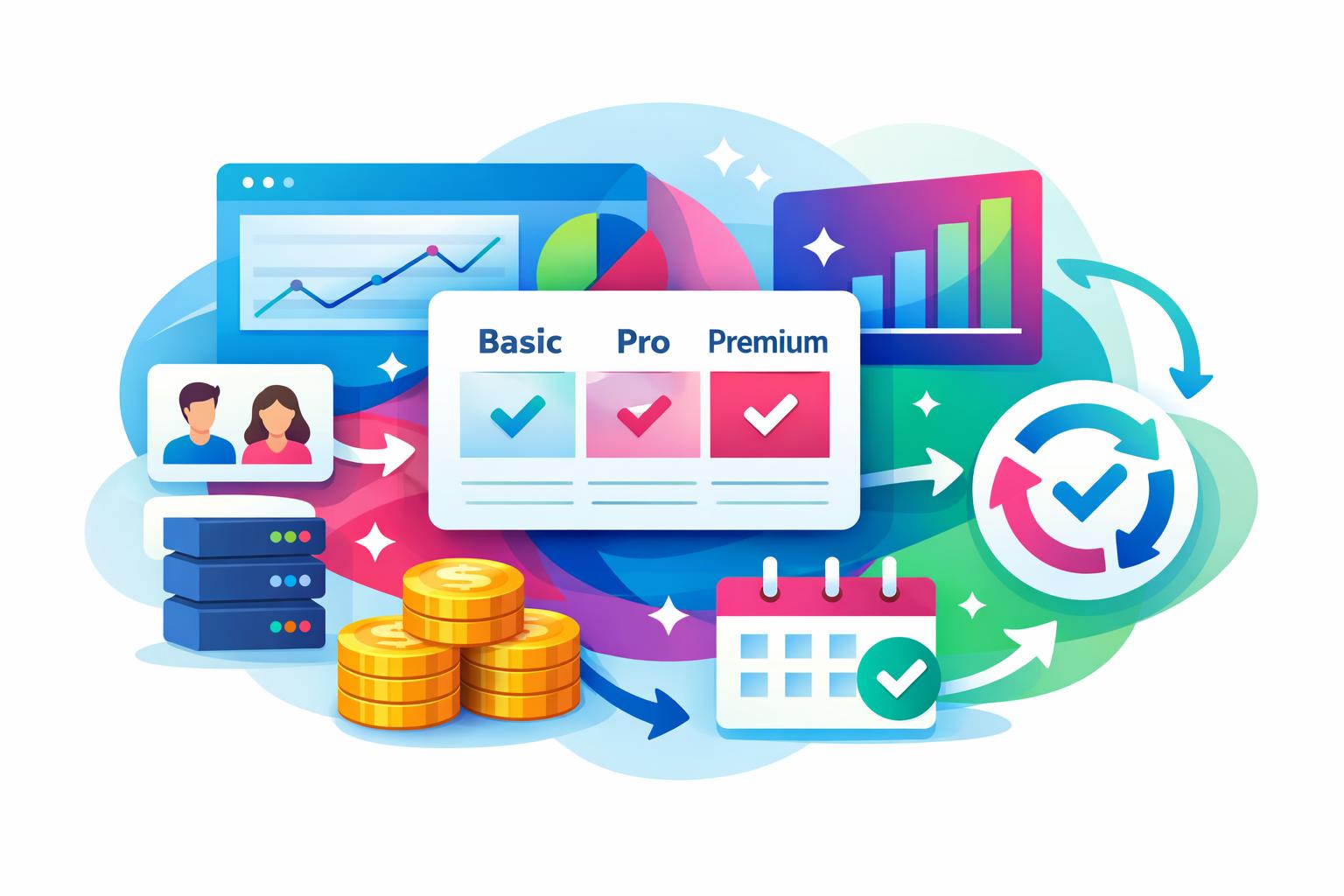
Modern SaaS businesses thrive on predictable revenue and long-term customer relationships—and subscription billing models are central to achieving both. Instead of relying on one-off payments, these models enable ongoing access and continuous engagement. Yet, choosing the right structure isn’t straightforward. This post explores the most effective subscription billing approaches for SaaS growth, from flat-rate simplicity to usage-based flexibility, and how tools like MainFoundry’s billing management system can automate complexity while preserving scalability.
Understanding Subscription Billing in SaaS
At its core, subscription billing shifts SaaS from transactional sales to recurring relationships. Customers pay monthly, quarterly, or annually for continued software access, giving businesses consistent cash flow and deeper engagement. This structure fosters loyalty and financial predictability—a vital combination for any technology venture competing in a dynamic market.
However, while the concept is simple, implementation can quickly grow complex. Managing upgrades, prorated invoices, discounts, and trial periods requires precision. Platforms like MainFoundry’s subscription and billing management automate these processes, enabling SaaS teams to test and scale different pricing models without burdening operations or finance teams.
“Well-structured subscription billing doesn’t just produce invoices—it shapes how value flows between company and customer.”
Choosing the Right Subscription Billing Model
Selecting the best billing model means aligning how users perceive value with how your SaaS earns revenue. Some companies favor clarity through flat-rate billing—a single predictable price for all customers. This straightforward approach suits early-stage tools and simpler services but can limit growth when user bases vary widely in needs and scale.
Others adopt tiered billing, which categorizes plans by usage or feature sets. It’s flexible and adaptive, letting both startups and enterprises find the right fit. Yet, manual invoice management across thousands of accounts can strain resources—automation makes this flexibility sustainable.
If collaboration and team access are central, then per-seat billing may be ideal. Charging per user mirrors actual usage patterns, commonly used by communication platforms and CRMs. Meanwhile, usage-based billing ties cost directly to activity—per API call or gigabyte processed—creating fairness but variable monthly revenue. Many teams stability combine this method with a base rate for predictability.
Pro Tip: Consider hybrid subscription setups that blend flat-rate reliability with usage-driven growth; they help balance predictable income while rewarding high engagement.
With intelligent automation, MainFoundry supports these models seamlessly, managing renewals, expired trials, tax compliance, and prorations behind the scenes—so your team can focus on strategy instead of spreadsheets.
How Subscription Models Shape SaaS Growth
Your subscription structure doesn’t just determine how cash flows—it affects acquisition, retention, and lifetime value. Misaligned pricing leads to churn if customers feel under- or over-served. Conversely, well-calibrated billing can enhance satisfaction and profitability. For instance, flat rates bring stable income but can miss opportunities from power users who’d pay more for premium access. Usage-based or tiered models let customers scale naturally with their evolving needs.
With actionable insights from MainFoundry’s marketing attribution and finance management tools, teams can measure recurring revenue metrics—including MRR and churn—to fine-tune pricing strategies. This data-driven approach transforms speculation into strategic growth planning, helping leaders evolve subscription models with confidence.
Subscription model alignment is one of the most powerful levers for scaling SaaS profitability without sacrificing customer trust.
Key Takeaways
- Match pricing to customer behavior and value perception—not competitors’ strategies.
- Automate billing early using reliable tools like MainFoundry’s billing system to eliminate manual errors.
- Stay flexible with hybrid models that blend stability and growth potential.
- Use subscriptions data and analytics before changing pricing—test decisions before rollout.
- Focus on long-term retention; the right structure creates sustainable SaaS revenue growth.
Related Reading
Explore more strategies in SaaS pricing optimization and marketing analytics for actionable insights into scaling recurring revenue.