Author: Jørgen Wibe

  • AI CRM Data Enrichment for Accurate Company Records

    AI CRM Data Enrichment for Accurate Company Records

    If you’ve ever looked at a CRM record filled with missing fields and vague details, you know how frustrating unreliable company data can be. Missing size, outdated contacts, or unclear industries slow down decision-making and clutter workflows. This article explores how to use AI to enrich company data directly within your CRM, boosting accuracy, scalability, and value across sales, marketing, and operations. You’ll learn how modern AI systems fill data gaps, which attributes matter most, and how platforms like MainFoundry CRM make enriched data instantly actionable.

    How AI enrichment fills CRM gaps reliably

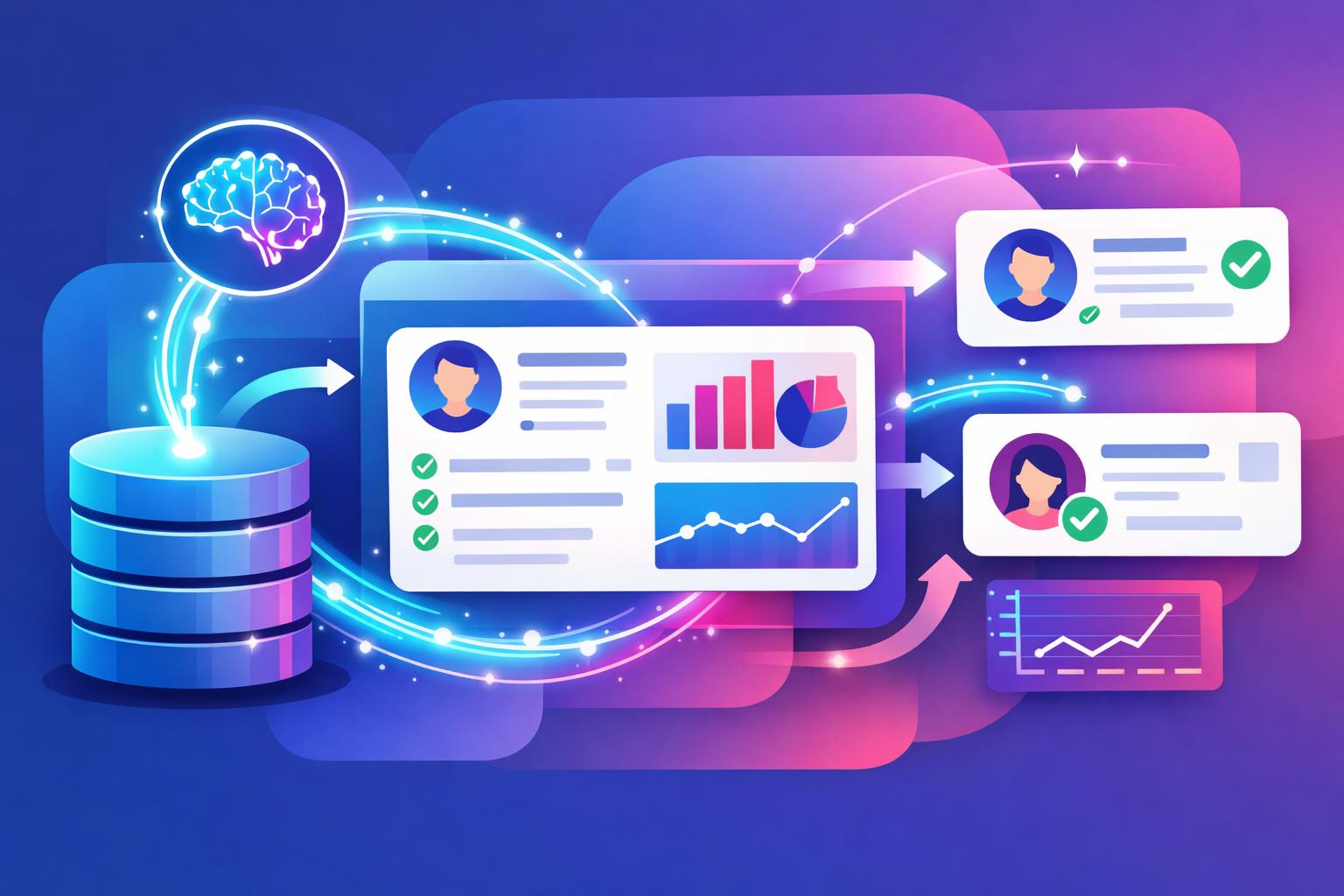
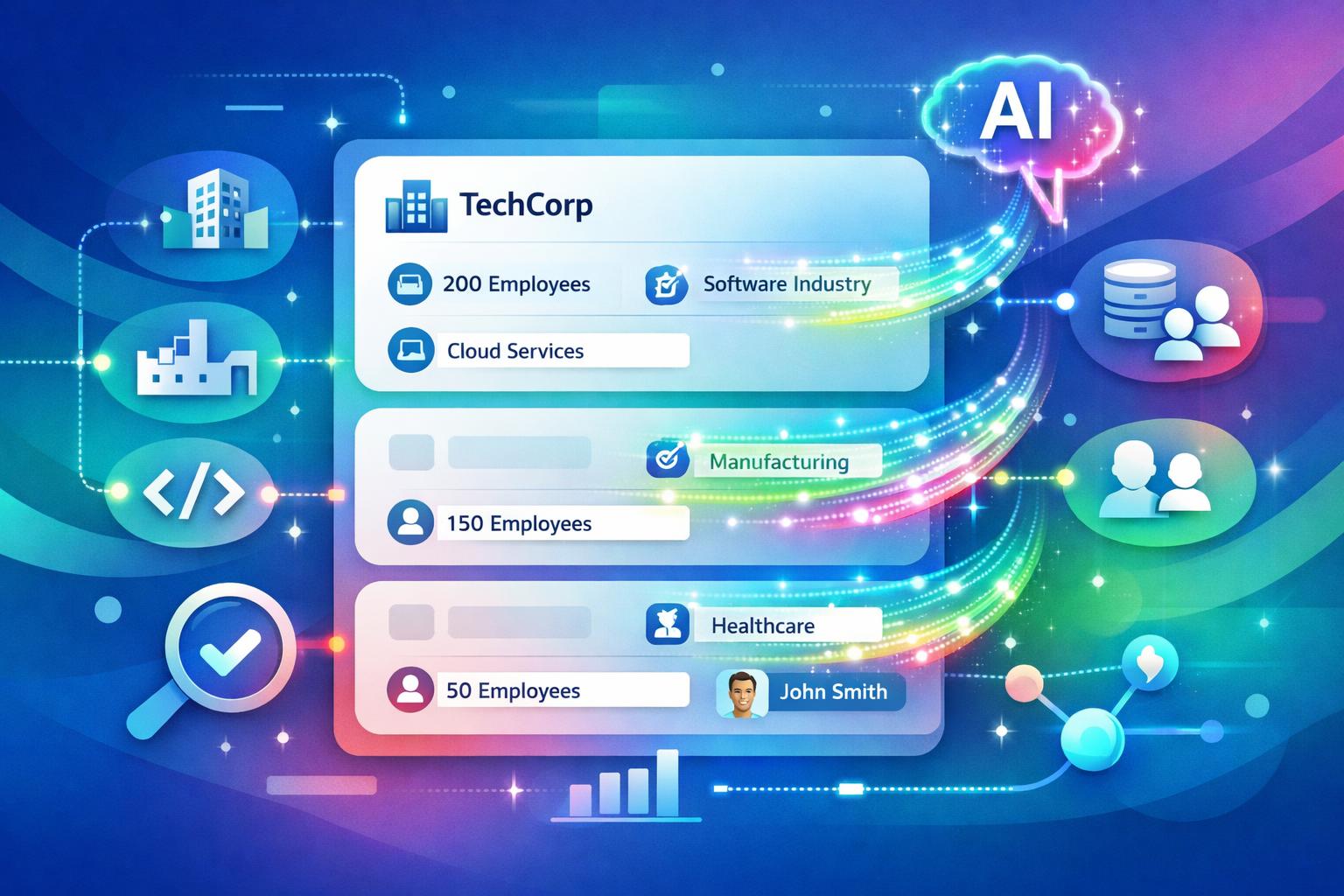
    AI enrichment transforms partial CRM records into complete, trustworthy profiles. Instead of relying on static data providers, modern systems combine retrieval, reasoning, and validation to refresh company data continuously. The process begins by auditing which attributes are incomplete—such as employee size or inconsistent industry tags—so enrichment targets the most useful fields for routing and segmentation.

    Next, the AI gathers signals from web and data sources. Large models extract and standardize company details such as size estimates, revenue bands, or industry mapping. For instance, vague website statements like “fast-growing startup” can be translated into a reliable employee range or industry classification. This reasoning capability replaces manual guesswork with structured, consistent enrichment workflows.

    What truly ensures quality is validation. Each inferred value receives a confidence score, and only high-confidence attributes sync back into your CRM. This protective step prevents downstream errors and maintains reliable data for forecasting, campaigns, and automation. Within MainFoundry’s AI workspace, enrichment runs natively—researched data feeds directly into pipelines and reporting without requiring external syncs.

    “Reliable AI enrichment replaces static third-party lists with continuous, validated company intelligence.”

    Which company fields AI enriches—and why they matter

    Not all data holds equal value. AI enrichment works best on attributes that drive operational decisions. Company size provides critical insight for lead routing and prioritization, while consistent industry categorization improves campaign targeting and reporting. These firmographics give teams the foundation for scalable personalization and segmentation.

    Technographic data, or tech stack signals, offer direct visibility into what tools prospects already use. AI can automatically identify products through job postings, integration pages, or site code, enabling targeted messaging. Similarly, enrichment of funding stages gives sales insight into timing and company maturity by analyzing investment disclosures or news patterns. Even key contacts benefit—AI reveals decision-makers and roles, helping teams understand buying committees faster, though this data always requires higher validation standards.

    AI turns fragmented company data into a reliable, structured profile ready for action across your CRM workflows.

    Once enriched, the data must connect with daily operations. Sales teams use it for routing and personalization, marketing for better segmentation and analytics, and finance for forecasting. In MainFoundry marketing analytics, consistent enrichment ensures clean attribution across campaigns. Because AI keeps refreshing your CRM, the system remains accurate even as companies evolve—avoiding periodic manual cleanups.

    Key Takeaways

    • AI enrichment fills critical CRM gaps such as size, industry, tech stack, funding, and key contacts without manual research.
    • Reliable enrichment depends on structured workflows that combine research, normalization, confidence scoring, and controlled write-back.
    • Unified CRM platforms like MainFoundry make enriched data immediately usable across every team.
    • Continuous refresh keeps company records accurate as organizations grow and adapt.
    • Begin by identifying which CRM fields drive daily decisions and explore AI-driven enrichment integrated into your workflows.

    Related Reading

    Discover more on smart data automation in our guide to AI-powered CRM for companies and contacts.

  • AI for SaaS Sales Teams Practical CRM Wins

    AI for SaaS Sales Teams Practical CRM Wins

    Small SaaS sales teams constantly face the challenge of doing more with less—fewer reps, smaller budgets, and increasingly complex buying cycles. As a result, AI for SaaS sales teams has evolved from an experimental trend into a powerful practical advantage. When applied strategically, AI streamlines research, outreach, deal tracking, and prioritization without adding headcount or tool clutter. This post explores how small teams are already winning with AI in four key workflows and why unified data is the foundation that makes it all work.

    Why AI Works for Small SaaS Sales Teams

    For most small teams, the biggest challenge isn’t ambition—it’s time and context. Sales reps balance prospecting, follow‑ups, demos, and CRM updates across scattered tools, leaving valuable insights buried in emails and call notes. Modern AI tools bring those fragments together and transform them into research summaries, message drafts, and timely recommendations.

    By absorbing data from emails, meetings, and public sources, AI converts noise into meaningful context. This doesn’t just automate manual work—it creates leverage. Reps can move faster on qualified leads, improve personalization, and manage a larger pipeline without losing quality. Yet, these advantages only emerge when AI is powered by connected, high‑quality data. Standalone tools often yield generic insights, while unified systems like MainFoundry’s unified CRM platform provide the foundation AI needs to deliver truly useful outputs.

    “Sales AI only drives real results when it has consistent, enriched data to work with—disconnected apps rarely deliver that edge.”

    Practical AI Workflows That Save Hours

    The best AI setups for SaaS teams don’t look like futuristic features—they feel like better defaults inside daily workflows. When integrated with CRM data and communication history, these automations blend seamlessly into existing sales processes. Four use cases stand out: automated research, AI‑assisted email drafts, deal summarization, and next‑best‑action prompts.

    With automated research, reps open an account record and instantly see company overviews enriched with firmographics, recent funding, or hiring signals. Instead of toggling between LinkedIn, databases, and spreadsheets, AI‑powered enrichment—like that built into MainFoundry’s CRM workspace—makes research continuous and embedded, not another step to remember.

    Next, AI email drafting addresses the blank‑page problem. Drafts for outbound, follow‑up, or recap messages can be generated automatically and tailored with contextual details like buyer role, product interest, and past interactions. The rep stays in control by reviewing and refining, but time‑to‑first‑send drops dramatically while personalization improves.

    As deal volume grows, automated summaries become a quiet productivity boost. Instead of scrolling through transcripts or old emails, AI creates concise briefs capturing stage, stakeholders, needs, objections, and next steps. For managers, this improves pipeline visibility. For reps, it means instant recall and less manual admin, especially when notes, calls, and emails are already unified inside a single platform.

    Finally, next‑best‑action recommendations close the loop. Instead of manually prioritizing their to‑do list, reps receive signals like “follow up with this stakeholder” or “check in on this quiet deal.” The difference is precision—these prompts are grounded in real engagement data, usage trends, and billing cycles drawn from connected CRM and financial systems. MainFoundry’s combined CRM and analytics layer enables this level of accuracy by joining communication and product data under one roof.

    Pro Tip: Start small. Connect your CRM, email, and call tools first, then pilot one AI‑driven workflow—such as automated research plus AI email drafts—before scaling across the team.

    Key Takeaways

    • AI for SaaS sales teams is most impactful when embedded into existing workflows, not added as another tool.
    • Automated research, contextual email drafting, and dynamic deal summaries remove manual effort while improving accuracy.
    • Next‑best‑action prompts help reps prioritize intelligently, but only when CRM and communication data are unified.
    • The goal isn’t replacing reps—it’s giving them context, clarity, and more time for meaningful conversations.
    • Platforms like MainFoundry integrate CRM data, call intelligence, and AI into one workspace built for lean SaaS teams.

    Related Reading

    Explore how to maximize CRM visibility with unified AI workflows in our deeper dive on MainFoundry’s integrated platform.

  • AI for SaaS Sales Teams That Saves Time in Your CRM

    AI for SaaS Sales Teams That Saves Time in Your CRM

    Small SaaS sales teams constantly balance growth with limited capacity, often spending more time updating systems than closing deals. The rise of AI for SaaS sales teams is changing that dynamic by removing everyday friction—from research and outreach to pipeline management. This article explores how practical AI applications help reps save time, stay focused, and sell smarter, and why embedding AI directly in your CRM and workflows delivers the greatest impact.

    How AI Removes Daily Friction for SaaS Sales Teams

    The biggest wins with AI don’t come from sweeping automation—they come from reducing the manual effort that slows teams down. Instead of jumping between tools, reps can rely on AI to handle repetitive tasks like research, enrichment, and follow-ups, freeing more time for meaningful conversations. For instance, automated research can combine firmographic data, industry insights, and fit indicators to help identify high-potential accounts faster.

    Inside a unified CRM such as MainFoundry’s CRM and contact management system, that enrichment seamlessly connects with contacts, activity history, and other records in one view. This integrated foundation allows AI to deliver more precise insights and tailored outputs without the context gaps that standalone tools often create.

    Beyond enrichment, email drafting makes a significant difference for teams managing multiple deal stages. AI can suggest personalized first drafts based on prospect role, industry, or previous engagement. Instead of rigid templates, these drafts act as intelligent starting points, helping reps maintain tone and relevance while keeping control over the final send.

    “AI shines when it cuts down on the friction that keeps reps from selling—the tedious context gathering, drafting, and updating that eats up hours each week.”

    After calls, features like transcription and summarization bring structure to what used to be scattered notes. AI captures key takeaways, follow-up items, and deal signals directly into the CRM. Pairing this with call intelligence or real-time recording features turns every conversation into actionable insights shared across the team—without the admin burden.

    Finally, AI can analyze engagement and deal activity to guide prioritization. In busy pipelines, it highlights which opportunities deserve immediate attention and which can wait. These recommendations help reps focus their time on high-value tasks while keeping judgment in the driver’s seat.

    Why Embedded AI Works Best Within CRM and Workflows

    Many small SaaS teams adopt AI tools in isolation—email assistants here, enrichment extensions there—but disconnected data leads to generic output. The most effective implementations give AI access to real CRM and marketing data, allowing it to generate smarter recommendations and richer summaries. Context, in other words, is the multiplier that turns AI into genuine leverage.

    Platforms like MainFoundry integrate AI-powered assistance and insights throughout CRM records, marketing touchpoints, and custom workspaces. This allows reps to request summaries or recommendations tied to real account history, instead of generic scripts. The assistant draws on connected information ranging from emails and meetings to campaign engagement—all accessible within one view.

    The combination of assistant features and data enrichment ensures both speed and precision. Enrichment improves the data; assistance turns that data into useful actions. Embedding both in daily workflows eliminates the need for tool-switching and keeps employees focused on customers rather than administration. Through flexible custom workspaces, AI can adapt to how your sales team actually sells—from pipeline stages to notes and tasks—all without breaking rhythm.

    Before outreach → Enrich data  
    During outreach → Draft contextual emails  
    After calls → Summarize and update context  
    During prioritization → Recommend next best actions

    Because all of this happens inside a connected environment, insights evolve with each interaction. Marketing activity recorded through campaign and attribution analytics informs sales prioritization automatically. Call summaries and deal updates feed back into CRM timelines, keeping the entire workflow consistent and visible.

    Pro Tip: Treat AI as a junior assistant that prepares your work, not an autopilot. Judgment remains essential—AI simply frees time to apply it where it matters most.

    Security is another critical piece. Since AI draws on sensitive data, trust infrastructure matters. Choosing a platform built on enterprise-grade protection ensures that enriched insights and automated recommendations stay safe, enabling broader adoption across growing SaaS organizations.

    Key Takeaways and Next Steps

    When AI focuses on reducing repetitive tasks—enrichment, drafting, summarization, and prioritization—small SaaS sales teams multiply output without losing human insight. The real efficiency gains appear when AI is embedded in CRM systems and supported by strong data enrichment, not added as disconnected tools. Identify where your reps lose the most time today, and start integrating AI where it can relieve those bottlenecks.

    • Focus AI usage on repetitive, low-value tasks first.
    • Embed AI within your CRM for real contextual performance.
    • Combine enrichment with assistance to boost precision and usability.
    • Maintain strict data security standards to enable responsible automation.
    • Start with clear workflow bottlenecks before scaling across the pipeline.

    Related Reading

    Explore how unified CRM architecture enhances sales efficiency in MainFoundry’s CRM and contact management system.

  • AI-Powered Lead Scoring for Faster SaaS Growth

    AI-Powered Lead Scoring for Faster SaaS Growth

    If you lead growth, sales, or RevOps in a SaaS company, you already know how unreliable traditional lead scoring can be. Rules-based models struggle to interpret real buyer intent, creating misalignment between marketing and sales. By contrast, AI-powered lead scoring learns from your historical data to predict which leads are most likely to convert and continuously improves over time. In this post, you’ll learn how AI transforms lead scoring, how SaaS teams operationalize it with unified data platforms like MainFoundry, and the key business outcomes you can expect from adopting it.

    How AI-powered lead scoring modernizes SaaS revenue teams

    SaaS buying journeys are rarely straightforward. Prospects explore pricing pages, revisit product documentation, and trial features before ever entering the sales funnel. Traditional rule-based scoring models assign fixed points to actions without context, leading to missed signals and poor prioritization. AI-powered models solve this by studying past outcomes across thousands of leads to find the unique combinations of actions, attributes, and engagement patterns that predict conversions.

    Unlike static systems, these models evolve as new data arrives. That means sales and marketing no longer rely on guesswork—AI highlights patterns tied to wins, surfacing accounts that resemble your best customers. The result is tighter focus, faster follow-up, and better use of every marketing dollar.

    “AI-powered lead scoring turns behavioral noise into clarity—helping SaaS teams spot buying intent the moment it appears.”

    Behavioral signals such as pricing page visits, free trial activations, or product usage milestones carry important intent data. Firmographics—like company size, industry, and location—determine fit. And when combined with engagement signals like event attendance or email replies, AI can continuously adjust scores to reflect real-time interest. You can explore how this unified data approach comes together in the CRM and contact management system from MainFoundry.

    Turning AI-powered scoring into action with MainFoundry

    The effectiveness of lead scoring depends on execution. Platforms like MainFoundry bring CRM, marketing, and product data into one environment, ensuring every team works from the same insights. This unified data foundation supports accurate predictions and transparent scoring logic that sales teams can trust. Automatic enrichment and a complete activity timeline mean AI models always train on the most complete view of your customer journey.

    Once data is connected, the system trains models on historical wins and losses—learning which traits truly drive conversions. As deals progress, the AI refines continuously, replacing outdated manual rules with an adaptive, revenue-aligned model. You can learn more about this approach through the AI-powered business platform overview.

    Real-time scoring connects directly to workflows. When a high-scoring lead visits your pricing page or books a meeting, MainFoundry can trigger alerts, create rep tasks, or initiate nurturing sequences through marketing automation. This ensures leads never go cold due to manual delays. Flexible workspaces allow teams to adapt scoring to different motions—whether product-led, outbound, or hybrid—linking all insights back to a shared operational system at custom operational workspaces.

    Pro Tip: Connect your scoring results directly to task assignments. The faster your team acts on AI insights, the greater your conversion lift.

    Key Takeaways

    • AI-powered lead scoring replaces rigid point systems with predictive modeling based on real outcomes.
    • Unified data across CRM, marketing, and product sources drives more accurate and trustworthy scores.
    • Real-time updates enable immediate action, aligning sales and marketing around shared priorities.
    • Continuous learning ensures the model evolves with your market, product, and customer base.
    • Platforms like MainFoundry help operationalize AI scoring for measurable growth and better execution.

    Related Reading

    For practical guidance on CRM integration, explore how unified CRM data enhances AI scoring accuracy.

    Ready to put this into practice? Visit MainFoundry.com or reach out directly at MainFoundry Contact to learn how AI-driven lead scoring can help your SaaS teams focus on the deals that truly matter.

  • AI Data Enrichment for CRM That Improves Deal Quality

    AI Data Enrichment for CRM That Improves Deal Quality

    If your CRM feels unreliable or cluttered, you’re not alone. Manual cleanup takes time and rarely stays accurate for long. AI data enrichment for CRM solves this by automatically keeping your system clean, accurate, and up-to-date—without requiring hours of human intervention. This post explores how smarter data enrichment transforms CRM quality, streamlines sales and marketing operations, and helps you close more deals through tools like MainFoundry’s AI integrations that connect reasoning and real-time data retrieval directly into your workflows.

    How AI Data Enrichment Transforms CRM Systems

    Legacy enrichment tools depend on rigid lookups that crumble when data isn’t pristine. In contrast, AI-driven enrichment understands language patterns and context, letting your CRM infer missing details even from partial inputs. When only a company domain or partial name is entered, AI identifies probable attributes—industry, size, and location—by analyzing public data, corporate structures, and contextual signals. This dramatically accelerates account creation and enforces consistency across your CRM ecosystem.

    At the contact level, AI normalizes titles and predicts seniority, ensuring that every entry maps to a clear persona. Instead of multiple variations of “VP Sales,” you get one standardized record that improves targeting and segmentation in marketing. The system also monitors for changes in employment or roles, notifying you before leads slip through the cracks. Accurate contacts mean better outreach and more productive pipeline stages.

    Beyond filling blanks, AI continuously observes external triggers—funding rounds, leadership changes, or domain shifts—to update records automatically. It turns your CRM from a static repository into a self-refreshing network of revenue intelligence. By automating this freshness, teams maintain data credibility that strengthens forecasts and conversion strategies.

    “AI enrichment turns your CRM from a passive data store into an active system of continuous intelligence.”

    Inside MainFoundry’s AI and Real-Time Enrichment Engine

    Modern enrichment relies on a combination of reasoning and retrieval. In MainFoundry, this takes the shape of an AI orchestration layer linking CRM data, large language models, and real-time research tools. The result is enriched context delivered directly into your day-to-day workflows without exporting or reformatting data.

    OpenAI-style models excel at interpreting unstructured input. They convert free-text notes, job descriptions, or website copy into clean, categorized CRM fields. They also classify roles and summarize external content to produce context-rich records. Meanwhile, Perplexity-style retrieval models verify and refresh those insights by scanning reliable web sources and recent business updates. Instead of overwriting fields blindly, teams see suggested changes with confidence scores and provenance before approval.

    Governance controls ensure enrichment remains trustworthy, with features like version history, defined confidence thresholds, and human reviews for sensitive attributes. Because this takes place inside a unified CRM platform, the improvements instantly ripple across connected functions such as marketing analytics and custom workspaces.

    Pro Tip: Use enrichment confidence thresholds to balance automation speed with data reliability—especially on executive titles, revenue, or company hierarchy fields.

    You might see this play out as an account being enriched upon creation, a rep receiving live updates right before a call, or background jobs quietly refreshing key fields each night. Each workflow contributes to cleaner data and faster routes to revenue.

    Key Takeaways

    • AI data enrichment for CRM eliminates manual cleanup by continuously maintaining accurate and current business data.
    • Auto-filled company and contact insights improve segmentation, personalization, and lead routing efficiency.
    • Combining reasoning engines with real-time data retrieval builds richer, more verifiable records.
    • Platforms like MainFoundry embed enrichment directly within core workflows—turning CRM data into a proactive growth engine.
    • Explore an AI-powered business platform that treats data maintenance as an ongoing process, not a one-time cleanup.

    Related Reading

    Discover more about practical AI integrations in business systems at MainFoundry or start a conversation with their team at MainFoundry Contact.

  • Expense Tracking for SaaS Startups That Stays Clean

    Expense Tracking for SaaS Startups That Stays Clean

    Managing cash is one of the hardest parts of building a SaaS company, especially when you’re bootstrapped or just getting started. Learning how to track expenses for SaaS startups is less about accounting theory and more about maintaining control over your burn rate, making smarter cost decisions, and being ready for investor diligence. This post covers what to track, how to categorize spend cleanly, and how to monitor burn while staying investor-ready—all without losing focus on product or customers.

    How to Track and Categorize SaaS Expenses Effectively

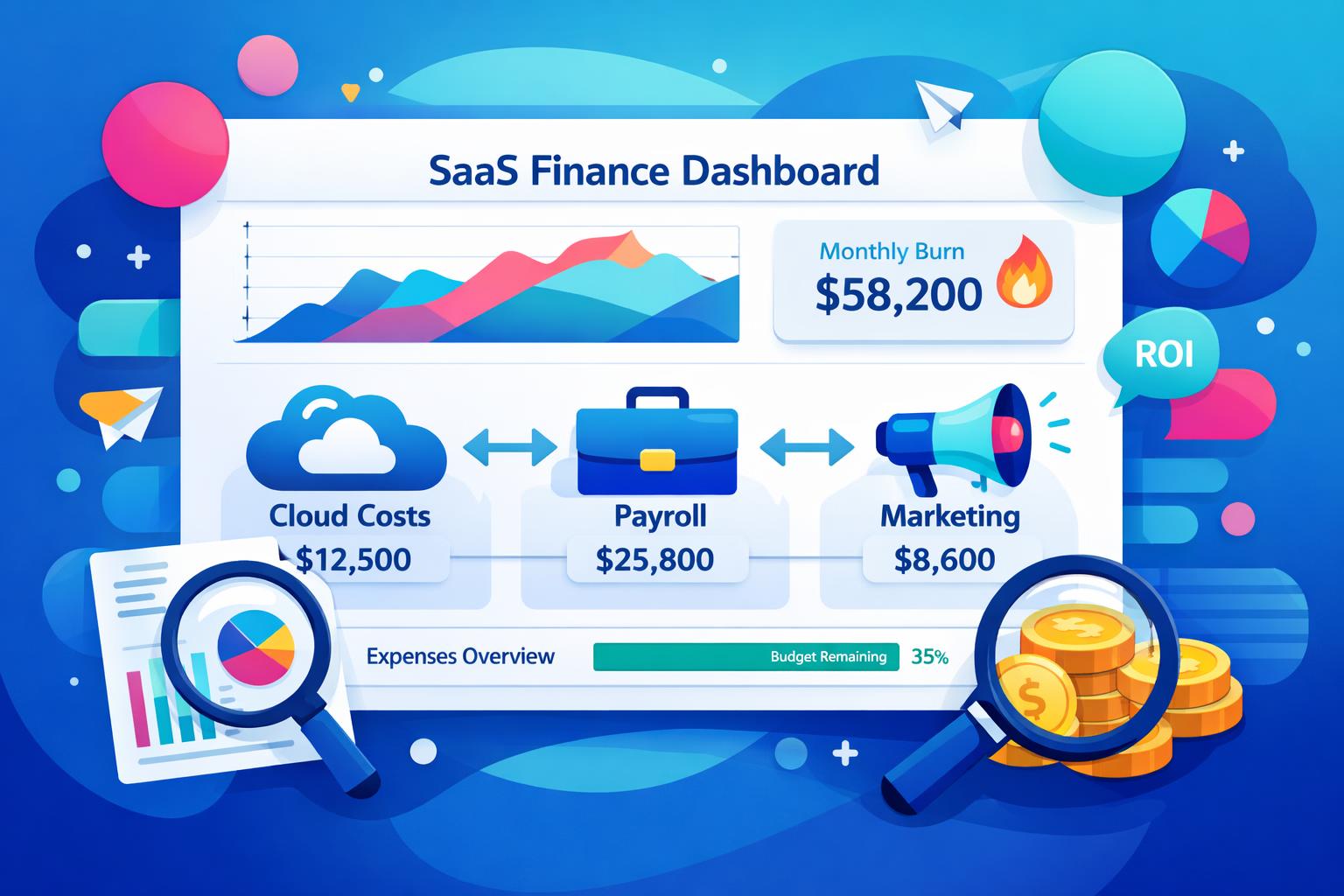
    In early-stage SaaS companies, expense tracking should emphasize coverage and clarity over precision. Every dollar leaving the company should be captured, explained, and easy to review later. This includes recurring subscriptions and the inevitable one-off charges that slip through the cracks if not centralized. Without this foundation, burn calculations become guesswork.

    A solid SaaS expense system goes beyond tracking card transactions—it ties expenses to their business function. Think about core categories such as cloud infrastructure, payroll, contractor payments, sales and marketing, and general overhead. Spreadsheets and emails won’t cut it for long. Consolidating all this data in one modern finance platform helps eliminate blind spots and prepare for scrutiny later. Tools that unify finance management across billing, expenses, and revenue make this process seamless.

    Start with functional groupings rather than dozens of specific accounts. For most SaaS startups, a streamlined chart of accounts—like the one below—keeps things manageable:

    • Cost of Revenue — hosting, infrastructure, and customer support tools that keep your product running
    • Research & Development — engineering payroll, contractors, and product development costs
    • Sales & Marketing — sales compensation, paid acquisition, advertising software, and events
    • General & Administrative — accounting, legal, payroll, and compliance costs

    Keeping this structure simple ensures expenses align with metrics that actually matter, like margins and burn. For instance, maintaining visibility over fixed versus variable costs helps predict how growth or churn might affect runway. In MainFoundry, expenses exist alongside billing, invoices, and revenue, connecting financial decisions directly to business outcomes.

    Monitoring Burn and Staying Investor-Ready

    Expense tracking only adds value when reviewed regularly. Monthly burn reviews balance speed with control. They start with reconciliation—verifying your bank transactions match what’s recorded—and move to separating recurring from one-time costs. Without these steps, numbers quickly lose credibility.

    Watch for creeping software and cloud costs. These often increase due to seat expansions, usage-based pricing, or forgotten tools. Reviewing invoices against actual usage each quarter can recover meaningful cash without process fatigue. Expense reports should highlight trends instead of static totals. For example, tracking whether infrastructure spend is growing faster than revenue can highlight margin pressure early.

    “Clean, consistent expense data not only keeps you operationally sharp—it builds trust with investors and acquirers.”

    Good expense hygiene simplifies diligence. Every expense should have documentation, clear business reasoning, and a consistent reimbursement policy. Subscription renewals and vendor relationships must be reconstructable to show obligations transparently. Modern tools, instead of spreadsheets, help turn financial records into a trustworthy system of record—especially when connected with CRM or contract data. Platforms like MainFoundry achieve this by keeping financial operations unified in one workspace.

    Key Takeaways

    • Track everything—both recurring and one-off transactions—and centralize data in a single system rather than spreadsheets.
    • Keep categories functional so reports reflect how money supports your business rather than accounting minutiae.
    • Review burn monthly, distinguishing between recurring and exceptional costs to identify spending trends early.
    • Make diligence readiness ongoing by documenting every expense and connecting finance tools across all operations.

    Understanding how to track expenses for SaaS startups isn’t about adding bureaucracy—it’s about creating clarity and confidence. If you’re ready to move beyond fragmented spreadsheets, explore how MainFoundry can unify expense tracking with your CRM and revenue operations in one workspace.

  • e-conomic vs regnskabsværktøjer for SaaS i Danmark

    e-conomic vs regnskabsværktøjer for SaaS i Danmark

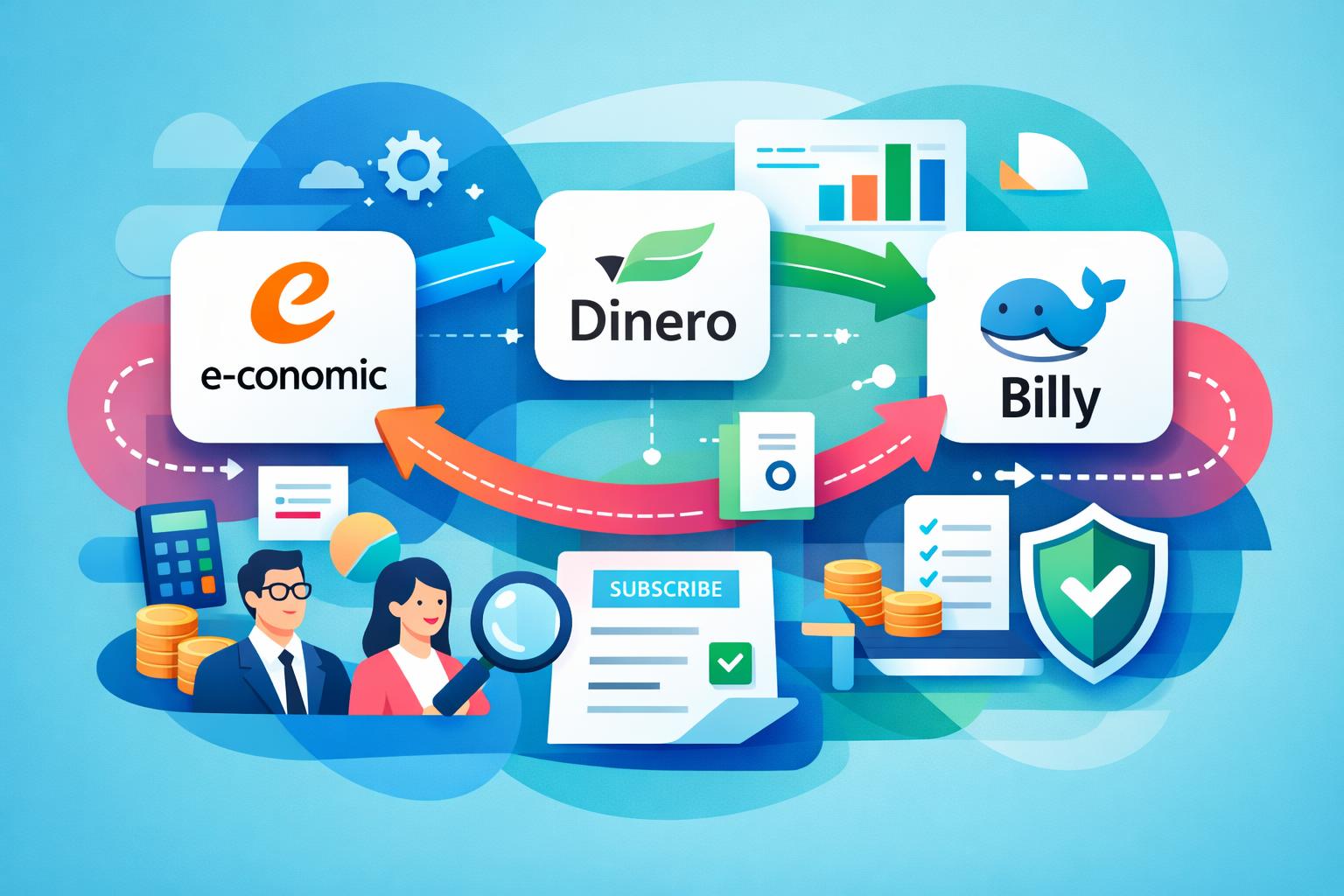
    Danske SaaS‑virksomheder står tidligt over for et vigtigt valg, der kan få langsigtede konsekvenser: hvilket regnskabssystem skal danne fundamentet for økonomistyringen? Diskussionen om e‑conomic vs andre regnskabsværktøjer dukker hurtigt op, især blandt ApS’er og vækstorienterede SaaS‑forretninger. Denne artikel sammenligner e‑conomic med alternativer som Dinero og Billy og giver indsigt i, hvorfor den rigtige løsning handler om mere end pris – det handler om skalerbarhed, revisor‑samarbejde og integrationer, der understøtter en moderne abonnementsforretning.

    Hvorfor e‑conomic er standarden for danske SaaS‑virksomheder

    I Danmark har e‑conomic opnået en nærmest markedsstandardstatus. Systemet bruges af langt størstedelen af landets revisorer, hvilket gør samarbejdet og processerne omkring moms, årsafslutning og digital bogføring markant mere smidige. For SaaS‑forretninger bliver e‑conomic ofte det finansielle “backbone” hvor fakturaer, periodiseringer og dimensioner kan håndteres professionelt, i takt med at virksomheden skalerer.

    Lovgivningen skærper kravene til digital bogføring og dokumentation, og her tilbyder e‑conomic tydelig compliance‑fordel. Det minimerer risikoen for kostbare systemskift senere. For SaaS‑virksomheder betyder det, at det finansielle fundament allerede fra starten understøtter vækst, revisorintegration og strukturerede data, som er essentielle ved due diligence og investorrunder.

    “For en SaaS‑scaleup handler regnskab ikke bare om bogføring, men om at skabe tillid til tallene – fra intern ledelse til eksterne investorer.”

    Sammenligning og integrationer: e‑conomic, Dinero og Billy

    Selvom mange fokuserer på listepris, ligger forskellen mellem e‑conomic, Dinero og Billy i målgruppe og kompleksitet. Dinero henvender sig primært til freelancere og små virksomheder, mens Billy ofte ses i e‑commerce‑miljøer med behov for webshop‑integrationer. For B2B SaaS med ambitioner om vækst dækker disse løsninger sjældent behovet for avanceret finansstyring, dimensioner og revisor‑workflow. Her får e‑conomic et naturligt forspring.

    Prismæssigt kan simpler systemer virke attraktive, men i praksis er det virksomhedens samlede driftsomkostninger – inklusive revisor‑timer og manuelle processer – der afgør ROI. Derfor betaler mange SaaS‑virksomheder gerne mere for e‑conomic, fordi helheden bliver mere effektiv.

    • e‑conomic: Bedst til ApS’er og scaleups med avanceret finans og revisor‑integration.
    • Dinero: Enkelt og brugervenligt, men udfordret ved kompleks vækst.
    • Billy: Stærkt i e‑commerce, men sjældent førstevalg til B2B SaaS‑virksomheder.

    Integrationer betyder ofte mere end funktionaliteten i sig selv. e‑conomic tilbyder et åbent API og et omfattende integrationsøkosystem i Danmark. Det er præcis her, at MainFoundrys native e‑conomic‑integration gør forskellen. I stedet for manuelle eksportfiler kan data flyde automatisk mellem abonnements‑ og regnskabssystemer.

    Pro Tip: Se hvordan abonnements‑ og faktureringsstyring i MainFoundry hjælper med at forbinde MRR, churn og finans i ét samlet flow.

    Resultatet er færre fejl, mindre manuelt arbejde og et setup, revisorer genkender med det samme. Kombinationen af MainFoundry og e‑conomic giver et datagrundlag, hvor hver postering er konsistent med virksomhedens faktiske abonnementsdata – en fordel for CFO’er, bestyrelser og investorer, der ønsker transparens i tallene.

    Konklusion og næste skridt

    Valget mellem e‑conomic vs andre regnskabsværktøjer bør baseres på, hvor virksomheden skal hen – ikke kun hvor den er i dag. For langt de fleste danske SaaS‑scaleups er e‑conomic det mest robuste valg på sigt, især når integrationer og compliance tæller med. Den tætte kobling mellem finans og abonnementer skaber klarhed i rapporteringen og minimerer risikoen ved vækst.

    • e‑conomic tilbyder skalerbarhed og revisor‑understøttelse, som en voksende SaaS kræver.
    • MainFoundrys native integration reducerer fejl og automatiserer finansprocesser.
    • Samlet platform gør det nemmere at forbinde CRM, MRR og økonomi i ét flow.
    • Compliance‑fordelen beskytter virksomheden mod systemskift og datarisik.

    Relateret læsning

    Læs mere om MainFoundry eller tag kontakt via kontaktformularen for at se, hvordan jeres SaaS‑setup kan styrkes med en e‑conomic‑integration.

  • Expense Management SaaS Guide for SaaS Finance Teams

    Expense Management SaaS Guide for SaaS Finance Teams

    In fast-scaling SaaS companies, expenses shape how investors measure efficiency and how leaders steer growth. Because costs typically surge before revenue stabilizes, even small misclassifications can distort margins, burn rate, and cash flow forecasts. This guide breaks down how to manage expenses strategically—covering accurate cost classification, burn and runway tracking, budgeting discipline, and audit readiness. You’ll also see how a centralized platform like MainFoundry turns these processes into a synchronized financial engine.

    Why Expense Management SaaS Matters for Modern Companies

    SaaS companies follow a different financial rhythm. Product development, infrastructure, and customer acquisition investments occur well before recurring revenue stabilizes. That lag makes expense visibility essential from the earliest growth stages. Investors especially scrutinize burn efficiency and gross margin, so accurate categorization shapes credibility as much as accounting accuracy.

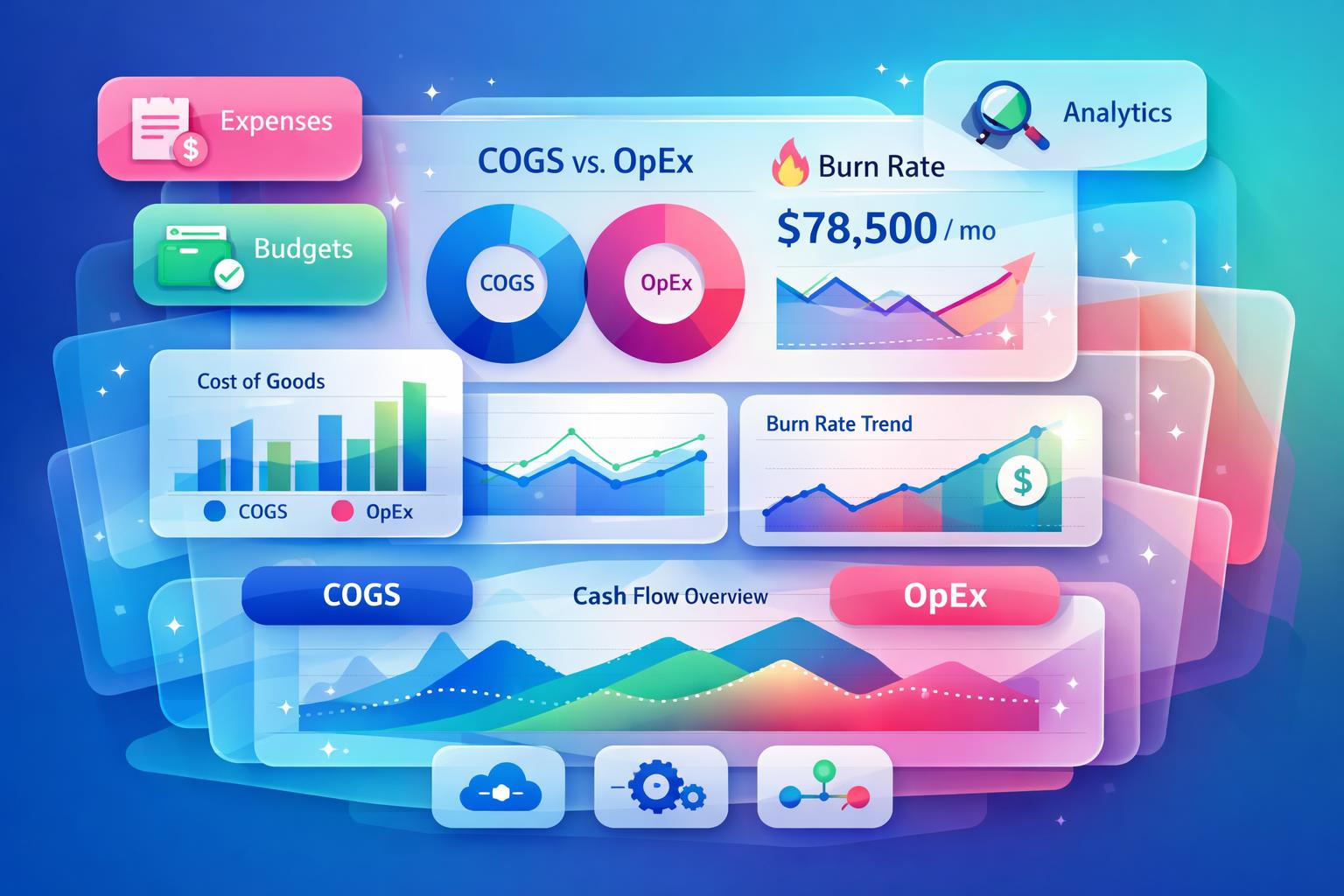
    A sound approach begins with precise cost classification. Knowing which expenses belong in Cost of Goods Sold (COGS) versus Operating Expenses (OpEx) directly impacts reported margins. Hosting, infrastructure, and customer support tied to active users fall under COGS since they scale with service delivery. Sales, marketing, and R&D are OpEx because they fuel growth rather than delivery.

    Maintaining this consistency gets tougher as headcount grows and roles blend across functions. That’s where systems like MainFoundry’s subscription and billing management tools help by embedding categorization logic directly into every expense workflow. These tools align cost centers, enforce approval flows, and ensure clarity across teams.

    Another crucial factor is burn rate. Gross burn shows total outflows; net burn subtracts monthly revenue to reveal actual cash loss. SaaS leaders depend on these metrics to decide when to adjust hiring or marketing spend. Effective expense management software distinguishes cash timing from accrual data, helping teams spot risks before runway shortens.

    Budgets connect every level—from COGS and R&D to Sales and G&A—into unified spending plans. When expense tracking platforms offer real-time budget visibility, teams can correct course instantly instead of reacting weeks later. Meanwhile, a centralized repository combines receipts, approvals, and audit trails that make diligence processes smoother and faster.

    “Expense visibility is not merely about cost tracking—it’s the foundation of financial trust and strategic agility.”

    How Expense Management SaaS Handles COGS, OpEx, Burn, and Budgets

    Accurate expense categorization remains the cornerstone of reliable reporting. COGS covers direct service delivery costs—such as cloud infrastructure, production DevOps, and customer support without sales responsibilities. When these costs rise faster than recurring revenue, gross margin erodes, and leaders must act fast to sustain efficiency.

    OpEx supports ongoing operations—think R&D, sales salaries, legal fees, and general administration. While COGS reflects scalability, OpEx signals long-term investment. Misclassifying these lines can mislead stakeholders, which is why documentation and enforcement matter so much. For instance, customer success might belong to COGS if responsible for retention, or OpEx if driving upsells.

    MainFoundry’s Expenses module empowers finance teams to formalize these boundaries through custom mapping and approval workflows. Rules specify which vendors and departments align with each cost category, ensuring every transaction adheres to company policy.

    Example: AWS invoices → auto-tagged as COGS
    Salesforce license → auto-tagged as Sales OpEx

    Because costs are categorized by department, timing, and cash flow, finance leaders can analyze burn composition and model scenarios quickly. Whether adjusting hiring or renegotiating contracts, transparent expense data supports evidence-based decisions. Integrated with secure financial data management practices and adaptable flexible workspaces, these insights remain reliable even as systems evolve.

    Unified expense systems transform raw transaction data into dynamic forecasts that guide better strategic decisions.

    Key Takeaways

    • A robust expense management SaaS system integrates cost classification, burn analysis, budgeting, and audit control into one workflow.
    • Consistent COGS vs. OpEx rules safeguard margin accuracy and enhance investor trust during scaling.
    • Real-time visibility turns raw expense data into early signals for burn and efficiency management.
    • Embedded budgets empower teams to stay accountable before overspending occurs.
    • Centralized records and automated approvals keep finance teams audit-ready year-round.

    To explore how integrated expense management can strengthen your financial operations, visit MainFoundry or connect with the team at MainFoundry Contact.

  • Moms på SaaS i Danmark med OSS og e-conomic

    Moms på SaaS i Danmark med OSS og e-conomic

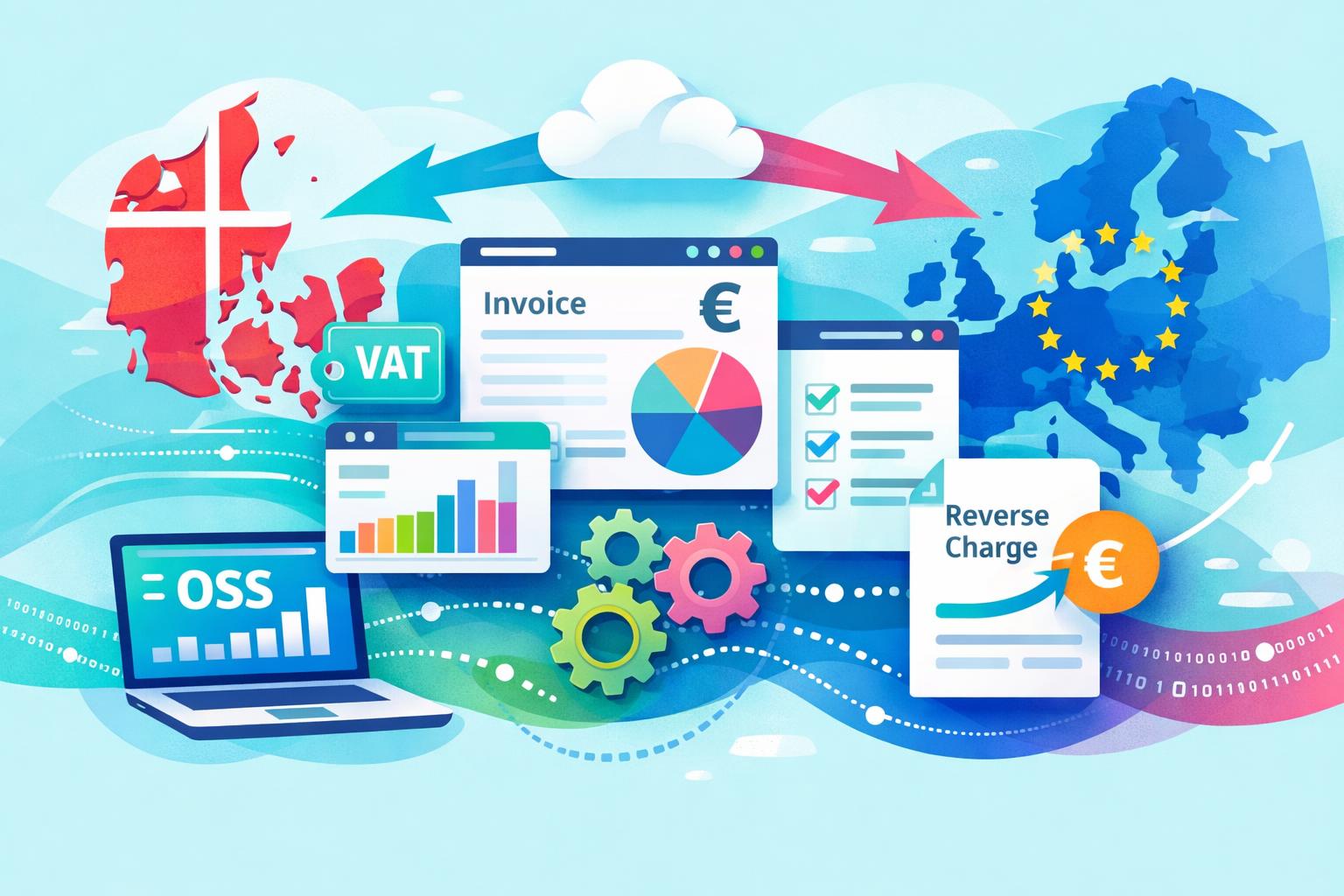
    At håndtere moms på SaaS i Danmark kan hurtigt blive en udfordring for selv erfarne softwareiværksættere. De grundlæggende regler virker simple, men når dine kunder spænder over både danske, europæiske og internationale markeder, bliver virkeligheden langt mere kompleks. Denne praktiske guide giver dig det nødvendige overblik, fra dansk moms og reverse charge til den europæiske OSS-ordning og Automatisering i e-conomic. Ved at forstå, hvordan momsreglerne spiller sammen med din fakturering og kundetype, kan du træffe kloge beslutninger, der både sikrer compliance og effektiv drift.

    Hvordan moms på SaaS håndteres i Danmark

    For danske SaaS-virksomheder starter rejsen med momsregistrering. Når din omsætning overstiger 50.000 kr. årligt, skal du indberette moms via TastSelv Erhverv – månedligt, kvartalsvis eller halvårligt afhængigt af virksomhedens størrelse. Salg til danske kunder er som udgangspunkt simpelt: både privat- og erhvervskunder faktureres med 25 % dansk moms, da leverancen anses for udført i Danmark.

    En korrekt faktura skal indeholde navn, adresse, CVR, kundedata, fakturanummer, ydelsesbeskrivelse, nettopris og momsbeløb. Mange SaaS-virksomheder laver dog fejl, især ved uklare varetekster eller manglende momsangivelse. Fejl her kan skabe problemer ved kontrol, og derfor bør momsoplysninger altid være tydelige og standardiserede i fakturaskabeloner.

    Når du sælger til kunder uden for Danmark, ændrer spillereglerne sig. For en EU-erhvervskunde med gyldigt VAT-nummer anvendes omvendt betalingspligt (reverse charge), hvor kunden selv afregner moms i sit hjemland. Fakturaen udstedes med 0 % moms og skal tydeligt angive reverse charge. For EU-privatkunder gælder en anden model: overskrider din samlede EU-omsætning 10.000 EUR årligt, skal du opkræve lokal moms baseret på kundens land – typisk via OSS-ordningen.

    “OSS gør det muligt at håndtere EU-B2C-moms centralt i Danmark i stedet for at momsregistrere sig i hvert enkelt EU-land.”

    Denne opdeling i momstyper betyder, at dit faktureringssystem skal kunne skelne mellem dansk salg, EU-B2B, EU-B2C og salg uden for EU. Ellers risikerer du forkerte indberetninger eller manglende dokumentation. En fleksibel økonomiløsning som e-conomic hjælper med at automatisere disse forskelle gennem særskilte momskoder og kontoplaner.

    OSS, e-conomic og automatisering af SaaS-moms

    Selvom OSS-ordningen er skabt som et administrativt værktøj, har den strategisk betydning for enhver SaaS-virksomhed. Bruger du OSS, skal din opsætning kunne skelne mellem privat- og erhvervskunder, identificere kundens land og automatisk vælge den rette momssats. Indberetningen sker kvartalsvist i TastSelv Erhverv, og du skal kunne dokumentere salgsgrundlag for hvert EU-land.

    Her spiller økonomisystemet en nøglerolle. Med den rigtige opsætning i e-conomic kan du automatisere hele momshåndteringen – fra kundedata til rapportering. Det indebærer brug af særskilte salgskonti og momskoder til dansk momspligtigt salg, EU-B2B-salg uden moms og EU-B2C-salg via OSS. Land og VAT-nummer bør markeres som obligatoriske felter for at sikre korrekt fakturering og bogføring.

    Pro Tip: Byg logikken ind i dit system i stedet for at håndtere moms manuelt. Automatisering reducerer fejl og frigør tid til din kerneforretning.

    Et godt setup bør automatisk klassificere kundetype, validere VAT-numre, vælge korrekt momsregel, generere den rette fakturatekst og bogføre til de rigtige konti. SaaS-platforme som MainFoundry viser, hvordan dette kan løses i praksis: CRM, abonnementer og fakturering er integreret, så momsbehandlingen følger kundens dataflow uden manuelle processer.

    Når dine datasystemer arbejder sammen, bliver moms en stabil del af driften – ikke en kilde til fejl.

    Det vigtigste at tage med videre

    • SaaS-ydelser er som udgangspunkt momspligtige i Danmark med 25 %, men kundetype og land ændrer behandlingen væsentligt.
    • OSS-ordningen bliver uundgåelig, når din EU-omsætning overstiger 10.000 EUR, og gør det muligt at indberette alt centralt.
    • Automatisering i e-conomic eller lignende systemer minimerer risikoen for manuelle fejl og sikrer løbende compliance.
    • En samlet tilgang til CRM, kundedata og økonomi – som hos MainFoundry – skaber et pålideligt grundlag for korrekt momsbehandling.

    Relateret læsning

    Læs mere om hvordan MainFoundry kan hjælpe med automatiseret fakturahåndtering for SaaS-virksomheder.

  • Moms på SaaS-abonnementer med OSS og reverse charge

    Moms på SaaS-abonnementer med OSS og reverse charge

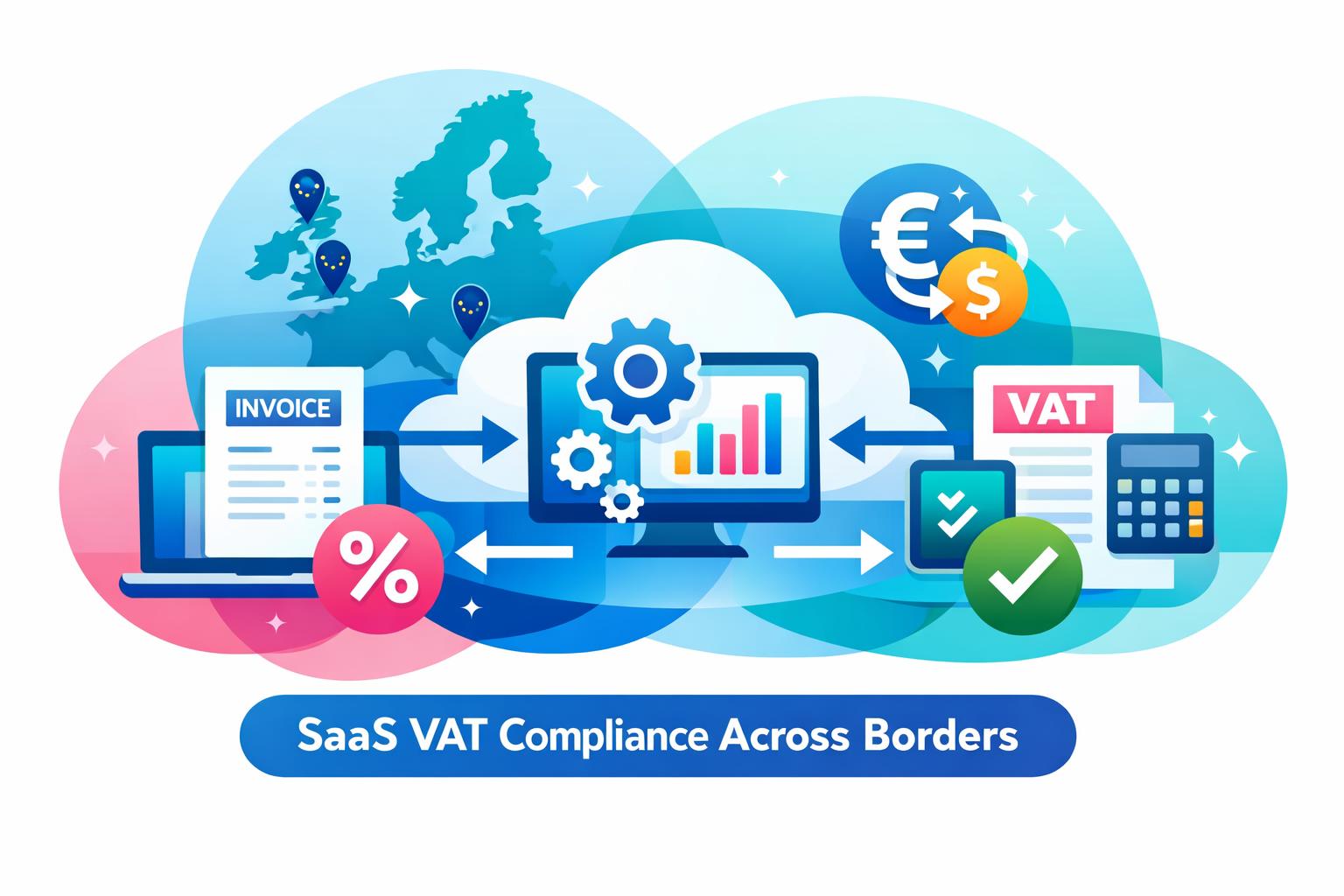
    Moms på SaaS‑abonnementer er et område, hvor mange leverandører oplever usikkerhed, fordi reglerne afhænger af kundetype, land og faktureringsopsætning. Denne artikel giver dig en praksisnær gennemgang af, hvordan moms på SaaS håndteres korrekt i Danmark og EU – inklusive reglerne for reverse charge, OSS‑ordningen og korrekt B2B‑fakturering. Du får indsigt i, hvordan moderne SaaS‑virksomheder kombinerer systemer som MainFoundry og e‑conomic for at sikre automatiseret og compliant fakturering.

    Hvornår er SaaS momspligtigt – og hvor er leveringsstedet?

    En SaaS‑ydelse anses i momslovgivningen som en elektronisk leveret tjenesteydelse. Det betyder, at leveringsstedet – altså hvor momsen skal betales – afhænger af kundens etableringsland og status som virksomhed eller privatperson. Det første spørgsmål er derfor altid, hvem kunden er, og hvor kunden bor. Det afgør, om du skal bruge dansk moms, anvende reverse charge eller opkræve lokal moms via OSS‑ordningen.

    Sælger du SaaS til danske kunder, skal du fakturere med 25 % dansk moms – uanset om kunden er B2B eller B2C. For B2B‑kunder kan momsen fradrages, men for dig som leverandør gælder det som almindelig momspligtig ydelse. Fejlkilden opstår, når kunderne befinder sig i andre EU‑lande, for her ændrer leveringsstedet sig, og dermed også, hvem der skal afregne momsen.

    Ved salg til EU‑virksomheder med gyldigt VAT‑nummer anvendes reverse charge‑princippet. Du fakturerer uden moms, og kunden afregner selv moms i sit hjemland. Overfor EU‑privatkunder skal du derimod opkræve moms med den sats, der gælder i kundens land, og afregne via OSS‑ordningen. For kunder uden for EU anses salget som eksport af ydelser og er som udgangspunkt uden dansk moms. Disse scenarier er kernen i enhver korrekt SaaS‑momsopsætning.

    “Leveringsstedet for SaaS‑ydelser afhænger af kundens placering – ikke leverandørens.”

    Reverse charge, OSS og B2B‑fakturering i praksis

    I praksis betyder reverse charge, at du ikke opkræver moms, men kunden gør det i sit eget land. For at anvende ordningen korrekt skal du verificere kundens VAT‑nummer, angive det på fakturaen og inkludere en tekst, der tydeligt markerer omvendt betalingspligt. Uden disse elementer kan salget blive vurderet som momspligtigt i Danmark, hvilket kan udløse efteropkrævning.

    Også på systemniveau spiller opsætningen en rolle. Hvis du bruger MainFoundrys fakturering i integration med e‑conomic, kan systemet automatisk vælge den rette momskode baseret på kundedata. Dermed sendes salget til de korrekte konti i regnskabet, uanset om der er tale om dansk moms, EU‑salg uden moms eller eksport.

    Kan din EU‑kunde ikke oplyse et gyldigt VAT‑nummer, behandles kunden som B2C, også selvom der reelt er tale om en virksomhed. I så fald skal du anvende moms via OSS, hvor du indberetter al EU‑B2C‑moms samlet hos Skattestyrelsen. Denne løsning reducerer kompleksitet, men kræver, at du dokumenterer korrekt momssats pr. kunde.

    Når du sælger til lande uden for EU, skal du normalt ikke opkræve moms, hverken ved B2B eller B2C. Fakturaen udstedes uden moms, og salget behandles som eksport. Med andre ord: Danmark forbliver leveringsstedet kun, hvis kunden er dansk – ellers følger momspligten kunden.

    • Dansk B2B‑kunde: 25 % dansk moms
    • EU B2B‑kunde med gyldigt VAT‑nr.: 0 % moms, reverse charge
    • Kunde uden for EU: 0 % moms, eksport af ydelser

    Pro Tip: Sørg for at validere VAT‑numre automatisk i dit system, så du undgår fejlklassificering og forkert momsbehandling.

    Det vigtigste at tage med videre

    Succes med moms på SaaS afhænger af struktur – ikke held. Når du forstår forskellen mellem B2B og B2C, EU og non‑EU, og implementerer reverse charge og OSS korrekt, kan din virksomheds fakturering køre smidigt og compliant. Det handler om systemer, der afspejler reglerne fra start, så du undgår manuelle rettelser og dyre fejl senere.

    Overvej en løsning, hvor CRM, fakturering og bogføring arbejder sammen – eksempelvis med MainFoundrys fakturering integreret til e‑conomic. Det gør det muligt at automatisere momslogikken og bevare overblikket, når din SaaS‑forretning vokser på tværs af grænser. Næste skridt er derfor ikke flere regneark, men et setup, hvor momsen håndteres korrekt hver gang.

    Related Reading

    Læs også Moms på SaaS‑abonnementer: Regler, reverse charge og OSS for en dybere teknisk gennemgang af regler og implementering.